Public Libraries in Korea: Reading Rooms, Borrowing Cards and a Quiet First Visit
Understand reading-room access, borrowing membership and reserved seats at Korean public libraries, with a carefully scoped Seoul Library example.
A public library can be a useful place to read, learn about a neighborhood or spend a quiet hour between appointments. The first question is what you want to use. Walking in to look at a book is different from taking it home, reserving a study desk or signing into an e-book service.
Start with one modest visit rather than planning a full working day around an unconfirmed seat. You can learn the building's layout and ask about the service that interests you without needing to understand every membership rule in advance.
Match the service to the question
| What you want to do | Ask about | Do not assume |
|---|---|---|
| Read on site | Visitor access and the correct room | Every area is open without registration |
| Borrow a book | Eligibility, documents and a library card | A passport alone guarantees borrowing |
| Use a study seat | Reservation or seat-allocation rules | Entry includes a desk all day |
| Use digital resources | Account eligibility and access limits | Every visitor receives online access |
열람만 해도 돼요? — May I just read here? makes a useful opening question. If you want to take a book away, ask 대출하려면 회원가입이 필요해요? — Do I need membership to borrow books? The answer concerns the service, not simply whether the building welcomes visitors.
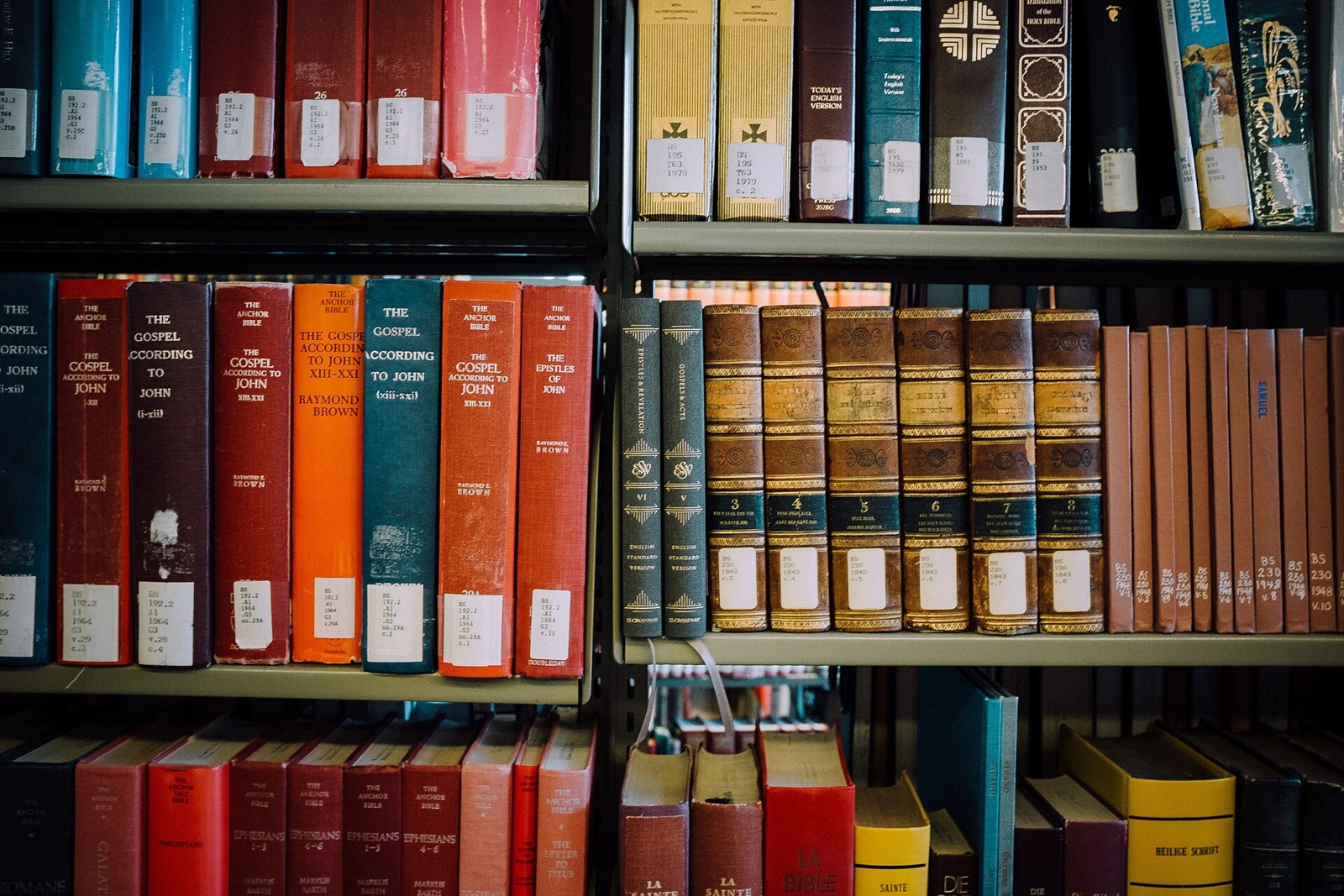
Check the actual library before leaving
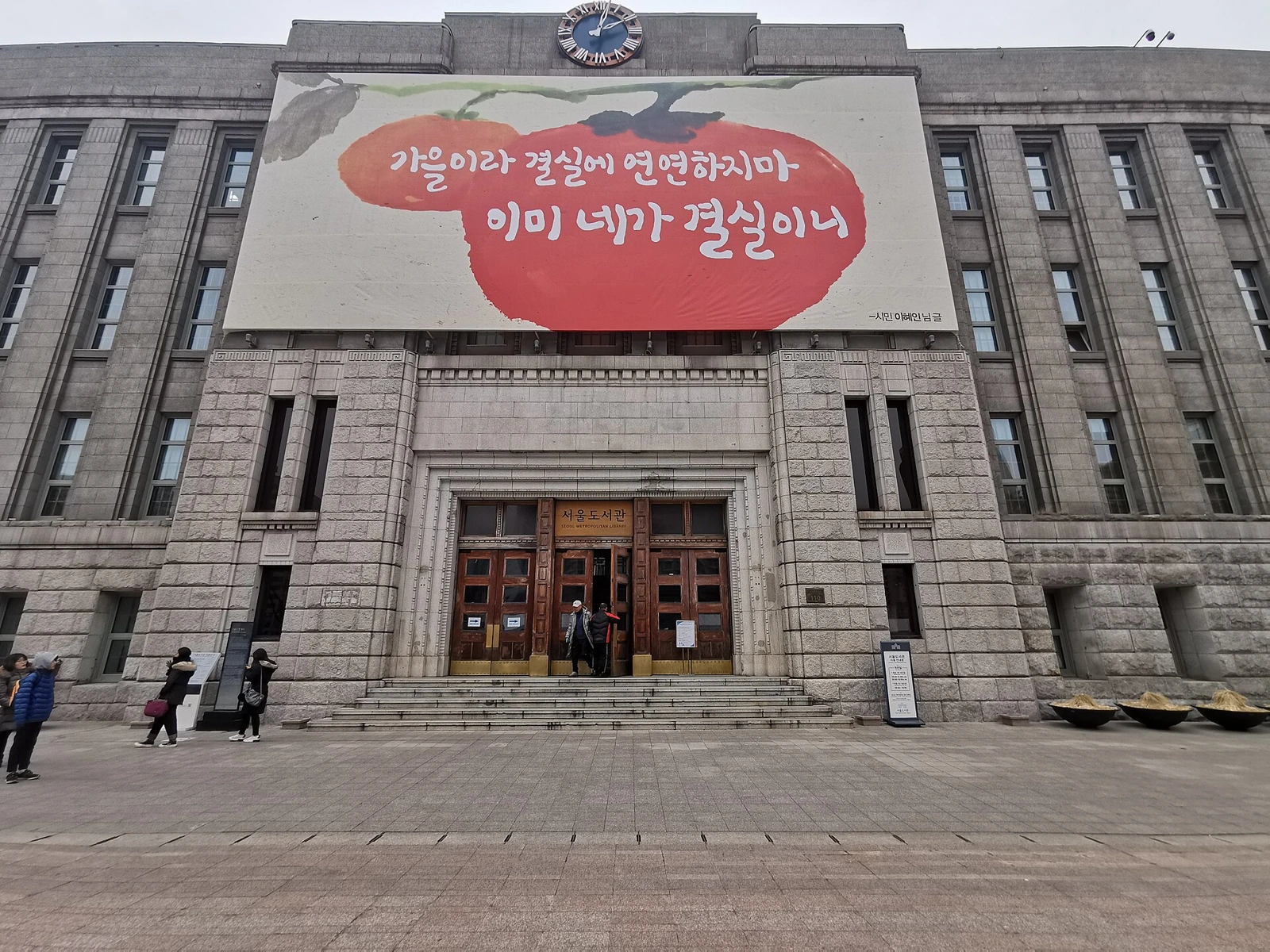
Use the library's official website for opening days, notices and visitor information. Different branches can have different closing days and rooms with different hours. The building photograph in this guide dates from December 2019; it shows the library, not its current opening arrangements.
Check the Korean name and address, especially if a map shows several similarly named branches. The Seoul Metropolitan Library website is a starting point for that particular library. It does not represent all municipal libraries across Korea.
If you are bringing children, looking for books in a particular language or hoping to use a computer, check that service specifically. A general collection description is not a promise that a certain title or workstation will be available when you arrive.
Understand the Seoul borrowing example
In a June 2025 announcement, Seoul Metropolitan Government expanded Seoul Metropolitan Library borrowing from a Seoul-based eligibility rule to citizens and foreign residents in Korea, with online registration. Foreign residents and short-term tourists are not interchangeable categories. Read the current enrollment requirements before assuming you qualify.
This is one institution's policy. A district library or a university library may have a different membership system. Ask which identification or residence information is needed through the library's official channels, and avoid sending documents to an address found only in an unofficial comment.
If you are a new resident, the residence-card guide explains that document in a separate context. Having a card does not by itself complete a library's registration process.
Make the first visit easy to manage
At the entrance, look for an information desk and signs directing readers to the right floor. Ask where you may read before settling into a room that could require a reservation. Keep the first visit short enough that you can adjust your plan if a space is full.
Look at the room's rules for bags, drinks and devices. Use designated eating areas where provided, and take calls outside quiet rooms. Keep headphones quiet enough that the people beside you cannot hear them. If you need a conversation-friendly space, ask rather than trying to make a silent room serve that purpose.
Do not assume power outlets, Wi-Fi access or a bookable desk are included. Our public Wi-Fi guide covers a separate connection question; Wi-Fi, power and computer access are set by each library.
Treat books and shared space considerately
Follow the library's signs about returning books after reading. Some rooms use return carts so that staff can put items back accurately. Ask before re-shelving if you are unsure, especially when you have browsed a collection organized in an unfamiliar way.
Keep photographs focused on the building where photography is permitted. Avoid close-ups of people reading, their screens or their documents. A library is someone's ordinary study or work space, not only a backdrop for a visitor's photos.
Leave with a clear next step
If you want to come back, save the library's actual opening notices and membership page. Before borrowing, understand due dates, returns and any restrictions attached to your account. If you have not registered to borrow, leave books where the library's signs direct.
A good first visit can be as simple as finding a comfortable reading area, learning where a useful collection is and asking one clear question. You can decide about membership after you know which services you will use.
Frequently asked questions
›Can a tourist automatically borrow books in Korea?
No universal entitlement follows from being a visitor. Ask the particular library about eligibility and required registration; on-site reading and borrowing are separate services.
›Must a foreign resident live in Seoul to use Seoul Metropolitan Library loans?
The city’s June 2025 announcement expanded borrowing to foreign residents in Korea through online registration. Check the library’s current enrollment requirements; this is not a policy for every Korean library.
›Does library entry include a reserved study seat or digital books?
Do not assume so. Reading rooms, reserved seats and digital access can have different registration or booking conditions.
Sources and updates
Last edited on November 22, 2026. Sources support the specific details discussed in the guide; check the provider for current prices, availability and eligibility.