Templestay in Korea for First-Timers: How to Book and What to Expect
Choose a Korean templestay programme, check language and room arrangements, prepare for meals and transport, and understand respectful temple etiquette.
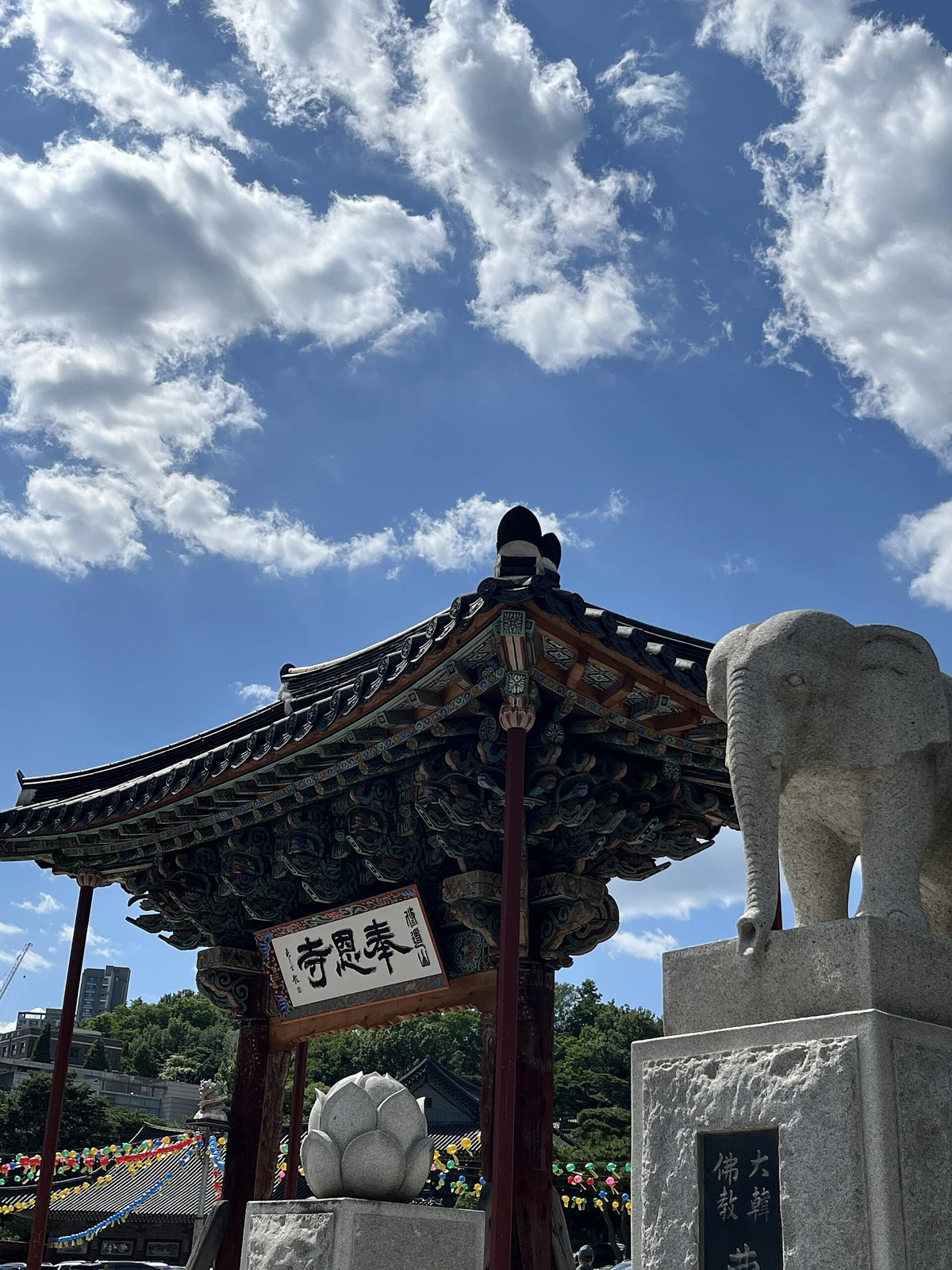
Being a guest at a working temple
Templestays take place at active temples. Programmes are designed for visitors, but the temple's own religious life comes first. That means quiet times, set mealtimes and rules about where you can go and what you can photograph. You join an experience led by the temple and follow its house rules.
The Korea Tourism Organization's templestay introduction explains temple life and cultural activities. For planning, compare relaxation-focused stays, structured experiential stays and shorter day programmes. What each temple offers differs, so read each listing carefully.
How to book
Use the official Templestay portal. Use the English reservation pages and read the specific temple programme details. Before you book, check:
- which programme type it is
- whether English guidance is available on your specific date
- how participation in ceremonies works, if you're unsure what's expected of you
If anything is unclear, contact the temple or the portal before paying. Don't rely on details from old blog posts, because programmes, prices and schedules change.
Choosing your programme
| Option | Good for | What to ask before booking |
|---|---|---|
| Day programme | Trying the experience without staying overnight | Start time, language, what to wear |
| Overnight, rest-focused | A quiet break with more free time | Room and bathroom sharing, bedding, mealtimes |
| Overnight, experiential | More structured activities and temple routines | Wake-up time, ceremony participation, English support |
Temple options in Seoul and beyond
Start with these Seoul temples, or consider Yangyang if your route takes you beyond the capital. Read each temple’s current programme listing before choosing.
Jingwansa is in Eunpyeong-gu in northwest Seoul, at 73 Jingwan-gil, according to the Korea Tourism Organization's Jingwansa listing. Check the official portal for the programmes it's currently offering.
Bongeunsa is in Gangnam, Seoul. Check the official portal for its current programmes and the arrangements available on your date.
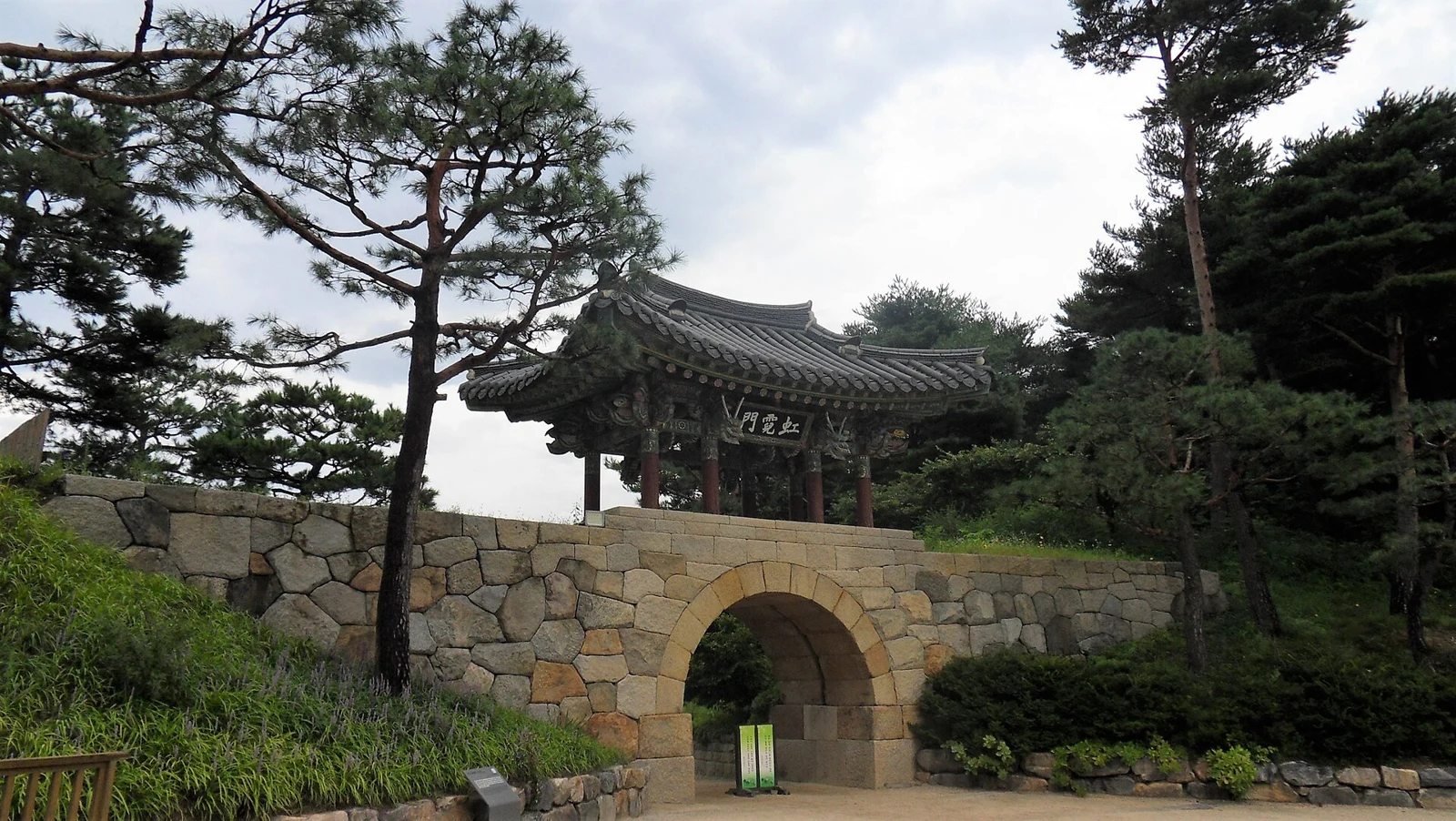
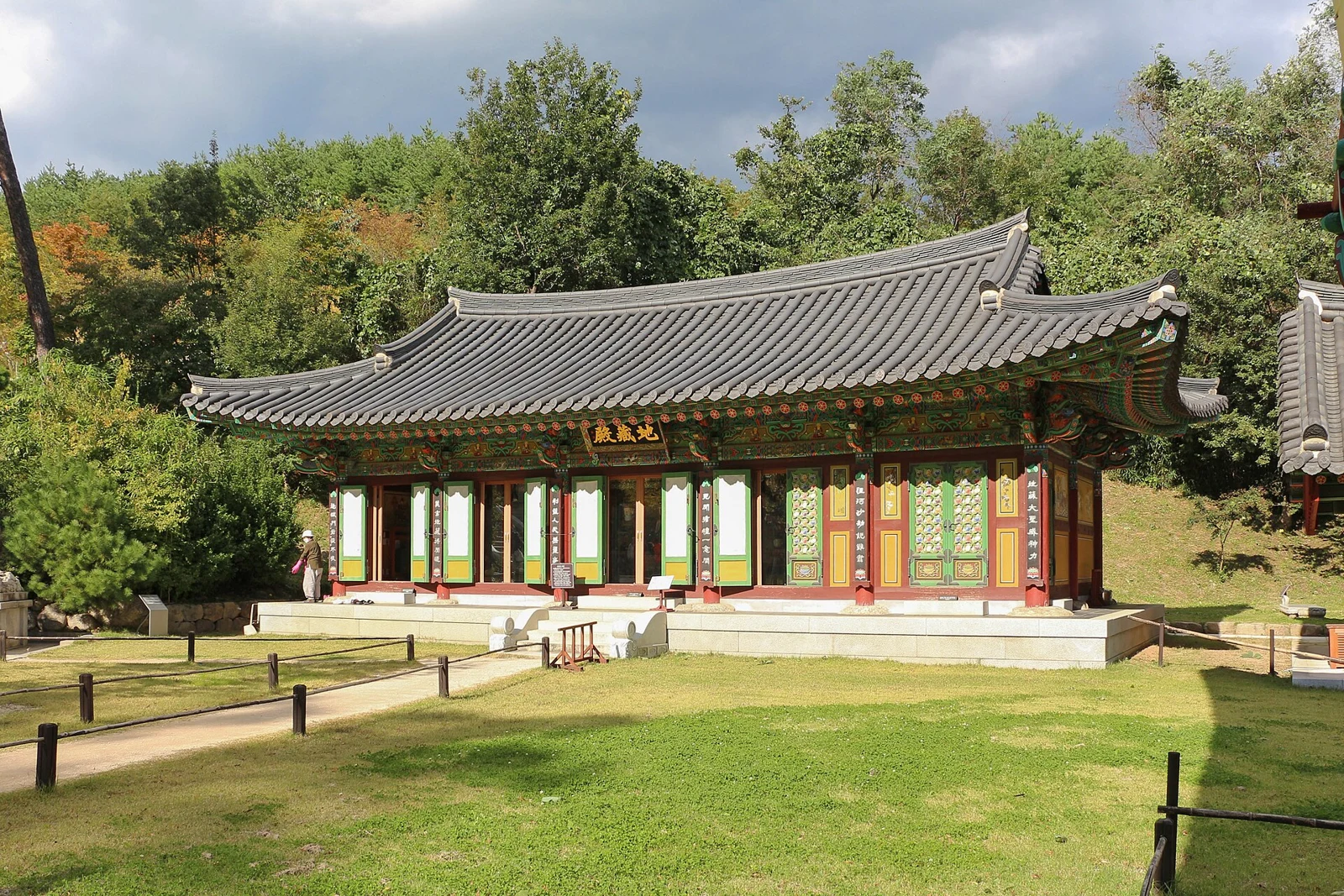
Naksansa, shown in the photographs, is in Yangyang, Gangwon Province, outside Seoul. The KTO introduction includes it among temple options; check the official portal for current programme availability and plan the longer journey separately.
What to ask before you go
Transport. Temples outside cities can be a long way from the nearest station or bus stop. Ask how to reach the temple from the last stop, and plan to arrive on time, as programmes often start together.
Sleeping and bathrooms. Rooms and bathrooms may be shared, and bedding may be traditional floor bedding. Ask what's provided rather than expecting a private room or bathroom.
Wake-up time. Some overnight programmes start very early. Times vary by temple and programme, so check your schedule.
Food. Temple meals are often plant-based, but don't assume any meal is fully vegan, gluten-free or free of a particular allergen. If you have allergies or dietary needs, tell the temple when you book and ask whether they can accommodate them.
What to wear and bring
Temples may provide clothing for the programme, so ask. Bring:
- warm layers, as halls and mountain air can be cold, especially early in the morning
- socks, since you'll take your shoes off indoors
- shoes with good grip that slip on and off easily
- any personal items you need for the night
On the day
Leave plenty of time for the last part of the journey, especially if the temple is on a hillside or outside the city centre. Eat something before you travel if your programme starts close to a mealtime, and keep your phone on silent once you arrive. If your plans change, contact the temple or the portal as early as you can, and check the cancellation terms in your booking.
Etiquette: quiet, respect and photos
Keep your voice low, follow your guide's lead in halls, and observe the temple's rules about ceremonies. Some areas or moments may be off-limits for photos. Always ask before photographing monks, nuns or other participants, and never take photos during ceremonies unless you're told it's fine.
If you're interested in other calm, wellness-style experiences, see our first-timer's guide to K-wellness in Korea.
Frequently asked questions
›Is a templestay like a retreat or spa?
No. It's a programme at a working temple where people live and practise. Expect structure, quiet and rules.
›Will there be English on my programme?
It depends on the temple and the date. Ask before you book.
›Is the food vegan?
Meals are often plant-based, but don't assume they're vegan or allergen-free. Tell the temple about any dietary needs in advance.
›Do I have to take part in ceremonies?
Expectations vary. If you're unsure, ask the temple or the portal how participation works before you book.
Sources and updates
Last edited on November 18, 2026. Sources support the specific details discussed in the guide; check the provider for current prices, availability and eligibility.