Korean Stationery Shopping: Choose Pens, Planners and Small Gifts You Will Use
Shop Korean stationery with practical checks for pens, notebook paper, dated planners and small gifts, plus a simple way to avoid unused purchases.
A stationery shop is easy to enjoy and surprisingly easy to overbuy. A useful starting rule is to pick one task: a pen for daily notes, a planner for appointments, or a small gift for someone who writes letters. Then compare products that solve that task.
This guide focuses on choosing items rather than collecting shop names. You can apply the same checks in a large chain, a bookstore stationery section or a small independent shop.
Build a small, useful shopping list
| Item | Try or inspect | A reason to leave it behind |
|---|---|---|
| Pen | Tip width, grip and refill information | It feels awkward in your hand |
| Notebook | Ruling, page size and binding | The layout does not fit your use |
| Planner | Actual dates and weekly pages | You are buying a year you will not use |
| Letter set or stickers | Contents, quantity and packaging | You cannot think of a recipient or use |
Give yourself a spending limit before browsing. Small purchases add up even when each price looks modest. A second pass through the basket is useful: keep the item you would reach for at home, then reconsider the duplicate you chose only because its color was different.

Test a pen for the writing you actually do
Use only a designated tester and sample paper; if none is out, ask 테스트해 봐도 돼요? — May I try this? Write a few words rather than one quick line. Check how the grip feels, whether the line is clear and whether you like the tip width. A decorative barrel does not tell you how the pen writes.
If you want to keep using it, look for refill details. A refill needs to match the actual pen; a similar-looking cartridge is not proof of compatibility. Ask 리필이 있어요? — Are refills available? and keep the product code if it will help you find one later.
For a gift, think about the recipient's habits. Someone who carries a small notebook may prefer a compact pen, while a person who writes long notes may care more about comfort. You do not need a large set to make the gift feel considered.
Open the sample notebook, not just the cover
Check whether the pages are lined, dotted, squared or blank. Look at the space near the spine and whether the sample stays open comfortably. The binding and page size can matter more than the cover once you start using it.
If paper compatibility is important, look for product information and use a sample only as the shop allows. Do not assume every notebook suits fountain pens, heavy ink or markers. A packaging description is more useful than a broad claim about Korean paper.
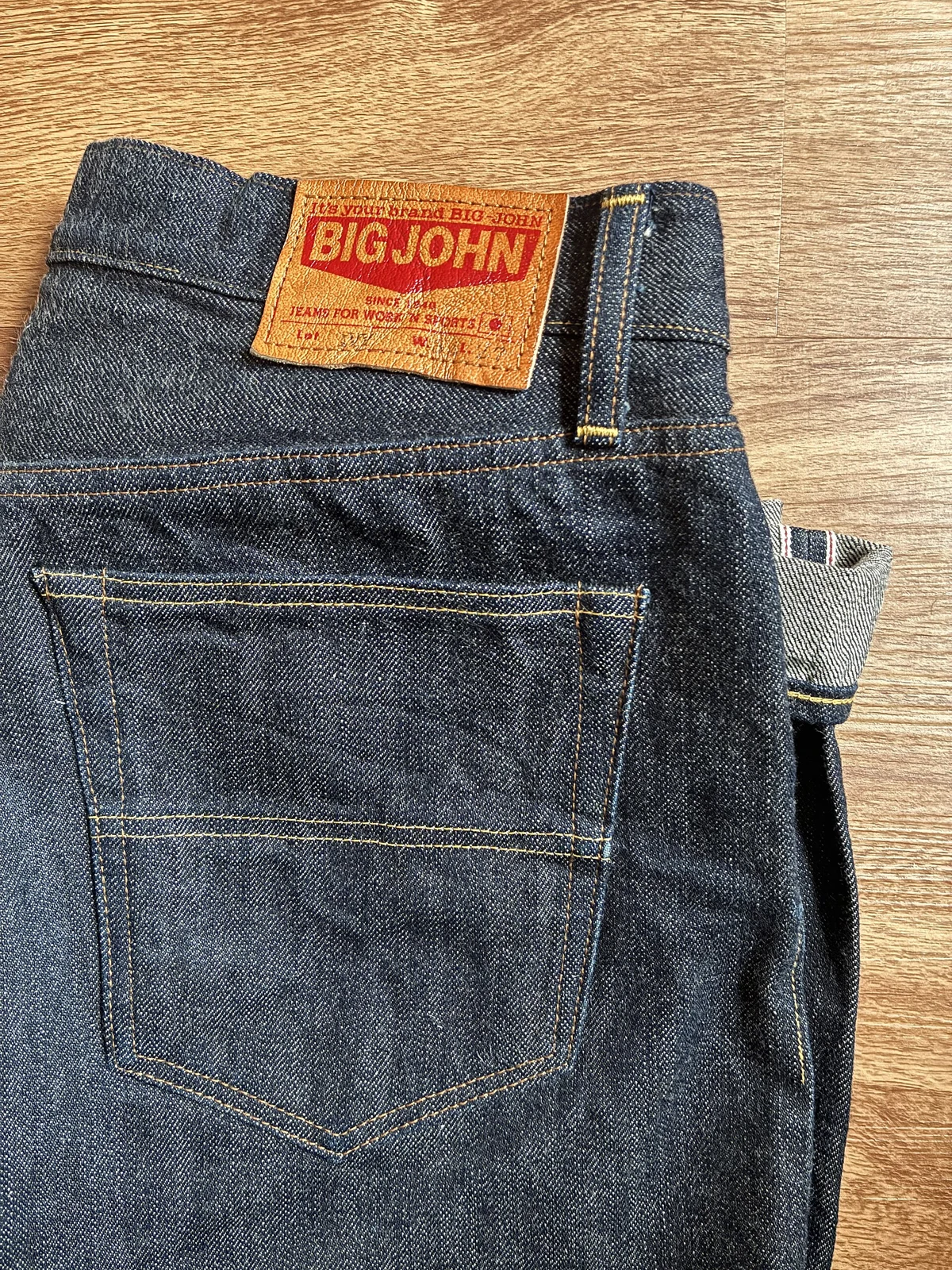
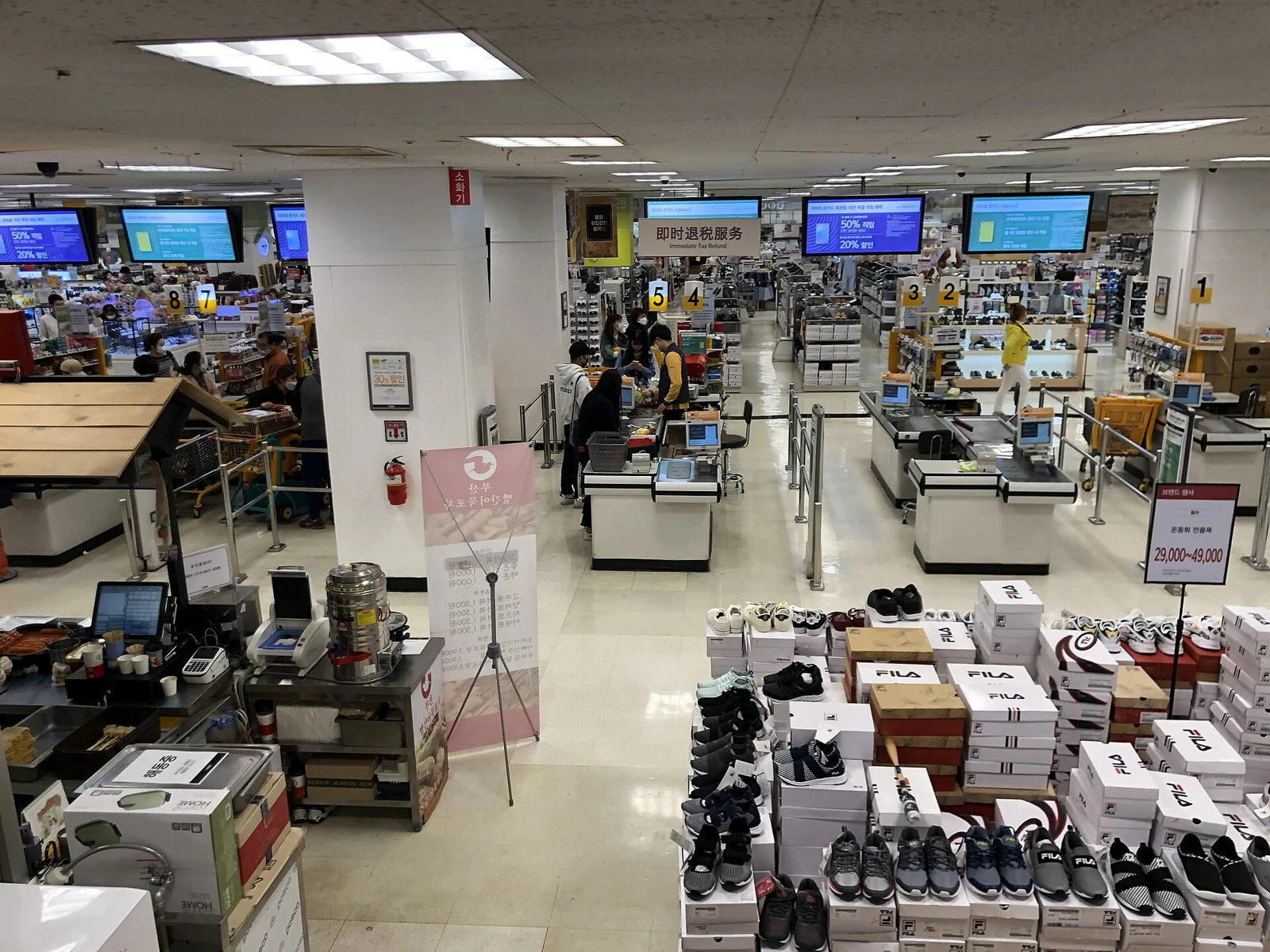
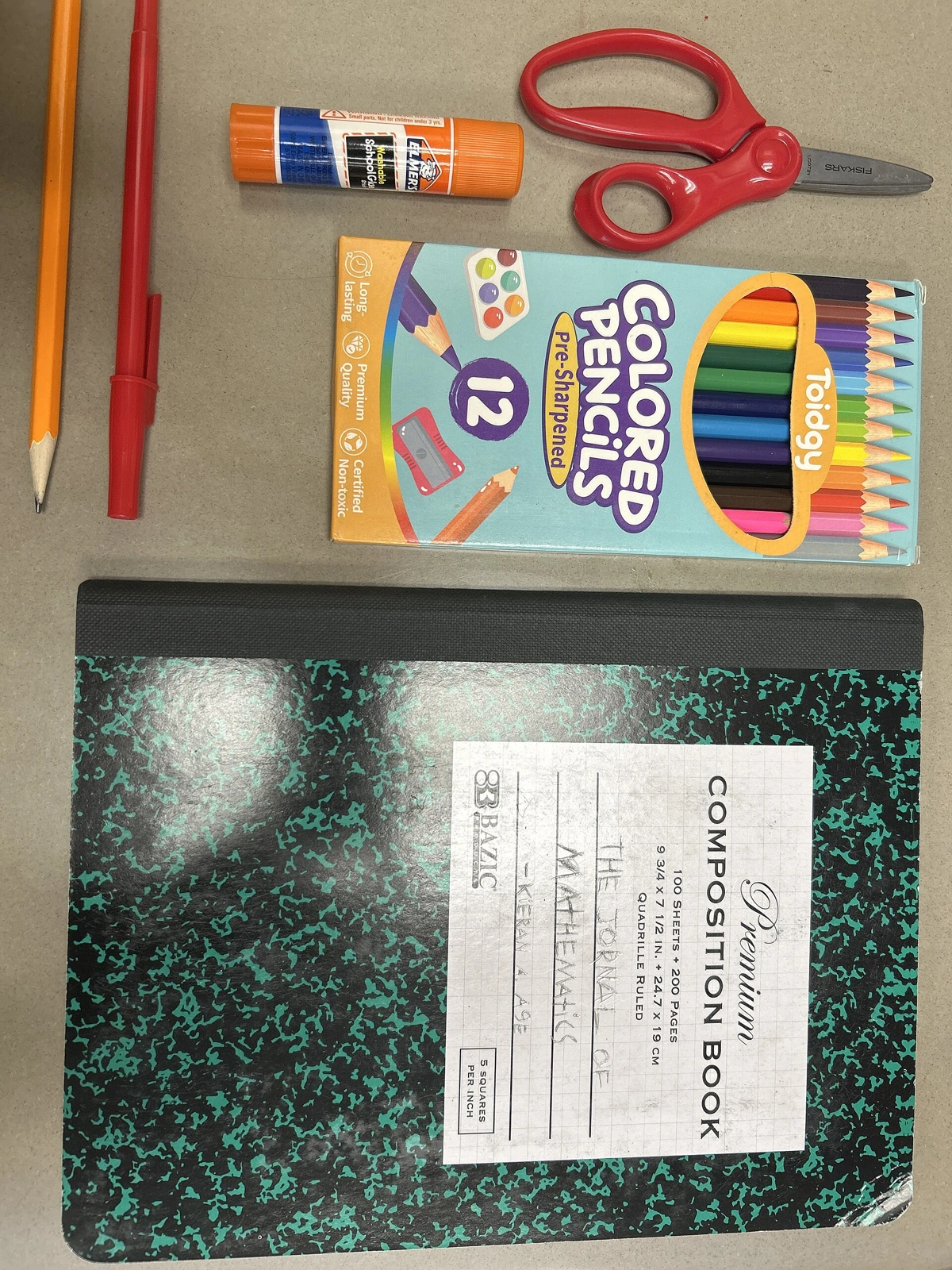
The opening photograph shows generic stationery supplies; the ARTBOX store capture below identifies the named shop. The generic supplies are not an ARTBOX product selection or evidence of manufacture in Korea.
Check a planner's actual pages
Read the year and open the sample to a weekly spread. In late 2026, do not assume a planner on display is for 2027. Some products are undated; others cover a particular period. Decide whether you need fixed dates, monthly planning, daily space or a place for short lists.
Common weekday labels include 월 Monday, 화 Tuesday, 수 Wednesday, 목 Thursday, 금 Friday, 토 Saturday and 일 Sunday. Check which day begins the actual spread rather than assuming every planner has the same order. Look at any holiday notes too if you will use it outside Korea.
A quick test is to imagine one ordinary week. Where would you put an appointment, a shopping list and a reminder? If the layout makes that difficult, another format may be a better purchase even if you prefer the first cover.
Use a real shop as a place to compare
KTO describes ARTBOX's Myeongdong Jungang branch as a stationery and creative-goods retailer. The company's own site provides brand information. These are useful starting points, but neither establishes the stock or price of an item at every branch.
Read the country-of-origin label if you specifically want something made in Korea. A Korean retailer can carry products from different places. Likewise, an attractive character design does not tell you how many pieces a pack contains; check the contents before paying.

Pack the purchase for its real recipient
Keep paper goods flat, protect corners and avoid placing a heavy bottle against a notebook cover. Confirm any gift-bag charge and keep the receipt. If you are comparing low-cost souvenirs, the Daiso guide offers another shopping context.
Ask about the shop's actual tax-refund process if relevant. Eligibility is separate from product usefulness, and the tax-refund guide explains that checkout question. A small notebook someone uses every week can be a better souvenir than a large bag of stationery that never leaves its packaging.
Frequently asked questions
›Is every product in a Korean stationery shop made in Korea?
No. A retailer’s identity does not establish each item’s manufacturing country. Read the product label if origin matters to your purchase.
›Should I buy a dated or an undated planner?
Choose a dated one if its actual year and page layout suit you. An undated version may be more flexible, but check how much date writing it requires.
›Can I test any pen or open every package?
No. Use designated testers and samples, or ask staff. A sealed product is not automatically a sample.
Sources and updates
Last edited on November 22, 2026. Sources support the specific details discussed in the guide; check the provider for current prices, availability and eligibility.