Where to Exchange Money in Korea (and Where Not To)
How to compare licensed money changers, bank counters, airport exchange and card costs in Korea without assuming a fixed discount.
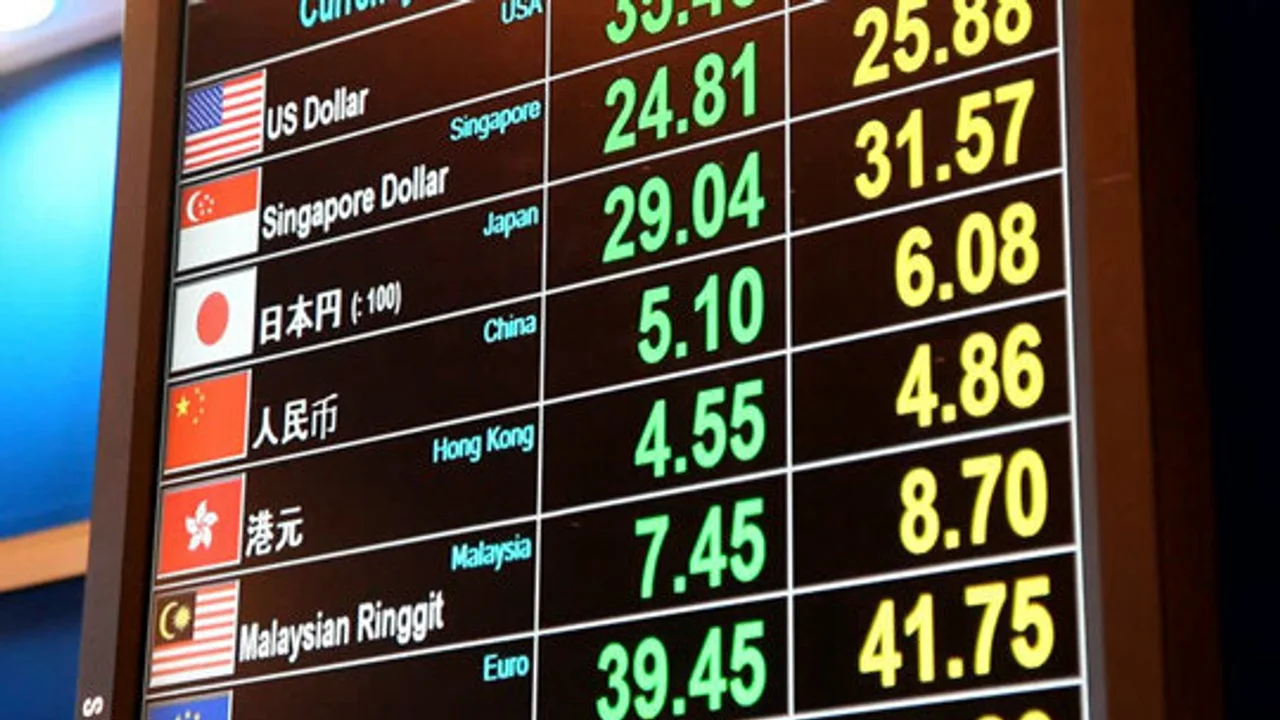
A good exchange comparison starts with the money you actually receive, not an advertised percentage. A counter can show a competitive rate and still charge a fee, accept only certain notes or quote a different price for your currency.
Compare one transaction at a time
Korea Tourism Organization directs travelers to banks or authorized exchange services. Ask each provider the same question: “For this amount of this currency, how many Korean won will I receive after all charges?” Compare the final payout before giving up your notes.
| Record | Why it matters |
|---|---|
| Currency and amount offered | A dollar quote cannot be applied to euros or another amount |
| Final KRW payout | This includes the real effect of rates and fees |
| Note restrictions | Damaged or older notes may be refused |
| Opening hours and travel cost | A better quote may not justify a long detour |
We have removed fixed airport-versus-city percentage claims: this guide is not a live rate survey. Keep a small arrival buffer for immediate expenses, then compare options once you are settled.
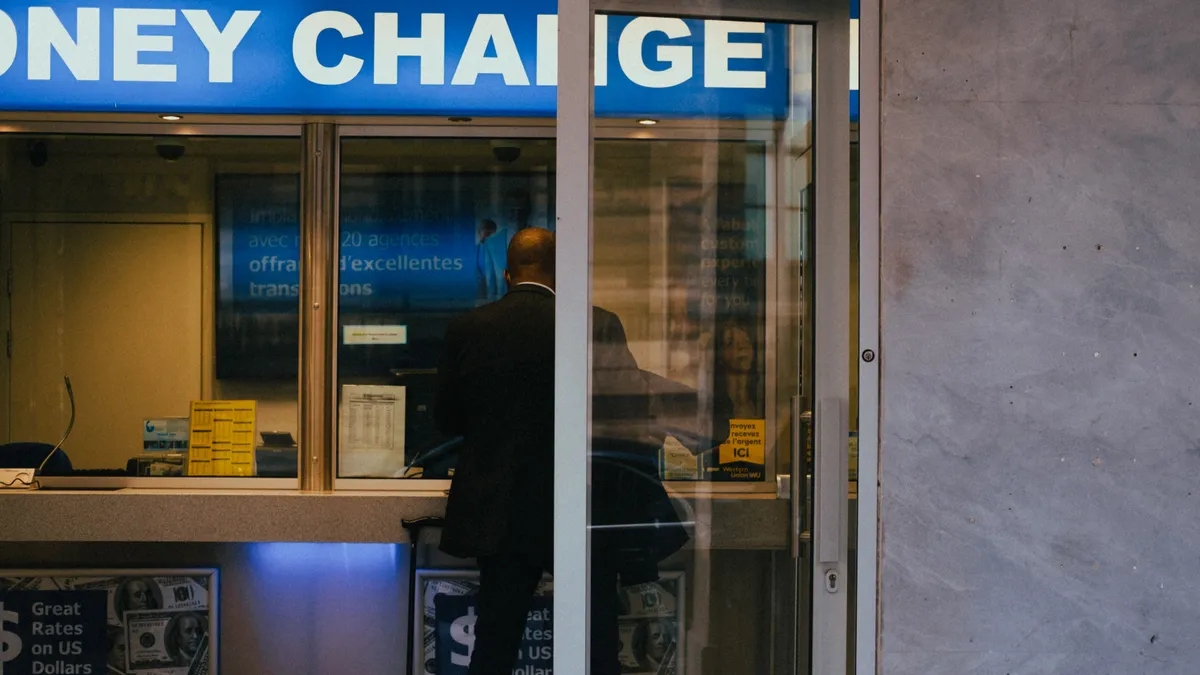
Airport, city counter or bank?
An airport counter can be convenient after landing. A licensed downtown counter can be useful when several providers are close together. A bank can provide a staffed transaction and receipt, but check whether the branch handles your currency and whether exchange service is available that day.
The tourism authority lists ordinary bank hours as weekdays 09:00–16:00, with variations by branch and region. Bring your passport and ask about required identification before queuing. Do not assume every counter is open around the clock.
Compare cash with card costs
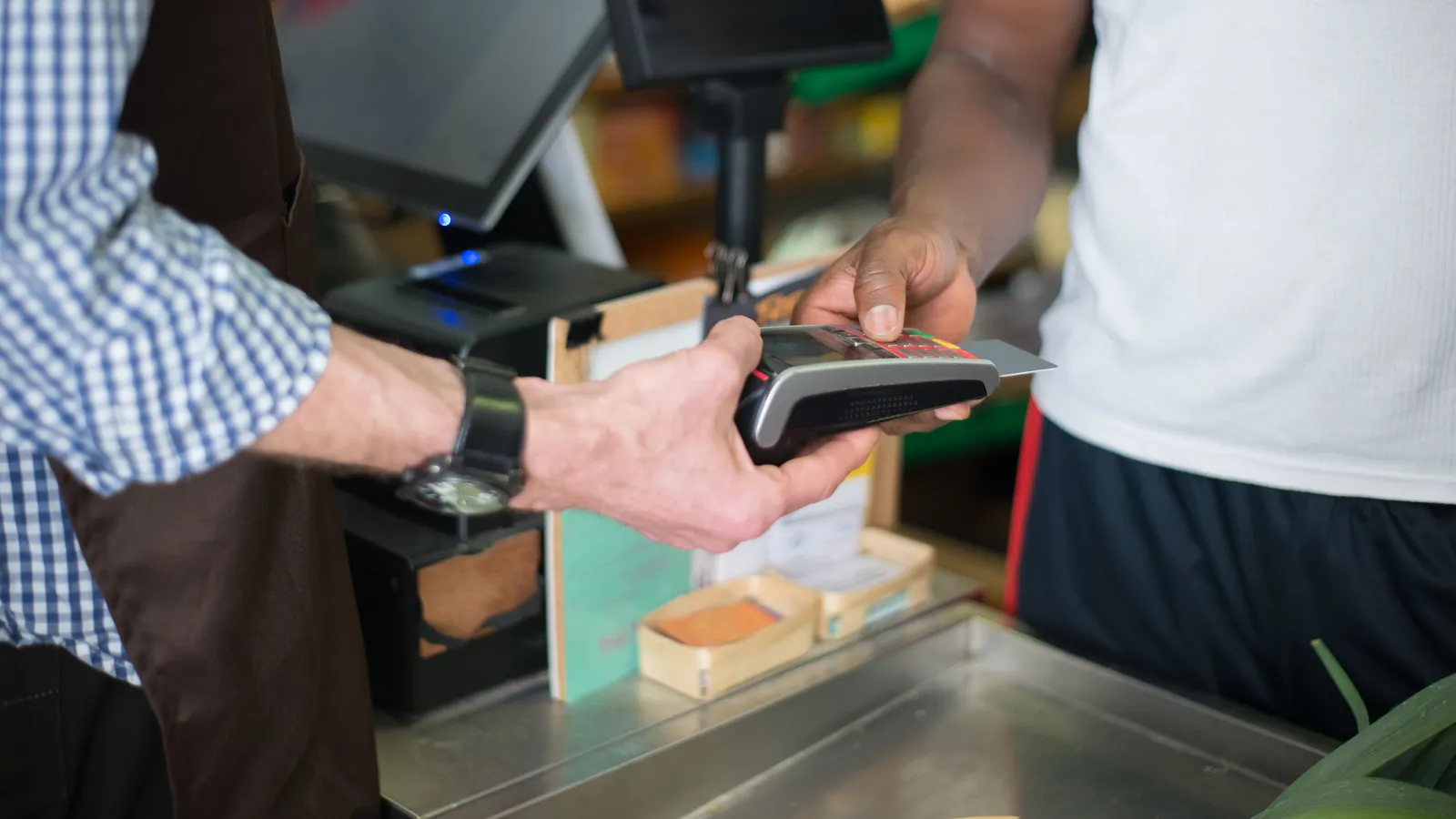
A card can reduce the need to carry cash, but its cost depends on your issuer and account. Review the conversion fee, overseas ATM fee, free-withdrawal allowance and any operator surcharge. “Fee-free” does not describe every possible part of a transaction.
If a shop or ATM offers to charge you in your home currency, read the disclosed exchange rate and fee. Visa explains this as dynamic currency conversion; you should be allowed to accept or decline it. Compare it with your issuer's terms rather than accepting automatically.
At the counter
Count the won while still at the window, keep the receipt, and check that the amount matches the quote. Do not hand cash to an unsolicited person on the street. Keep some money separate from your wallet and carry a backup card.
For a withdrawal instead of an exchange, use our ATM troubleshooting checklist. For daily spending, see cash versus card.
Frequently asked questions
›Where is the best exchange rate?
It changes by currency, counter and date. Compare the final won payout at authorized providers rather than assuming a neighborhood or airport is always cheapest.
›Should I exchange before arriving?
Compare the total cost at home, in Korea and through your card. Having enough won for immediate transport can be convenient, especially after a late arrival.
›Does a travel card remove all fees?
Not necessarily. Currency conversion, ATM limits, operator charges, account plans and weekend pricing can differ. Read the issuer’s current terms for your country and account.
Sources and updates
Last edited on October 12, 2026. Sources support the specific details discussed in the guide; check the provider for current prices, availability and eligibility.