Jeju Without a Car: A Four-Day, Three-Night First-Visit Plan
Plan four days and three nights in Jeju without a rental car, using one base, an east-coast day, Seogwipo and flexible bus or tour options.
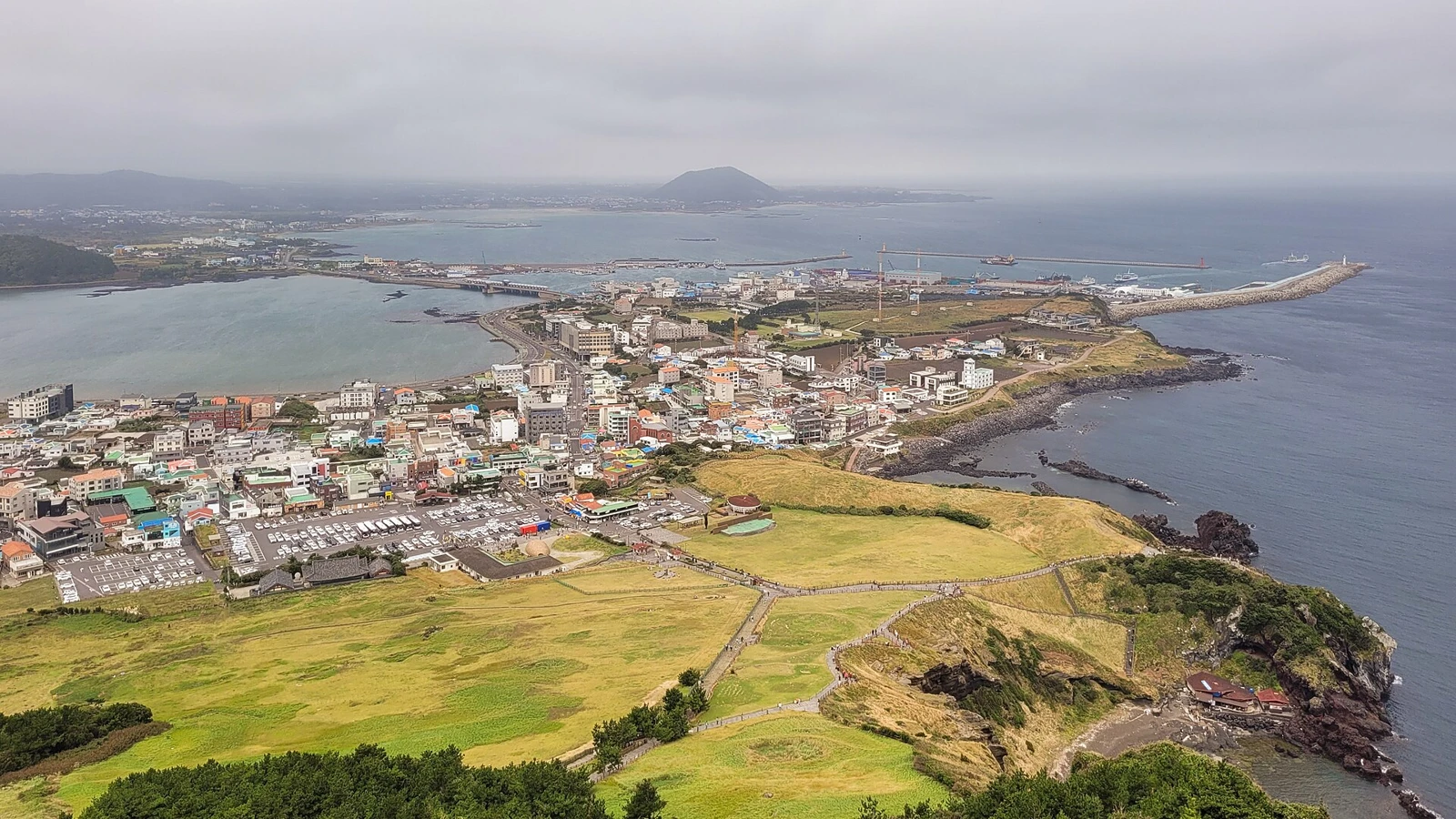
Choose your base before choosing attractions
Jeju is an island trip, but it does not work like a compact beach town. A hotel beside a quiet coast may leave you with a long walk to a useful bus stop. Before booking, map the actual entrance, the bus stop on both sides of the road, nearby dinner options and the route back from your planned day trips.
Jeju City is the base used here. It keeps your final night on the airport side of the island and lets you unpack once. Choose accommodation with a useful airport connection rather than assuming that every hotel advertised as “Jeju City” is central.
Central Seogwipo is an alternative for travelers who care more about waterfalls and the southern coast. Stay near the places you want to walk to, such as the market and harbor area. For an early flight, consider spending the final night near the airport; moving bags is a tradeoff, so calculate the transfer before changing hotels.
The four-day plan
The following is an editorial itinerary, not an operator timetable. Check your flight times first, then remove any stop that creates an awkward return journey.
| Day | Main area | A manageable plan | Transport decision |
|---|---|---|---|
| 1: Arrival | Jeju City | Check in, eat nearby, browse Dongmun Market if time permits | Check the airport-to-hotel route and the final service |
| 2: Full day | East coast | Make Seongsan Ilchulbong your main destination; add Hamdeok only if the route leaves enough time | Compare a bus itinerary with a dated east-coast tour |
| 3: Full day | Central Seogwipo | Visit Cheonjiyeon Falls and the market area; add a harbor walk toward Saeyeongyo if time allows | Check the cross-island journey and return before leaving |
| 4: Departure | Airport side | Breakfast and a nearby walk only if the flight allows | Follow your airline’s check-in deadline and allow a transfer buffer |
Day 1: Arrive without a second long journey
Start with accommodation and dinner. Dongmun Market can be a useful optional introduction to Jeju City, but do not make a market meal depend on a late arrival. Stall hours and evening offerings vary. Save the hotel address in Korean and English, and keep a simple backup dinner near it.
Use this first evening to check tomorrow’s transport. Look at the journey in both directions, including the final stop-to-hotel connection. A destination being reachable at lunchtime does not mean getting back after dinner is equally straightforward.
Day 2: Give the east coast a full day
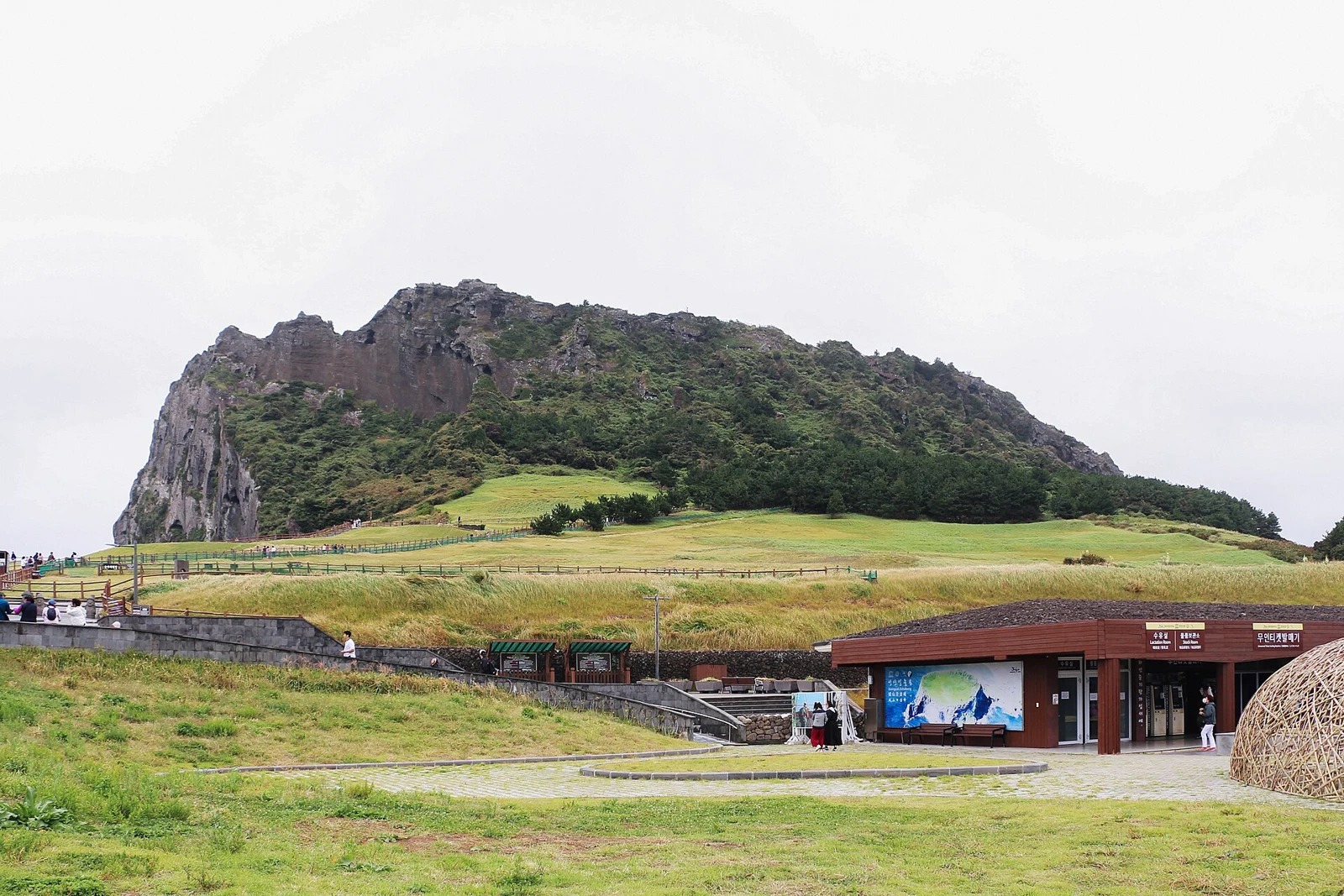
Seongsan Ilchulbong is the main stop. Decide whether you want the summit route or views from the surrounding area; check ticketing, access and weather on the day. Do not promise yourself a sunrise climb from a Jeju City hotel unless you have separately arranged suitable transport.
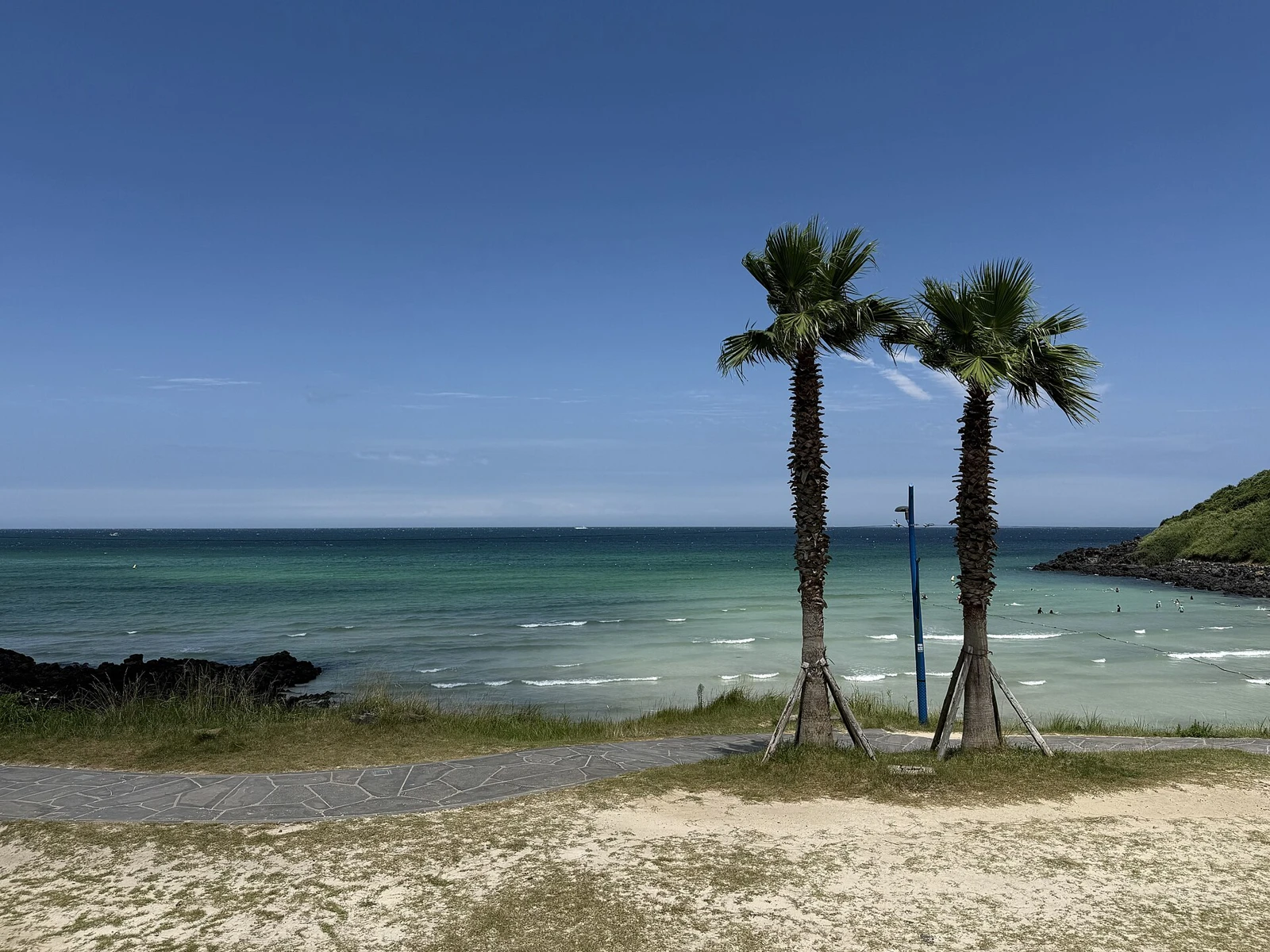
Hamdeok is an optional second stop, not a required item between two long bus journeys. A prebooked east-coast tour can reduce transfers, but read its exact pickup point, admission inclusions, walking demands and cancellation terms. “East Jeju” tours do not all visit the same places.
The Korea Tourism Organization’s east-coast bus guide compares routes 101 and 201. It is useful background, dated February 2025. Check the Jeju bus information portal for current stops and schedules instead of treating an old itinerary as today’s timetable. Carry a supported, funded transit payment method; do not depend on paying city-bus fares in cash.
Day 3: Keep Seogwipo compact
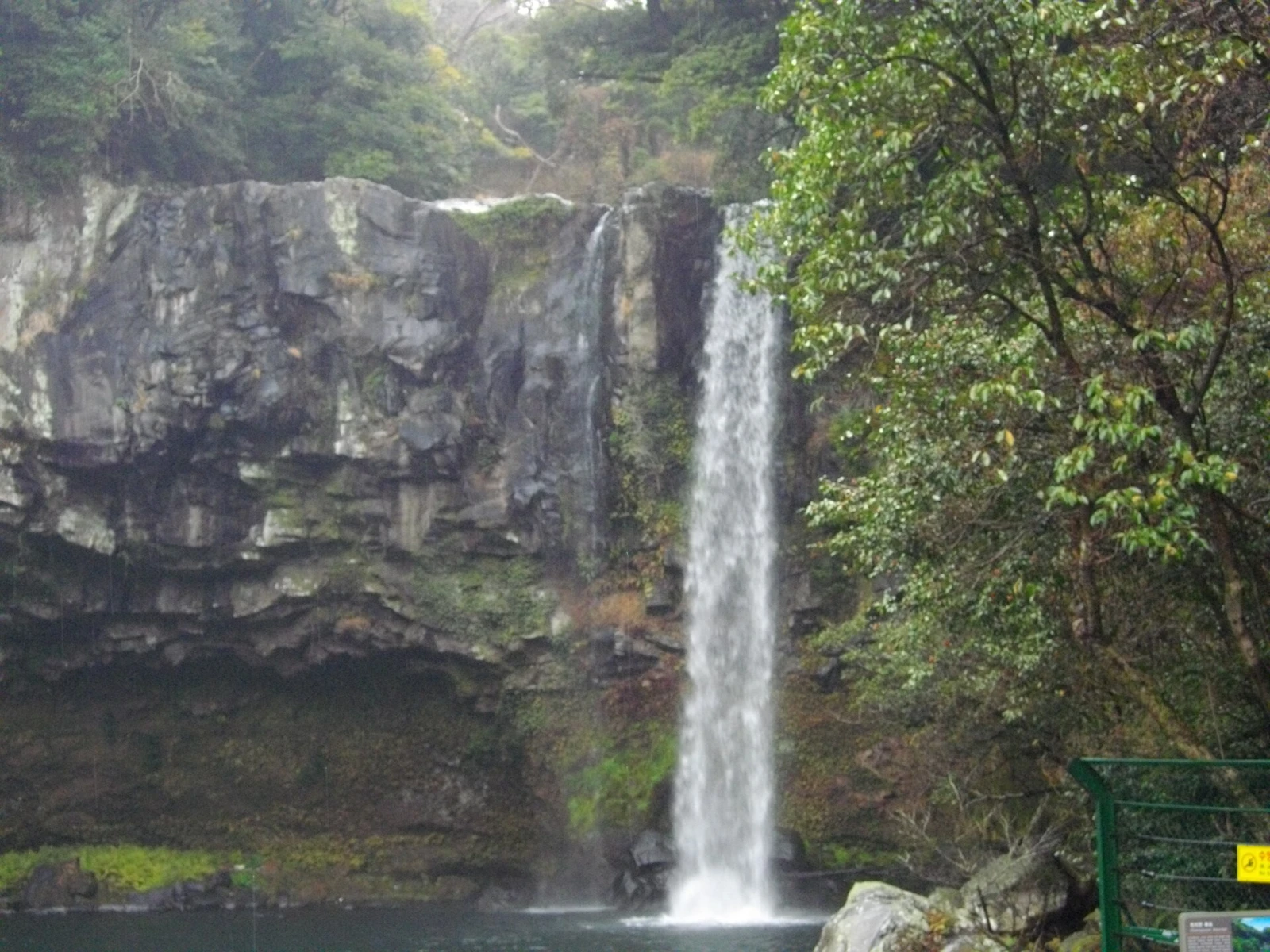
Start with Cheonjiyeon Falls, then choose lunch around central Seogwipo and a harbor walk. Cheonjiyeon and Cheonjeyeon are different waterfalls: save the correct name and address, 2-15 Namseongjung-ro, Seogwipo-si. The city-operated attraction page provides visitor and transport information.
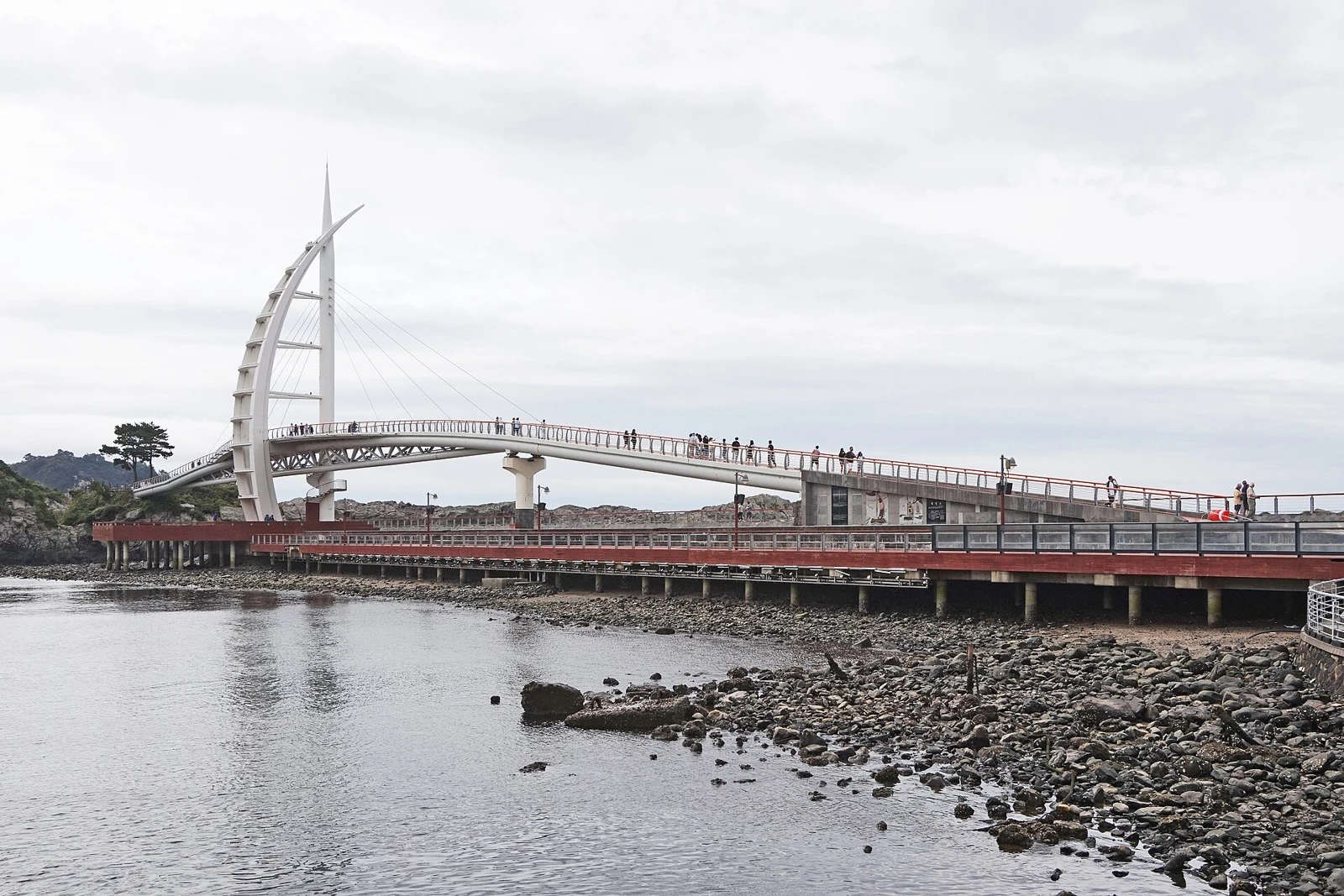
Saeyeongyo Bridge makes a natural harbor-area option. Check pedestrian access and the weather; a photograph of the bridge is not a promise that every connected path is open. If the cross-island travel makes the day too long, choose the falls and market, then return. You do not need to add another waterfall simply because it is famous.
Day 4: Protect the flight
Keep the final morning close to the airport side. Do not fit a ferry, a mountain climb or a long coastal detour before a flight. Wind and weather can change travel plans, so check airline messages and leave room to respond. The right airport arrival time depends on the flight and airline; this itinerary does not replace their instructions.
Buses, tours and taxis: use each for a purpose
Buses suit travelers willing to plan around stops and waiting time. A tour can simplify a full sightseeing day. A taxi can help with a difficult short connection, but it is different from hiring a vehicle and driver for the day. Confirm the arrangement, fare basis and return plan before agreeing to a longer trip.
For the practical basics, see our Korean city-bus guide and map-app comparison. Route from your actual hotel, rather than copying someone else’s travel time.
Official planning sources
- Visit Jeju for destination and current visitor information.
- Jeju bus information for routes and timetables.
- KTO east-coast bus guide, dated February 2025; route context, not a live timetable.
- Seogwipo City: Cheonjiyeon Falls.
Frequently asked questions
›Is three nights enough for Jeju without a car?
It is enough for a focused first visit with two full sightseeing days. Keep one main area per day and avoid trying to circle the whole island.
›Should I stay in Jeju City or Seogwipo?
Jeju City fits this airport-side, one-base plan. Central Seogwipo suits a trip focused on southern attractions. Compare the exact hotel’s bus connections and your flight times.
›Do I need to book a tour every day?
No. A tour can be useful for one dispersed sightseeing day, while local walks and suitable bus connections can cover other parts of the trip. Check the actual pickup point and inclusions.
›Can I add Udo or Hallasan to this itinerary?
Replace a full day rather than adding them on top. Ferry operation and mountain access need separate planning, current weather checks and any required reservations.
Sources and updates
Last edited on November 17, 2026. Sources support the specific details discussed in the guide; check the provider for current prices, availability and eligibility.