Korea in Winter: December–February Weather, Packing and a Flexible Itinerary
Prepare for Korea in December to February with regional weather differences, practical layers, warm breaks and flexible plans for the 2026–27 winter.
What winter in Korea means
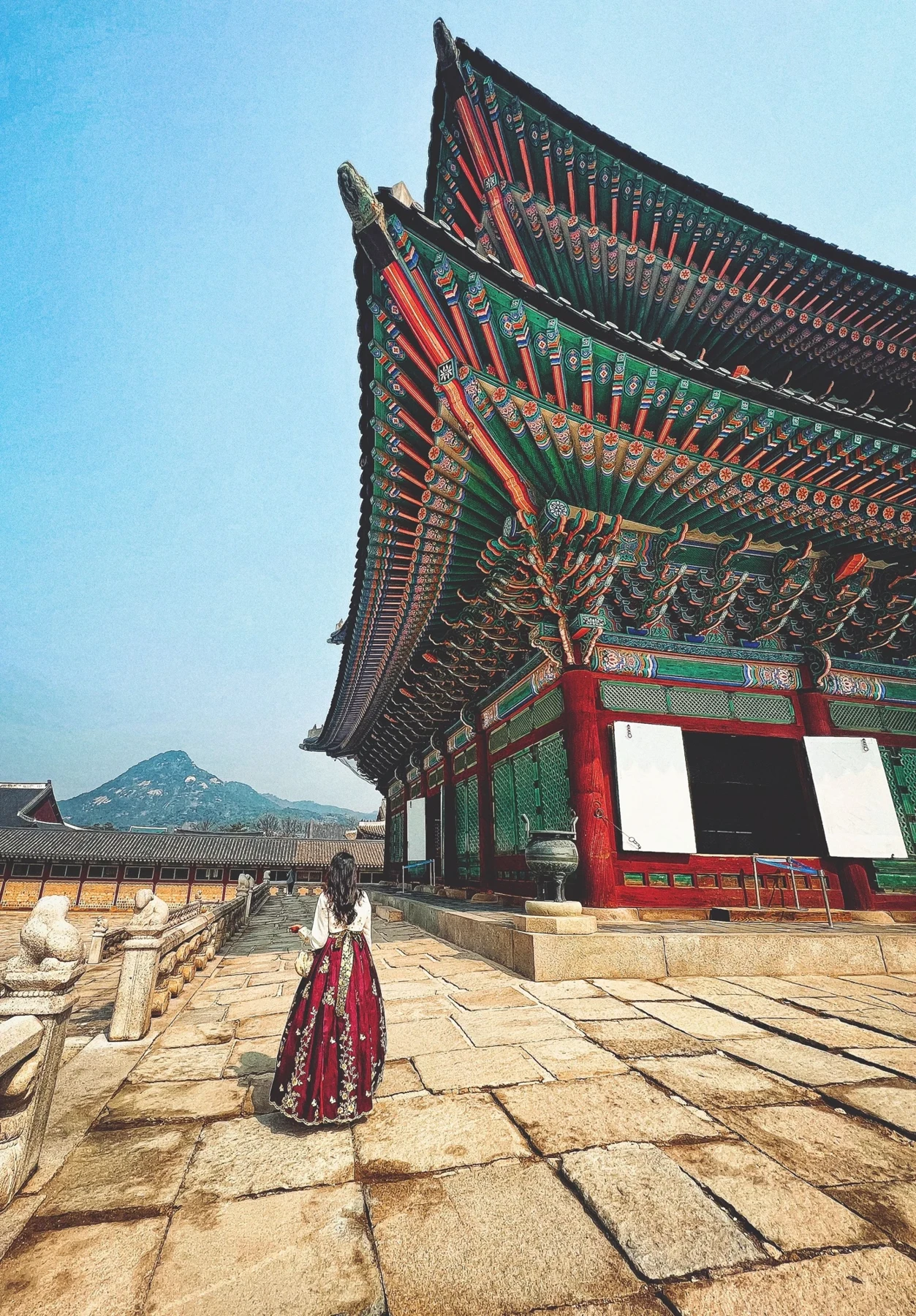
The Korea Tourism Organization’s seasonal overview describes winter as December through February, with temperatures often falling below freezing. That is a broad seasonal picture, not a forecast for Seoul on the day you land. Use the Korea Meteorological Administration’s English website for destination-specific forecasts and warnings, and check again before each outdoor day.
A city trip can still work without snow. Plan around neighborhoods, food and indoor attractions, with snow as a possible extra. Do not book an entire trip around a photograph of a snowy street or assume every February day will feel like spring.
How the regions compare
This is a qualitative planning comparison, not a forecast or temperature guarantee.
| Area | What to allow for | Practical choice |
|---|---|---|
| Seoul and inland cities | Freezing conditions and possible icy paths | Short outdoor walks with indoor breaks |
| Busan and the south coast | Often milder than inland, but exposed coastal wind | Keep wind protection for beach walks |
| Mountain areas | Colder, exposed conditions; weather may affect access | Check trail, resort and transport notices |
| Jeju | Wind and changing island weather; mountain conditions differ from the coast | Check the forecast for the actual destination, not just Jeju City |
Packing: layers you can take off
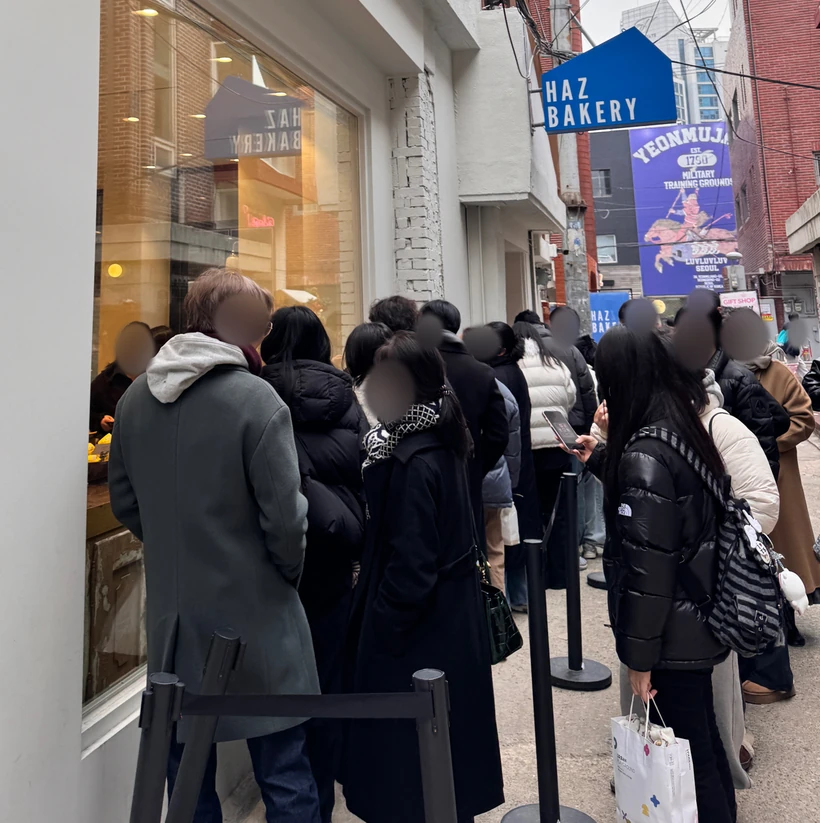
Indoor spaces are often heated, so you will move between cold streets and warm rooms. Layers make this easier than a single outfit you cannot adjust.
- An insulated outer coat that limits wind exposure.
- Base and middle layers you can remove indoors.
- Gloves, a hat and scarf for exposed walks.
- Comfortable shoes with grip and warm socks; smooth soles are a poor choice for icy steps.
- Lip balm and moisturizer if cold, dry conditions bother your skin.
Keep gloves and a spare layer in your day bag rather than at the hotel. If you arrive before December, our November clothing guide explains the transition from late autumn. The clothing photograph here illustrates layers, not a measured temperature or a forecast for your trip.
Build days around warm breaks
Put outdoor sightseeing into daylight hours and avoid an evening made entirely of exposed walks. Pair a palace or park with an indoor stop nearby. A museum is useful, but check its closing day and last entry rather than treating it as an always-open shelter. The National Museum of Korea is one option to plan separately in Yongsan.
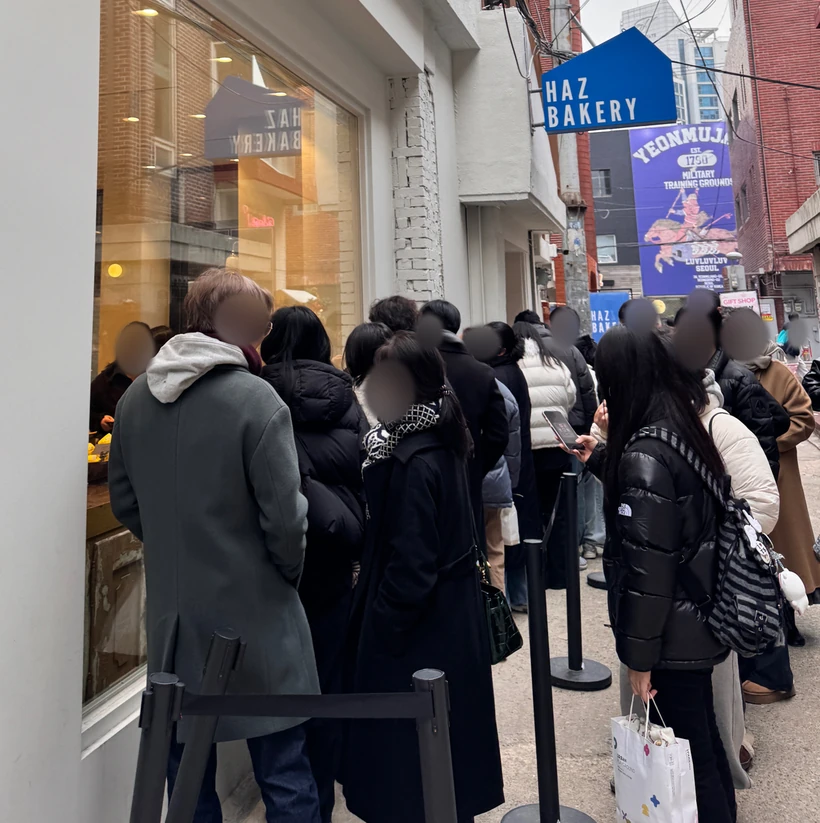
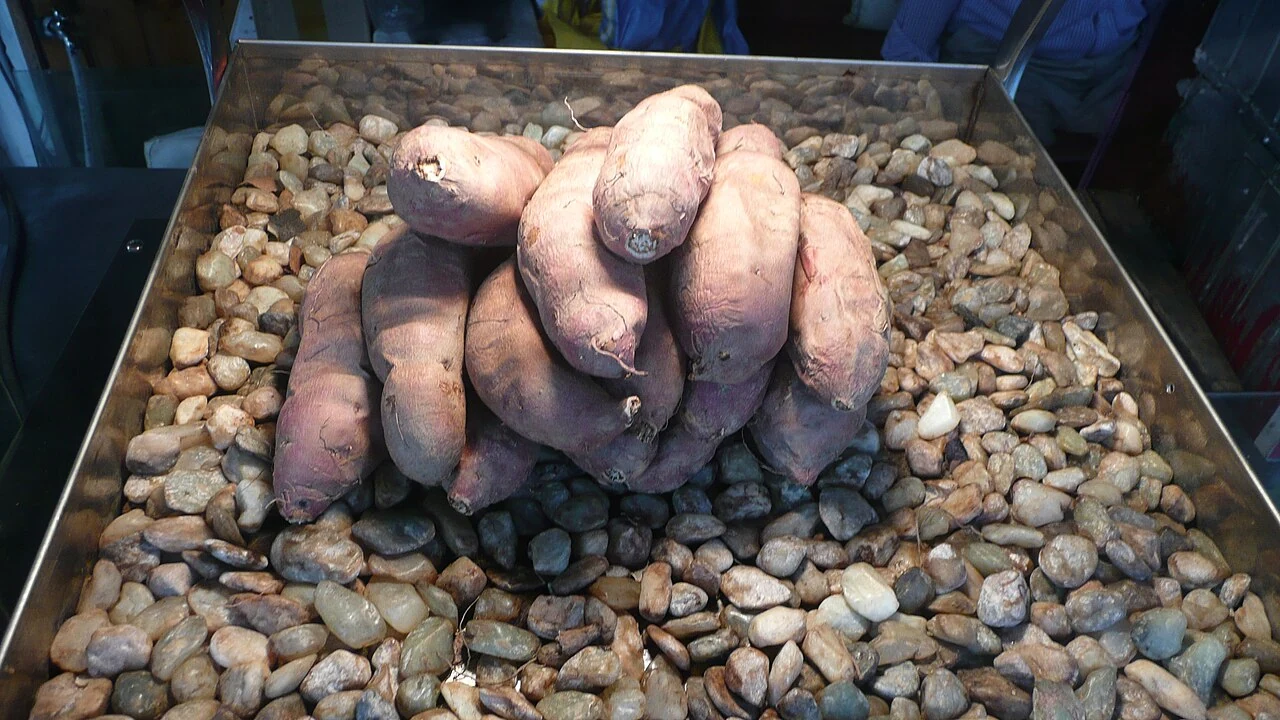
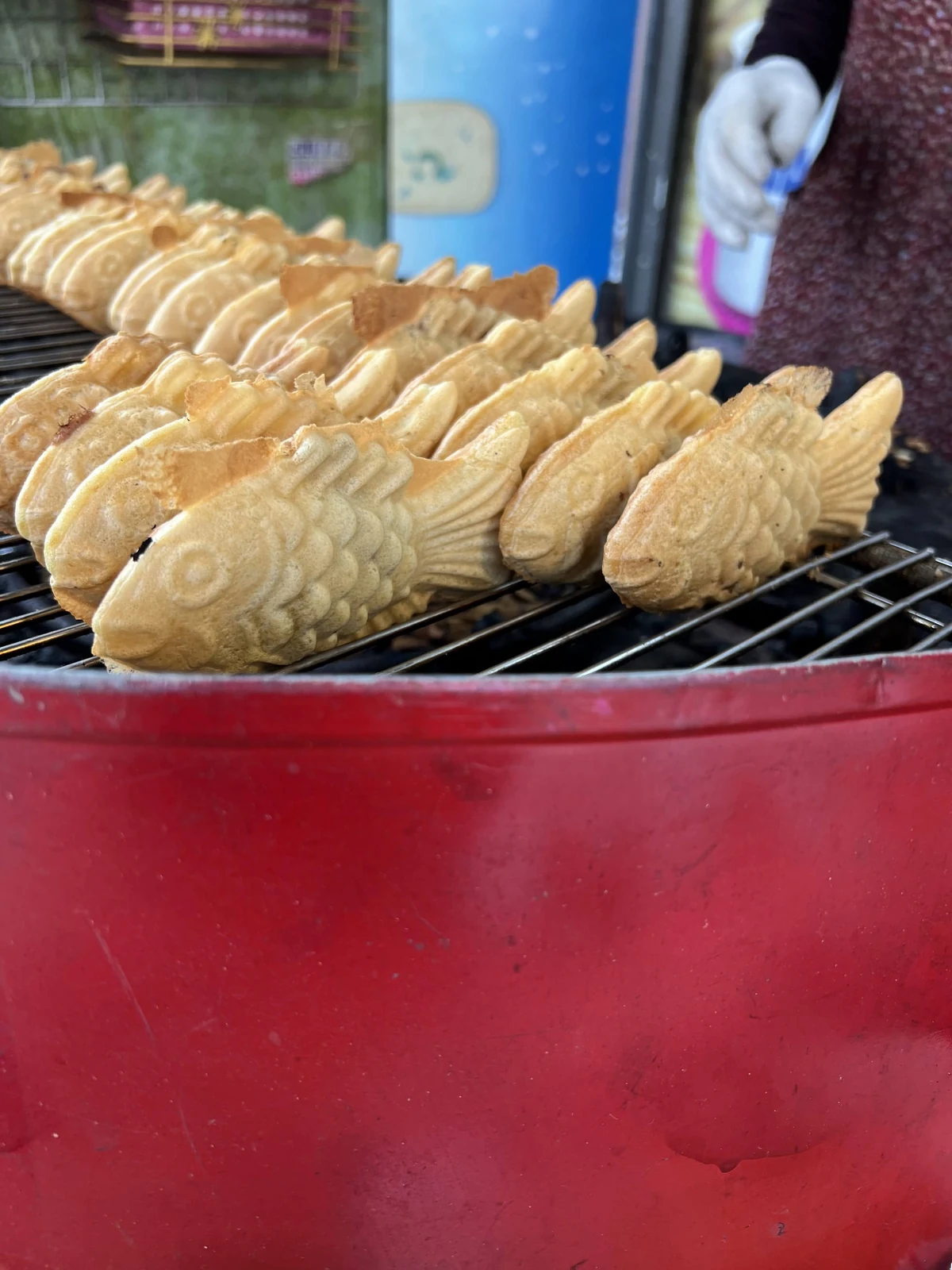
Leave room for a proper meal. Street snacks are an optional pause, not a substitute for every meal or a guaranteed way to stay warm. Our winter street-food guide introduces bungeoppang, hotteok and other choices.
Choose a coastal break or a confirmed ski day
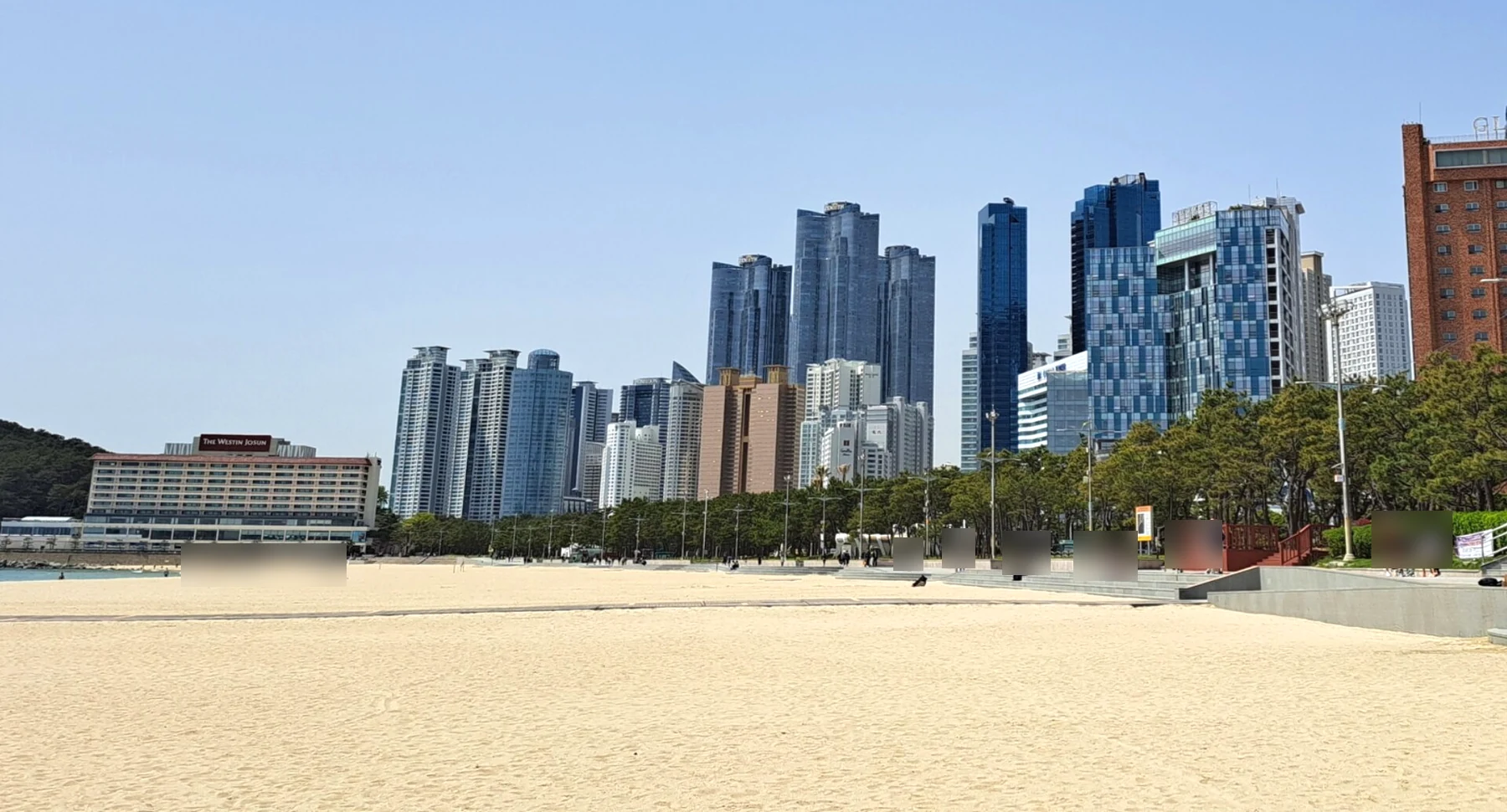
A short Busan stay offers a change of scene from Seoul. Use our Busan two-day guide to group the stops; a beach can still be windy, and a sunny photograph does not establish winter conditions.
For skiing, confirm the resort’s opening, beginner lesson availability, rental inclusions and shuttle pickup and return times before paying. A resort being open does not mean every slope or shuttle is operating. This guide does not assign unconfirmed dates to the 2026–27 season. Check seasonal attractions and festival organizers in the same way.
For a Seoul base, adapt our four-day itinerary and use the trip budget guide to plan spending.
Frequently asked questions
›Will it snow in Seoul while I am there?
It might, but it is not guaranteed. Choose an itinerary you will enjoy even without snow and check forecasts near your travel dates.
›Is Busan warmer than Seoul in winter?
The south coast is often milder than inland areas, but it is still winter and wind can make coastal walks feel cold. Compare local forecasts.
›When do ski resorts open?
Opening varies by resort and season. Confirm current slope access, lessons and shuttle service with the operators before committing.
Sources and updates
Last edited on November 12, 2026. Sources support the specific details discussed in the guide; check the provider for current prices, availability and eligibility.