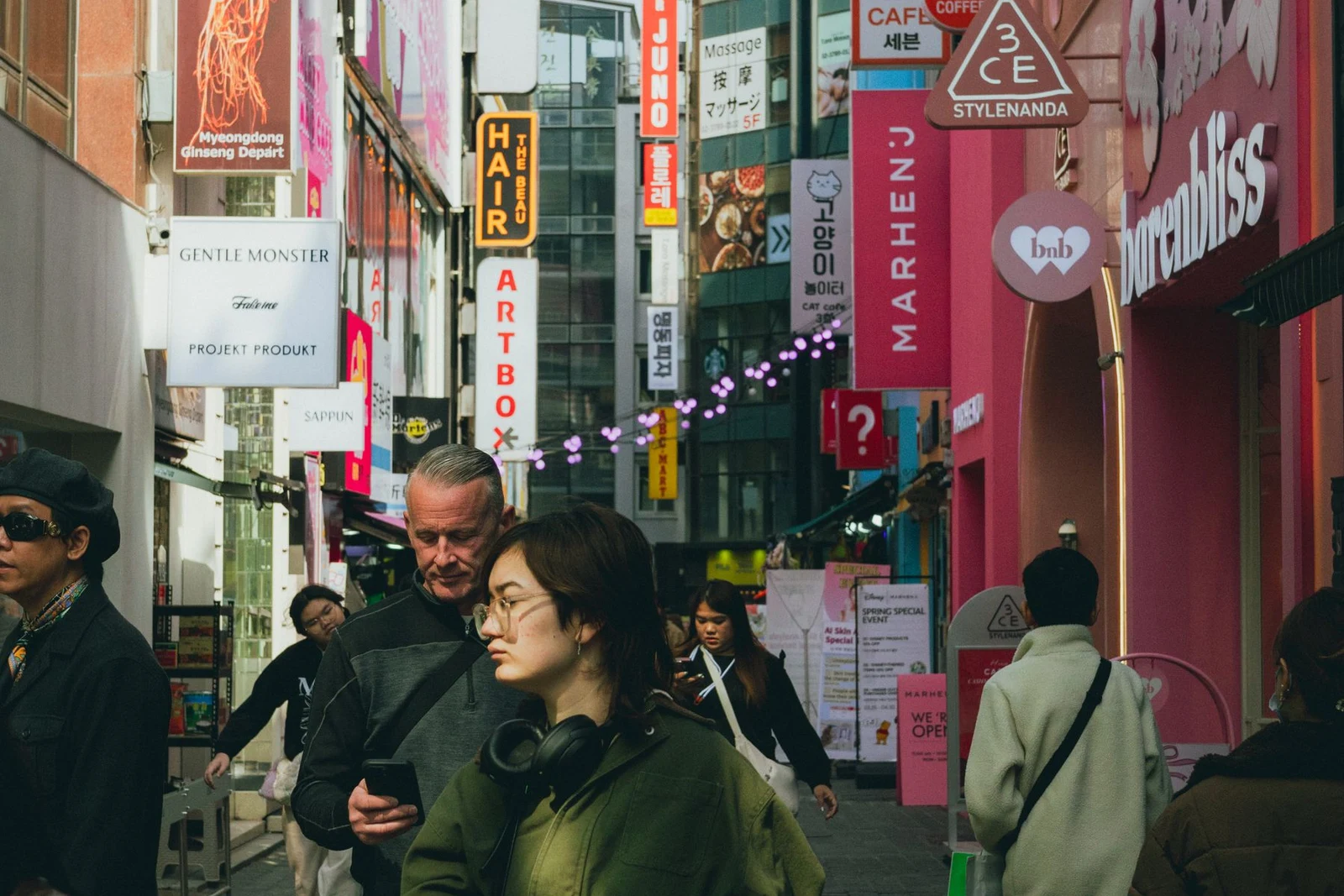
What to Wear in Seoul in November and Winter: A Practical Packing Guide
What to wear in Seoul in November and winter: adjustable layers, climate averages, city outfits, footwear and a practical seven-day packing list.
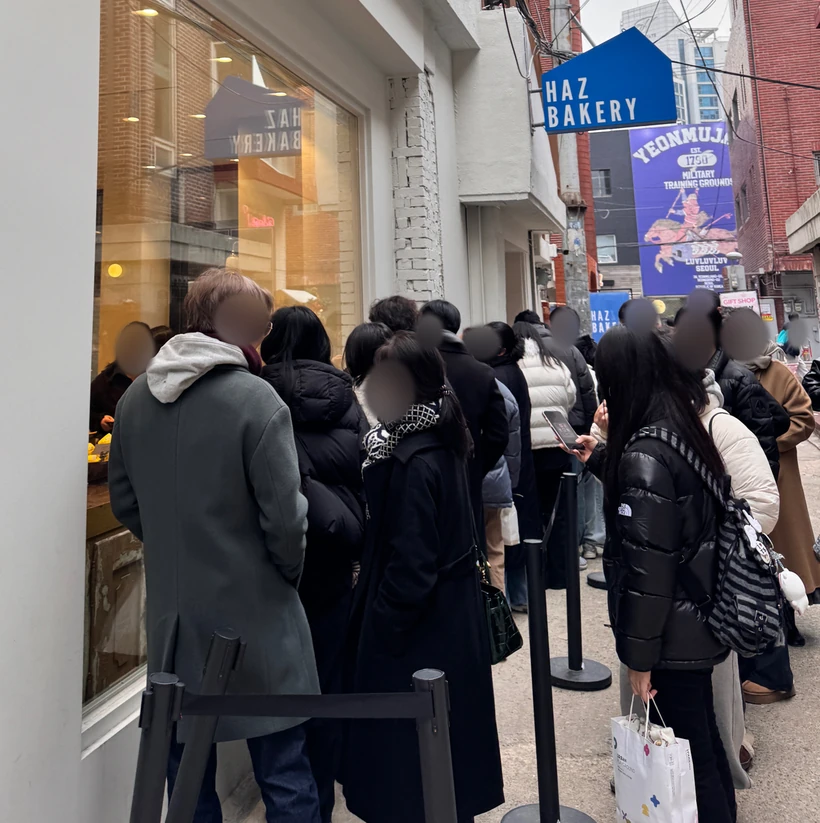
The short answer: pack layers, not one outfit for the whole month. For most visitors, that means a thin, comfortable base layer, a removable midlayer such as a sweater, fleece or cardigan, and a coat or jacket you choose after checking the forecast for your actual dates. Add a scarf, hat or gloves if the forecast or your plans call for long evenings outside, and wear broken-in shoes with good grip.
November weather in Seoul: climate averages vs your forecast
Climate averages help you plan. The forecast tells you what to actually pack. Keep the two separate.
| Figure or what it covers | Source | |
|---|---|---|
| Average daily low | 3.5°C (38°F) | WMO climate table, 1991–2020 |
| Average daily high | 11.9°C (53°F) | WMO climate table, 1991–2020 |
| Your trip dates | Expected temperatures, wind and rain | Korea Meteorological Administration (KMA) forecast |
These are 1991–2020 climate averages of daily lows and highs across the whole month, not a forecast and not the coldest or warmest a November day can be. They don't separate early and late November, so individual days can run colder or milder. The figures come from the WMO World Weather Information Service Seoul table, supplied by the Korea Meteorological Administration.
The official 2026 Seoul guidebook describes autumn (September to November) as warm days, cool nights and light-coat weather, and winter (December to February) as cold and dry. November is the last month of that autumn window, right before winter, which is why flexibility matters more than any single jacket.
The three-layer strategy
Use these three adjustable layers as a starting point.
- Base layer: a thin, comfortable top you'd happily wear alone in a warm café or museum.
- Midlayer: a sweater, fleece or cardigan that's easy to take off and carry. You'll adjust this one most.
- Outer layer: a coat or jacket matched to the forecast for your dates. If the forecast shows a cold spell, or you'll be outdoors for long evenings, bring a warmer option.
Expect to adjust between the street and heated indoor spaces. Subways, shops and museums can feel warm once you're inside, and hotel room heating varies, so easy-to-remove layers let you adjust between outdoors and indoors. Your cold tolerance and activity level matter too: if you're arriving from a warm climate, carry one extra layer. Your itinerary counts as well. A riverside walk or an open palace courtyard leaves you more exposed to wind than a day moving between cafés.
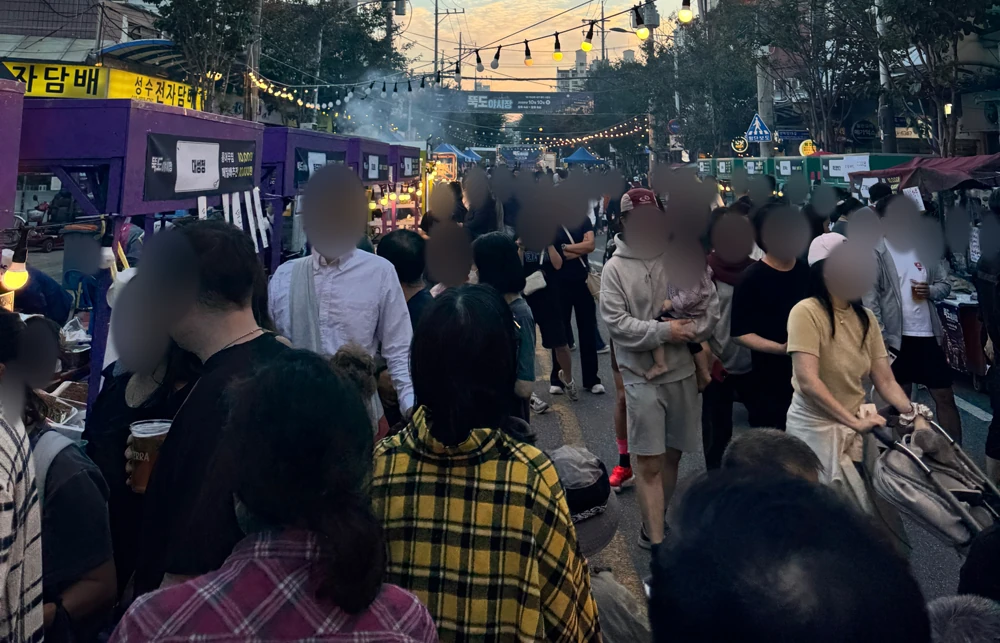
Early vs late November: a planning view
Treat this as a planning emphasis, not a promise about specific dates or weather. There's no fixed date in the month when it turns cold, so let the forecast for your dates decide.
| Early November | Late November | |
|---|---|---|
| Planning focus | Flexibility; lighter combinations may work on milder days | Closer to winter, so keep a warmer backup ready for cold mornings and evenings |
| Outer layer | Choose by the forecast | Choose by the forecast, with a warmer option ready |
| Accessories | Pack small, use if needed | Pack them; wear them if the forecast or your plans call for it |
Autumn photos online are not a promise of foliage or snow on any particular date.
Three outfit examples
1. A walking city day
Base top, midlayer and a forecast-matched outer layer, plus broken-in walking shoes. Choose a midlayer that folds into a day bag so you can peel it off in shops or on a warm subway car.
2. An evening by the Han River or a long time outdoors
This is where you add warmth. Keep the midlayer on, wear your warmest outer layer for the forecast, and bring a scarf, hat or gloves if the evening looks cold or windy. Our Han River cruise and parks guide helps you plan the route.
3. A café and museum day
You'll be inside most of the day, so dress for easy changes: a comfortable base layer, a light midlayer and an outer layer that's easy to carry. If rain is forecast, try our rainy day indoor plans.
Sample 7-day packing list
Use this sample as a starting point and adjust for your plans, laundry access and comfort. Check your airline’s baggage allowance before choosing a bag.
- 4–5 mix-and-match tops
- 2 midlayers (sweater, fleece or cardigan)
- 2 bottoms
- 1 outer layer selected by the forecast; swap in or add a warmer one if the forecast changes or you feel the cold easily
- 7 sets of underwear and socks, or fewer if you've confirmed laundry access (see our laundromat guide)
- Comfortable walking shoes
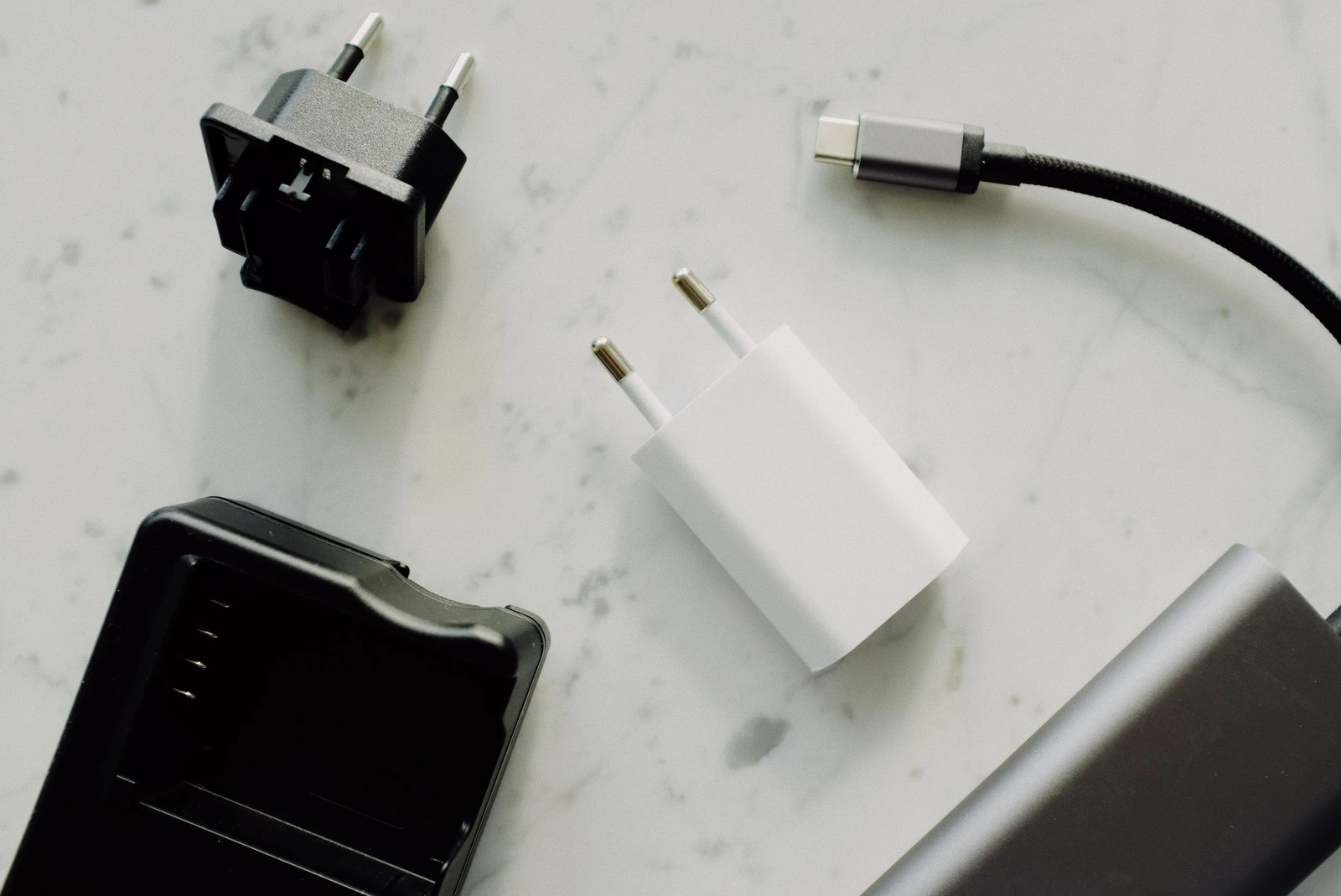
- A plug adapter if your chargers need one (see our South Korea plug adapter guide)
- Compact accessories: scarf, hat or gloves as needed, and a small umbrella if rain is forecast
Wearing your bulkiest layer while traveling can save space if you're comfortable that way, but it isn't a rule. Keep your first evening outfit easy to reach in your hand luggage so you're not unpacking everything on arrival night.
Shoes and weather accessories
Wear shoes you've already broken in, with good grip, and pack spare socks for long walking days. Don't assume every November day is dry: if rain is forecast, choose footwear that handles wet pavement. Snow boots aren't a default either; let the forecast decide.
Scarves, hats and gloves are optional, depending on the forecast and your comfort. Shopping in Seoul works as a backup, but don't count on finding an exact size or a specific coat in stock.
Planning a day hike? Use our Seoul mountain comparison to choose a route, then check its forecast and prepare proper hiking gear; this city list isn't a mountain safety guide. Visiting Busan or Jeju too? Check their own forecasts, since Seoul averages don't apply there.
Moving from November into winter
If your trip continues into December, January or February, plan a separate winter check rather than extending a mild November outfit. The WMO's 1991–2020 Seoul table lists average daily lows/highs of −3.4°C / 4.2°C (26°F / 40°F) in December, −5.5°C / 2.1°C (22°F / 36°F) in January and −3.2°C / 5.1°C (26°F / 41°F) in February. These describe the climate, not the limits of a cold spell or a forecast for your holiday.
For a winter city day, use a warm outer layer over removable insulation and a comfortable base. Pack gloves, a hat covering your ears, a scarf and socks that work with your walking shoes. If you use thermal clothing, choose a combination you can comfortably adjust indoors. Try the layers together before traveling rather than discovering that your coat is too tight over a thick sweater.
Compare three situations when packing: a daytime walk, an evening standing outside and a long indoor meal. You may need more insulation for a stationary riverside stop than for an active walk. Use the forecast's wind and precipitation information alongside its temperature; a sunny photograph does not establish how comfortable an exposed courtyard will feel.
On days with snow or freezing conditions, prioritize footwear with suitable grip and a secure fit. Avoid treating smooth fashion soles as winter walking equipment. Bring a spare dry pair of socks and choose a shorter route if conditions deteriorate. Winter mountain hiking needs a separate route forecast, appropriate equipment and experience; the clothing in this city guide is not a summit kit.
There is no need to buy a particular brand or a long padded coat simply because it appears in travel videos. Choose warmth, fit, weather protection and a way to remove layers. Shopping after arrival can fill a small gap, but arrive with enough clothing for your first evening and avoid relying on an exact size being available.
Check the forecast before you leave
Open the KMA short-term forecast and medium-term forecast in English, choose Seoul, and check whether your travel dates are within the displayed forecast range yet. If they are not, plan from the climate averages first and confirm your outer layer once forecasts cover your dates. Look at morning and evening temperatures, wind and rain, not just the daytime high. Check again shortly before you pack and on the morning of each outing.
Frequently asked questions
›Do I need a heavy winter coat in Seoul in November?
Not automatically. Choose your outer layer after checking the KMA forecast for your dates, then factor in your plans and how well you handle cold. If it shows a cold spell, or you'll spend long evenings outdoors, bring a warmer option; otherwise a coat or jacket over a removable midlayer usually gives you room to adjust.
›What is the average temperature in Seoul in November?
Based on 1991–2020 climate averages from the WMO, supplied by the Korea Meteorological Administration, the average daily low is 3.5°C (38°F) and the average daily high is 11.9°C (53°F). These are long-term averages, not a forecast or the coldest or warmest possible day, so check the KMA forecast for your trip.
›Will I see snow or autumn leaves in Seoul in November?
Neither is guaranteed on any particular date, and autumn photos online aren't a promise of what you'll see. Plan your clothing around the forecast for your dates rather than expected scenery.
›What shoes should I pack for Seoul in November?
Comfortable shoes you've already broken in, with good grip, plus spare socks for long walking days. If rain is forecast, choose footwear that handles wet pavement. You don't need snow boots by default; let the forecast decide.
›Does the November packing list work unchanged in January?
No. Recheck the forecast and plan warmer clothing and accessories for winter. Seoul's January climate averages are colder than November's, and individual cold spells can be more severe than monthly averages suggest. Keep the layers adjustable for heated indoor spaces.