Three Mountains to Hike in Seoul: Achasan, Inwangsan and Bukhansan
Compare Achasan, Inwangsan and Bukhansan for a Seoul hike: scenery, route choices, transit approaches, preparation and seasonal access checks.
You do not have to leave Seoul to add a mountain to your trip. The harder decision is choosing a walk that fits the rest of your day. A short climb above the Han River, a rocky city-wall route and a national-park summit are different outings, even when all three start within reach of public transport.
Our three recommendations are Achasan for a shorter first outing, Inwangsan for the city wall and central-Seoul views, and Bukhansan for a more demanding mountain day. These are choices, not three stops to combine in one itinerary. Pick one, identify the exact trailhead and leave enough energy for the descent.
Choose a mountain before choosing a summit
| Mountain | Why choose it? | A sensible first plan | What changes the difficulty? |
|---|---|---|---|
| Achasan, 아차산 | River views and a shorter commitment | Walk from the ecological-park side to a signed viewpoint, then return | Adding Yongmasan or continuing along the ridge makes a different trip |
| Inwangsan, 인왕산 | City-wall scenery near central Seoul | Select one signed ascent and return route | Exposed granite, stairs and slippery rock |
| Bukhansan, 북한산 | Bigger granite scenery and a dedicated hiking day | Choose a named park route matched to your experience | Summit approach, trailhead, elevation gain and conditions |
The difficulty descriptions here are editorial comparisons, not official trail grades. Neither a low mountain nor a short map distance guarantees an easy descent.
1. Achasan: start with a river-view outing
Achasan is our first suggestion if you want to try hiking without making a distant summit the main purpose of your Seoul visit. Its appeal is the change of perspective: the river and surrounding city open up as you leave the streets below.
The official Seoul visitor listing identifies approaches from Achasan Station and Gwangnaru Station on Line 5. Both involve a walk beyond the station; do not treat the platform exit as the trailhead. Search for Achasan Ecological Park, 아차산생태공원, and compare the walking route from your starting point in a map app.
For a first outing, choose a signed viewpoint as your destination and return along the approach you know. You can enjoy the setting without committing to every ridge marker. Stop at the entrance map and check whether the route you are following is a local mountain path or a longer Seoul Trail section.
This distinction matters because an attractive line on a map can continue toward Yongmasan. Adding that extension changes the distance and your exit point. If you are tired, the sky is closing in or the ground is slippery, the shorter return is a complete outing.
Choose a daylight walk for your first visit. Sunrise photographs do not tell you how the trail feels in darkness, and a river view is still worthwhile without a dawn start.
2. Inwangsan: city-wall views with real climbing
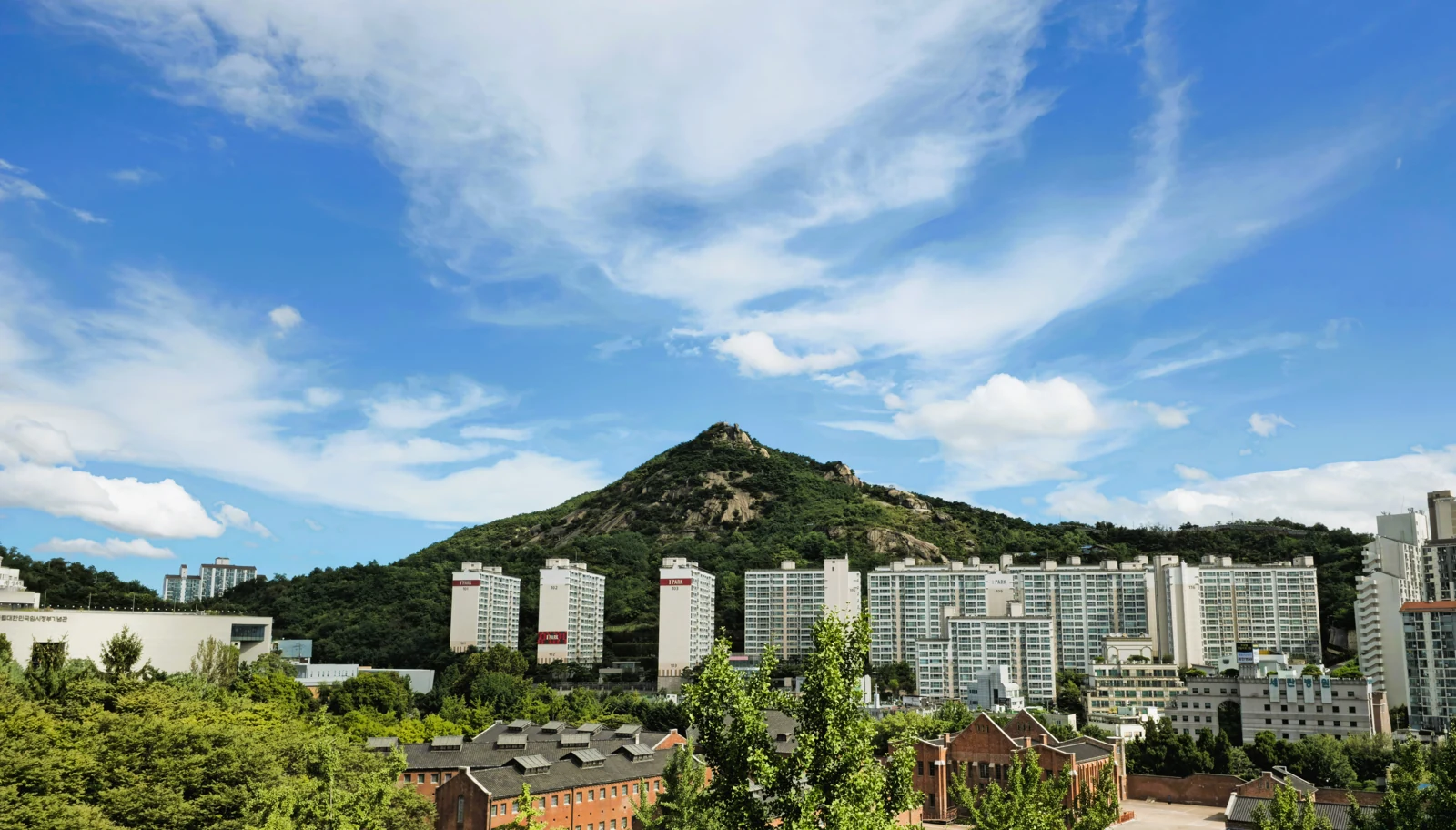
Inwangsan suits a day based around the older center of Seoul. The Seoul City Wall follows its ridge, giving the walk a different character from a forest-only trail. The Korea Tourism Organization's mountain introduction describes the granite landscape and views toward the historical center.
Dongnimmun Station on Line 3 is a useful area from which to plan an approach, but select the entrance before setting off. A station name is not a complete hiking route. Check the current city-wall map and choose a signed path rather than drawing the shortest straight line to the summit.
Inwangsan is compact enough to tempt visitors into squeezing it between other activities. Leave room for the climb, rests and the walk down. Our planning suggestion is to keep a half-day free around the outing, including transport and a meal; this is a scheduling allowance, not an official trail time.
The main caution is the terrain. Granite steps and open rock can be tiring on the ascent and awkward on the descent. Wet or icy surfaces change the decision even when the city below looks clear. If conditions are poor, choose a lower walk or a different activity rather than assuming the city-wall setting makes the summit a pavement stroll.
After descending, continue your city plans from the exit you actually reach. Avoid booking a tightly timed activity that depends on finishing the mountain at a particular minute.
3. Bukhansan: give the mountain its own day
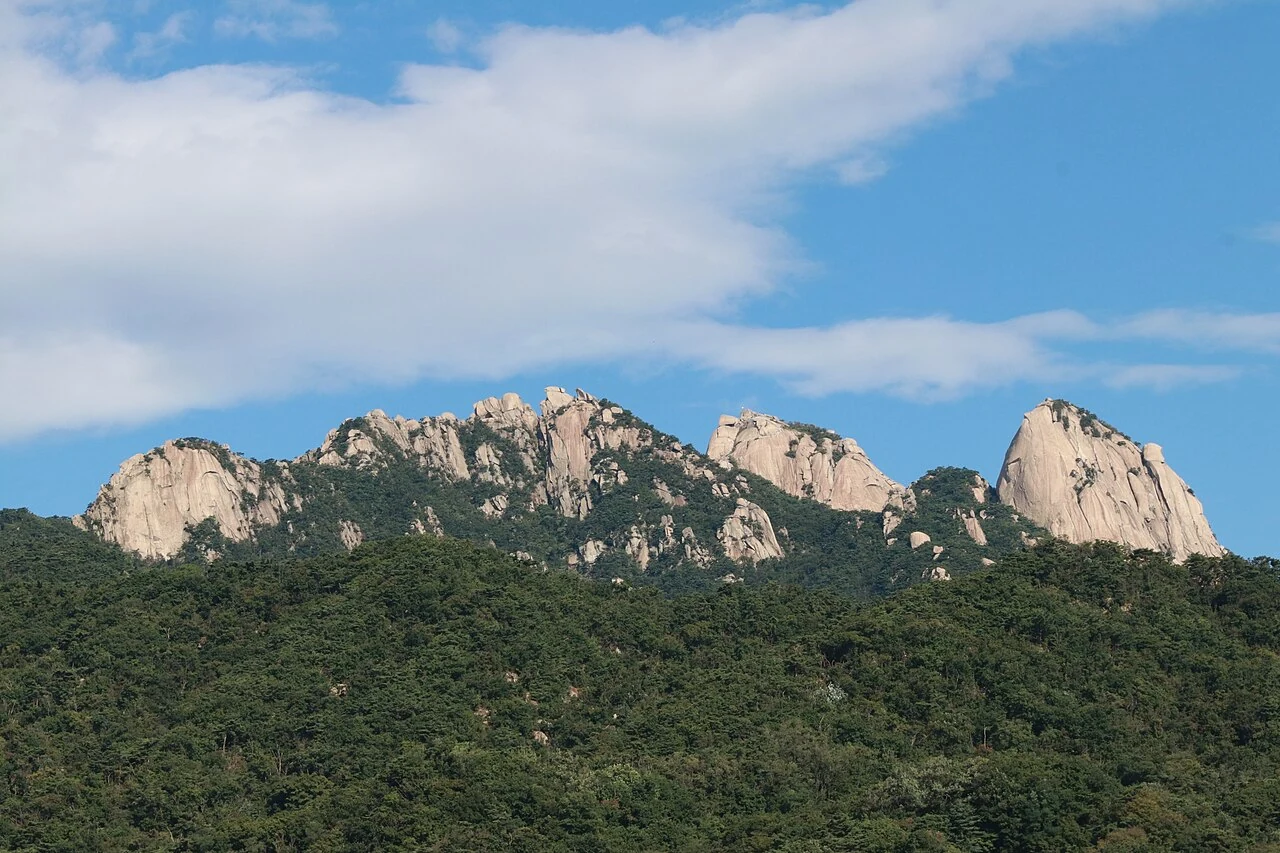
Bukhansan offers the most substantial mountain outing of these three recommendations. Its granite peaks make a striking contrast with Seoul, but the national park contains many routes. Baegundae is a summit objective, not a synonym for every Bukhansan walk.
Start with the Korea National Park Service route information. Match the route name, entrance and finishing point before checking transport. An approach through Bukhansan Ui Station on the Ui–Sinseol Line is different from an outing beginning on the Bukhansanseong side. Travel between entrances can add substantially to the day.
If you want Baegundae, look carefully at the rocky upper approach, your comfort with exposure and the descent conditions. A high step count on city holidays is not the same preparation as recent experience on steep mountain terrain. Do not make the final section obligatory because you have already traveled to the park.
A shorter signed route or a viewpoint below the summit can be a better choice for a first visit. Ask for a recommendation that matches your available daylight and recent hiking experience, rather than asking only for the most famous peak.
The Seoul Hiking Tourism Center's Bukhansan branch is a useful planning resource. Confirm its opening day, rental availability, fees and return deadline before relying on borrowed equipment. Collecting gear and reaching a distant entrance both take time.
What to check the evening before
Check a forecast for the mountain itself, current trail notices and your return transport. Use the weather information linked from your park's official page and check elevation-specific warnings rather than relying only on the nearest city forecast. A Seoul neighborhood forecast is useful for getting dressed in the morning, but it does not settle conditions on an exposed ridge.
For Bukhansan, use KNPS notices to check the particular route. Seasonal fire-prevention restrictions, weather controls and maintenance may affect individual sections. A park being partly open does not establish that your intended summit approach is open. For Achasan and Inwangsan, read current local notices and the signs at the entrance.
Bring water, food, a charged phone, an offline route reference, a headlamp and layers suited to the conditions. Wear footwear with a secure fit and useful traction. A headlamp is a backup, not a reason to plan your first descent in darkness. In icy conditions, take the relevant winter equipment and experience or choose a lower outing.
Tell someone your intended route and return time. If you need emergency assistance in Korea, call 119 and give the location number on the nearest trail marker if available.
A simple way to fit a hike into your Seoul trip
Choose Achasan when you want a shorter introduction and river scenery. Choose Inwangsan when the city wall is part of the attraction and you are comfortable with steps and rock. Choose Bukhansan when you can give the mountain a full day and select an appropriate route.
Keep a flexible alternative. Our rainy-day Seoul plans are useful when a ridge walk no longer fits the conditions. For transport, read the Seoul subway guide and map-app comparison.
Photo credits
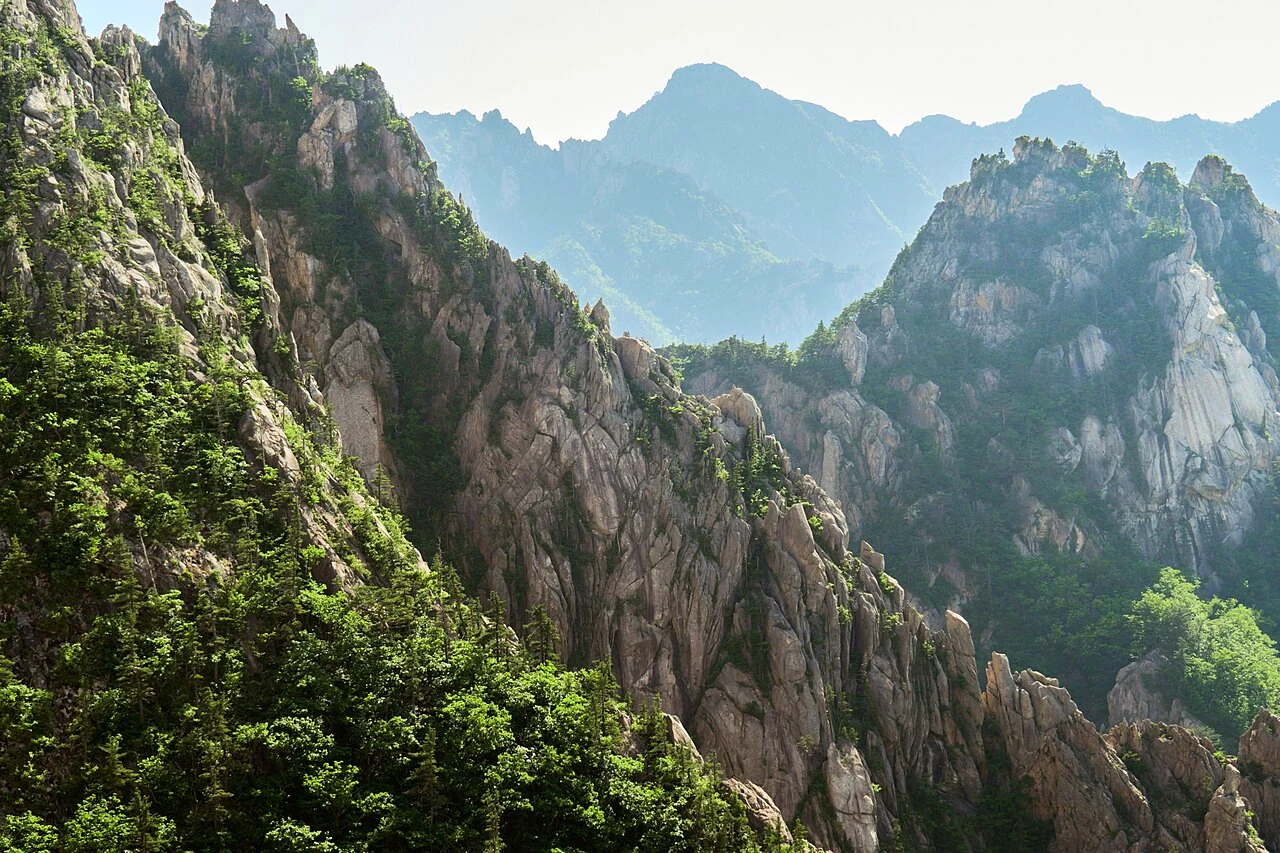
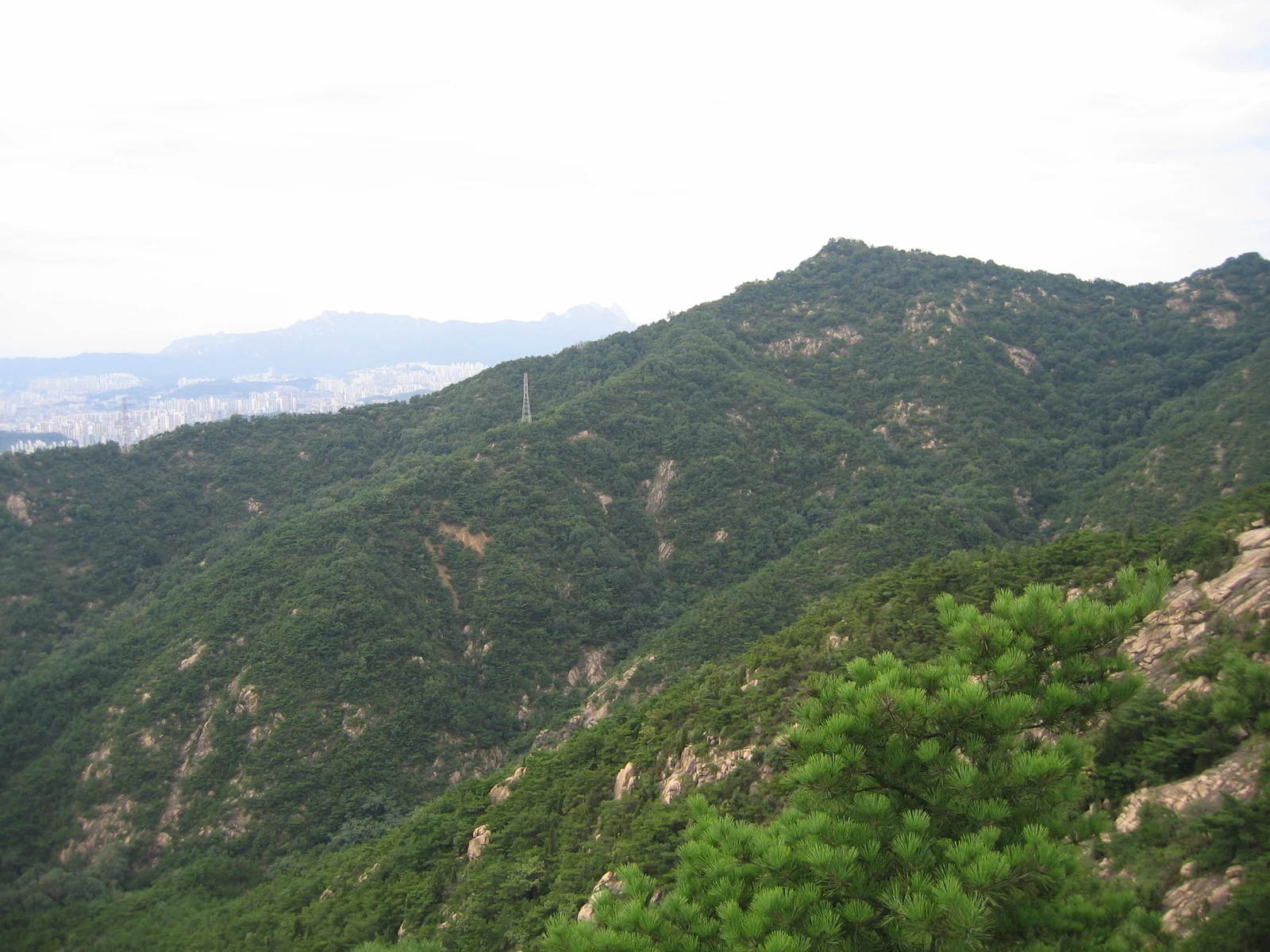
These photographs show different seasons; they do not indicate current trail conditions.
- Achasan: Straitgate, CC BY-SA 3.0. Resized. The image remains available under this license.
- Inwangsan: MonasteryInwang, CC BY-SA 4.0. Resized. The image remains available under this license.
- Bukhansan: Jo Hanshin, CC0. Resized. The image remains available under this license.
Frequently asked questions
›Which of these mountains should a first-time hiker choose?
Achasan is our first suggestion for a shorter introduction, using a signed viewpoint-and-return plan. Your fitness, footwear, weather and chosen path still matter. Do not add a longer ridge extension just because other walkers continue.
›Can I hike all three mountains in one day?
This guide recommends choosing one. Each has different entrances and terrain, and travel plus descent time matters. Bukhansan in particular deserves its own hiking day rather than becoming the last stop in a sightseeing schedule.
›Is Bukhansan Ui Station the Baegundae trailhead?
Not exactly. It serves the Ui side of the park, where some routes toward Baegundae begin, but the station is not a trailhead. Choose a named route, check the walk from the station to its actual entrance, and remember that other Bukhansan approaches start elsewhere.
›Are these suitable for winter hiking?
Winter suitability depends on the exact trail, closures, ice, wind and your equipment and experience. None of the three is automatically safe because it is in Seoul. Choose another activity when the conditions exceed your preparation.