Korean Winter Street Food: Five Warm Snacks to Try
Five Korean winter snacks, how to order them, what to ask about prices and payment, and how to fit a warm snack stop into your trip.
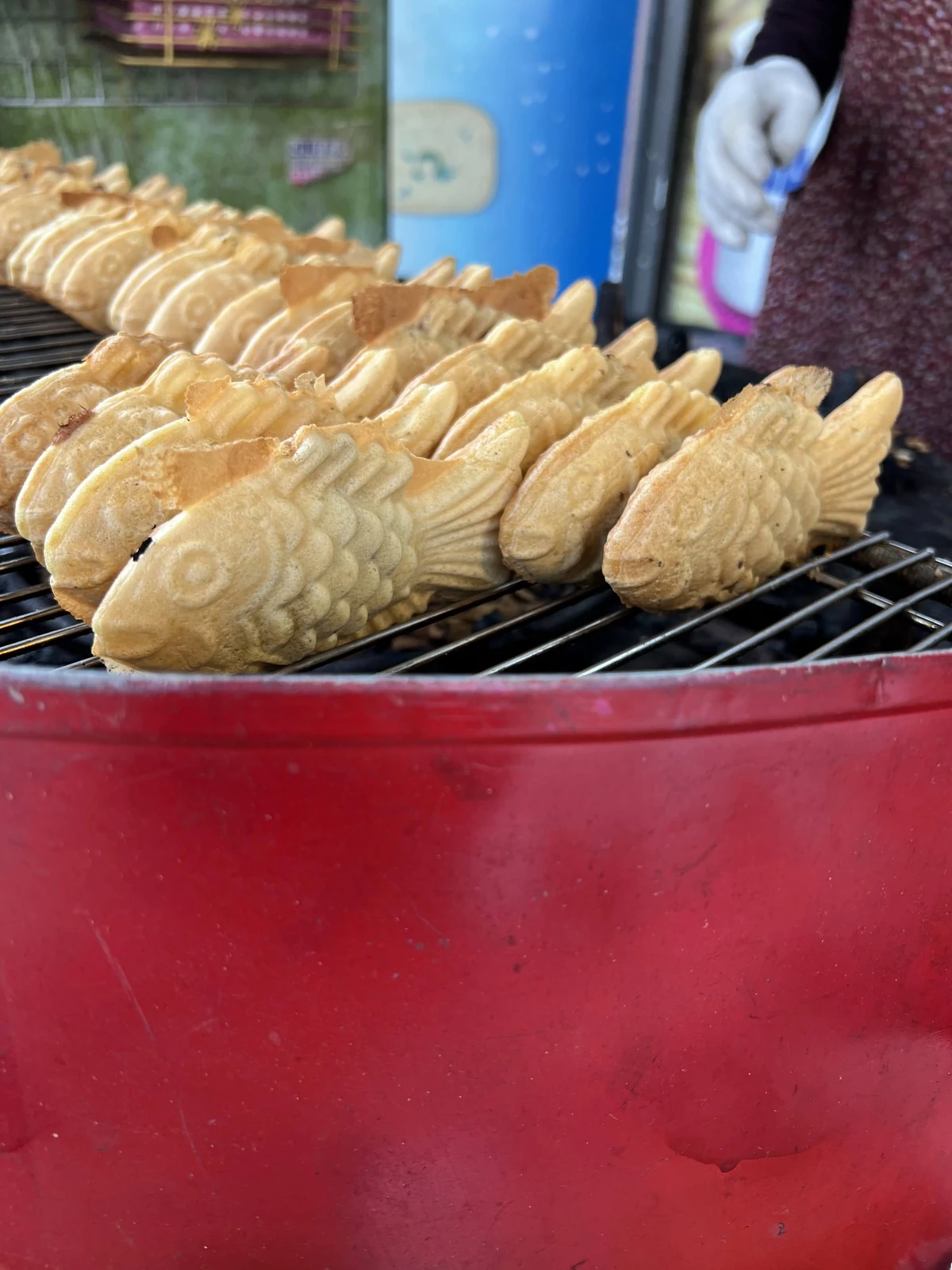
If you’re in Korea during the cold months, look for five warm snacks: bungeoppang (a fish-shaped pastry), hotteok (a syrup-filled pancake), eomuk (fish cake in broth), gungoguma (roasted sweet potato) and gunbam (roasted chestnuts). You can order all of them with a few simple words and some pointing. Before you buy, sort out four things: sweet or savoury, how many pieces you want, the price, and whether the stall takes cards.
Why winter changes what you find on the street
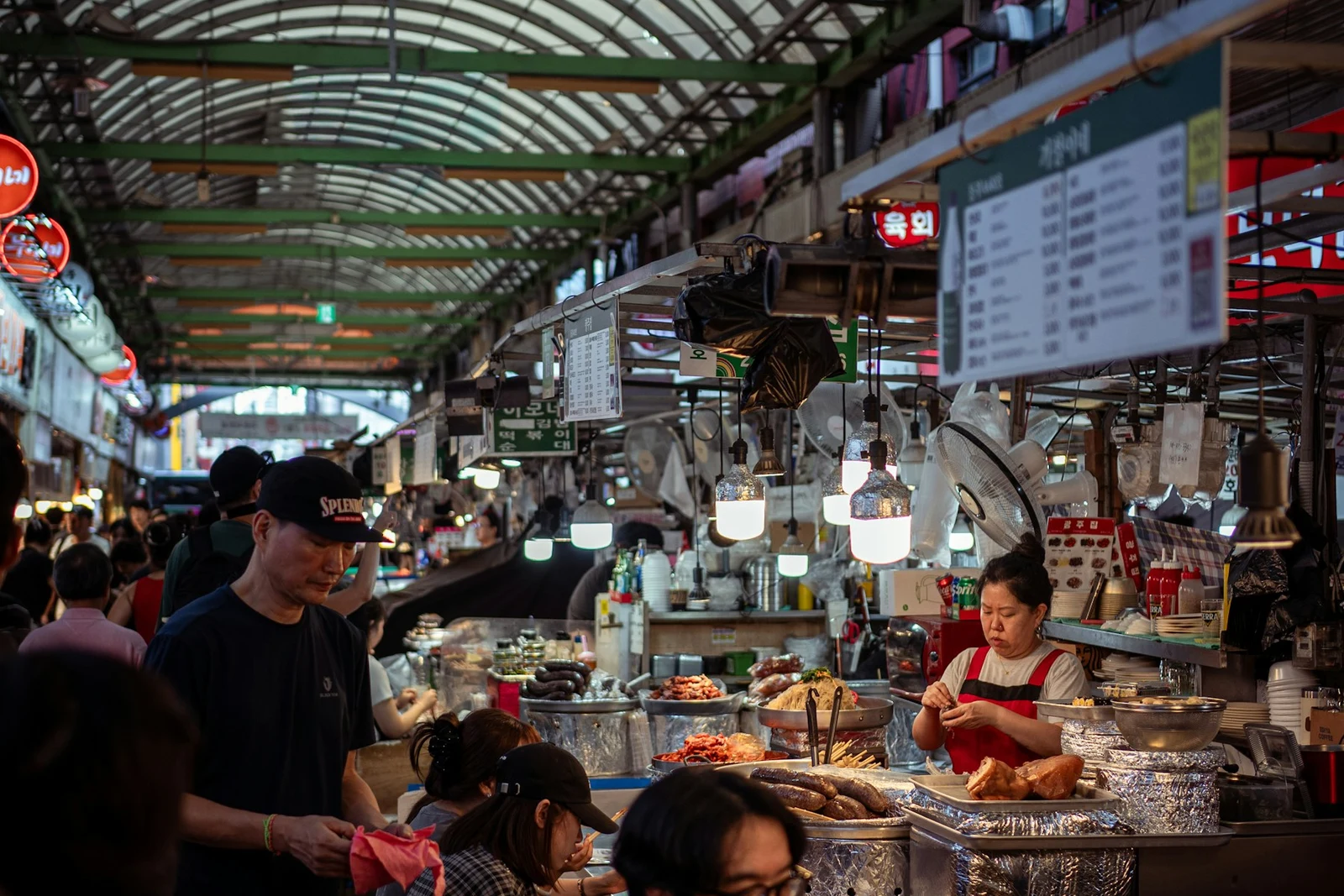
Korea’s official tourism site treats warm street snacks as part of the winter season in its guide to Korean winter dishes. Many of these foods are cooked to order on griddles, in moulds or over heat, and they taste best eaten right away. Stalls come and go with the weather and the vendor’s schedule, so treat any spot you find as a lucky discovery rather than a fixed address. Busy subway exits, market entrances and university areas are good places to start looking.
The five snacks and what to expect
1. Bungeoppang (붕어빵)
Bungeoppang is a crisp pastry baked in a fish-shaped mould. The fish shape comes from the mould. The classic sweet version contains red bean paste, but the shape alone does not establish the ingredients. Other fillings, including custard cream, may be available. Fillings vary from stall to stall, so ask or read the sign before you choose.
2. Hotteok (호떡)
Hotteok is a flattened, pan-fried dough pancake with a sweet, syrupy centre. The syrup can be extremely hot, so let it cool for a moment and hold the pancake in the paper or cup it’s served in. Some stalls make variations with different fillings.
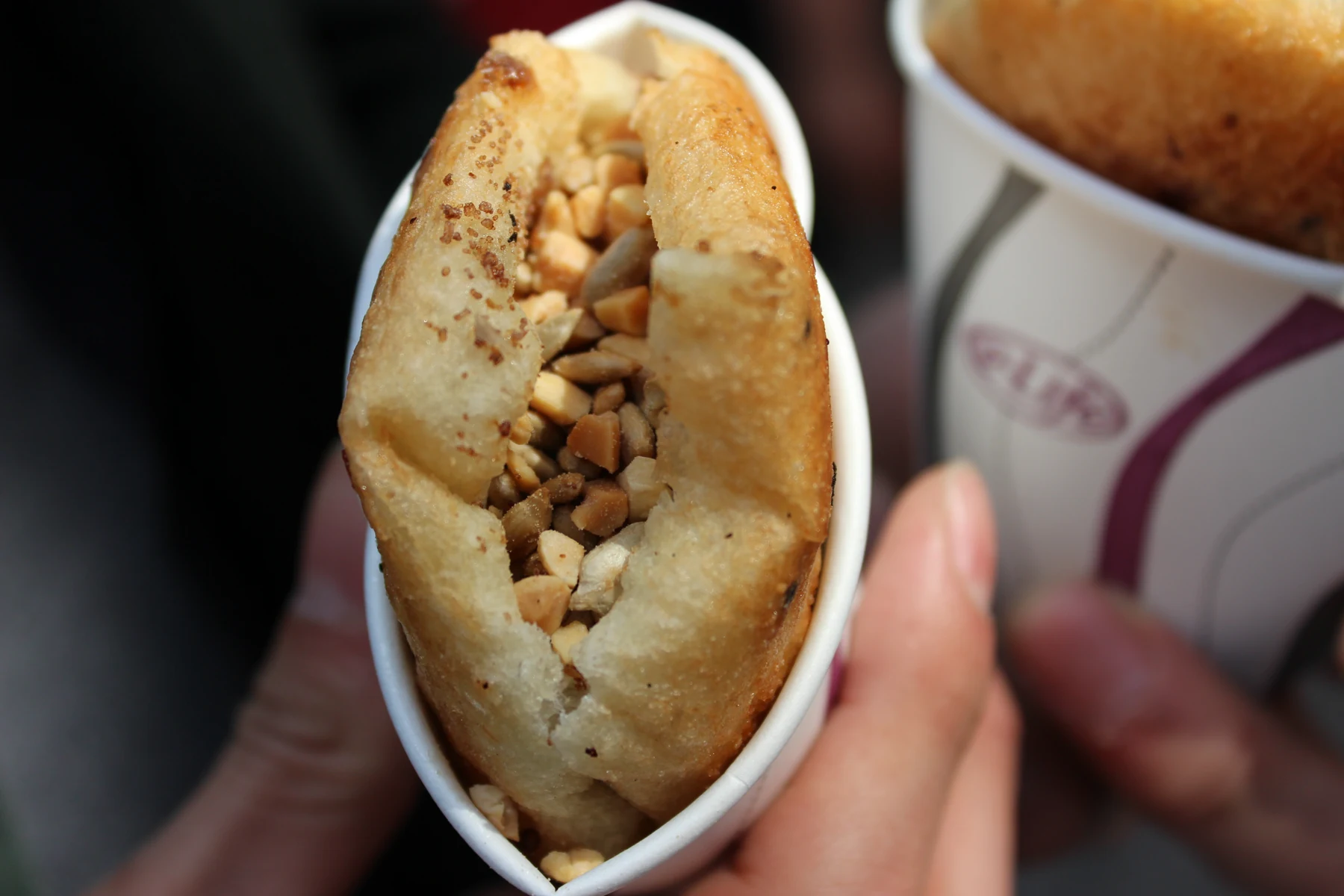
3. Eomuk (어묵)
Eomuk is fish cake, usually threaded on skewers and kept warm in a pot of broth. It’s the obvious savoury choice when the sweet snacks feel like too much. Each stall runs things its own way. At some you pick up skewers yourself and pay for them afterwards, so watch what other customers do or ask before helping yourself.
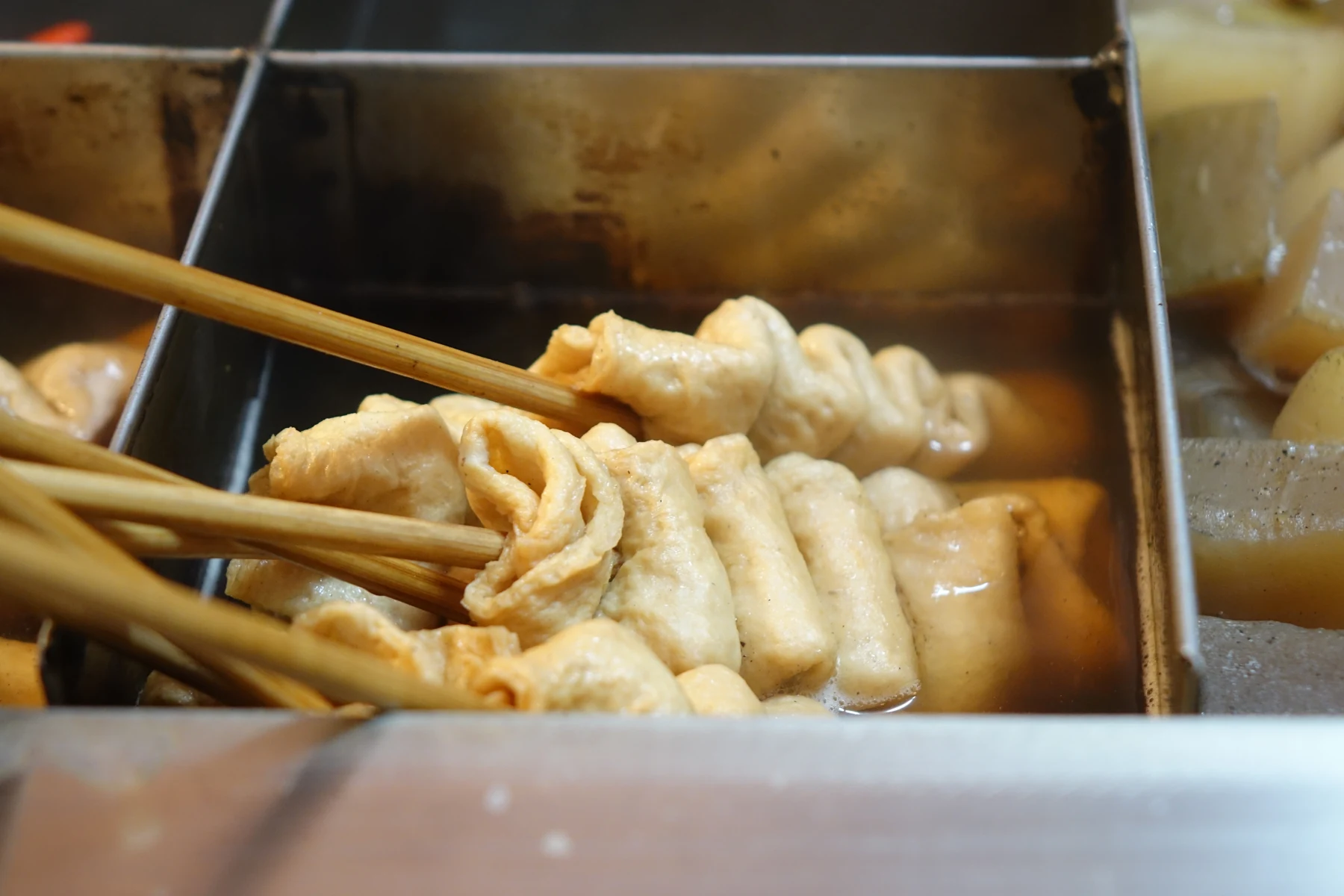
4. Gungoguma (군고구마)
Roasted sweet potatoes are a classic cold-weather snack. They are soft, naturally sweet and good for warming your hands. Korea.net’s overview notes that roasted sweet potatoes and chestnuts are traditional winter street foods. Depending on the seller, they may be sold by the piece or by the bag.
5. Gunbam (군밤)
Roasted chestnuts usually come in a small paper bag. They are easy to share and easy to carry while you keep walking. If the shells are scored, peel along the cut.
Sweet or savoury: how to choose
If you want something sweet, start with bungeoppang or hotteok. If you want something savoury and warming, eomuk is the natural pick. Sweet potatoes and chestnuts fall in between: mildly sweet, filling and less sugary than a pastry. If you’re trying several in one outing, alternating sweet and savoury keeps it from getting heavy.
How to order
Pointing works well, and these short phrases help:
- 이거 얼마예요? (Igeo eolmayeyo?) — “How much is this?”
- 하나 주세요. (Hana juseyo.) — “One, please.”
- 두 개 주세요. (Du gae juseyo.) — “Two, please.”
- 카드 돼요? (Kadeu dwaeyo?) — “Can I pay by card?”
Some snacks are sold singly and others in sets or bags, so confirm the portion size before you pay. If there’s a queue, have your choice ready when you reach the front.
Check the price and payment method first
Prices change with the season, the location and the size of the portion, so ask before you order rather than going by what you paid somewhere else. Payment options differ too. Some stalls take cards and some only take cash. A sign with a bank account number may refer to a Korean bank transfer. Do not assume you can use it with your overseas banking app. Small banknotes make life easier. For more on handling money, see our guide to cash vs card in Korea.
Allergies and dietary needs
Recipes and fillings vary between vendors, and you usually can’t tell from appearance what’s in a batter, broth or filling. Don’t assume a snack is vegetarian, vegan or allergen-free because it looks plain. If you have a serious allergy or strict dietary rules, ask the vendor directly, use a translated allergy card, or skip the snack if you can’t confirm.
Making the most of a cold-weather snack walk
Pair street food with a market visit. Our Seoul markets guide covers places where you can browse and snack in the same trip. Dress for standing outside, since you’ll often eat on the spot. Gloves that come off easily and a warm layer you can unzip help. Our guide to what to wear in Seoul in November has more tips. Carry a small bag for wrappers, because street bins can be hard to find.
Frequently asked questions
›Is there fish inside bungeoppang?
The classic sweet version is filled with red bean paste, rather than fish. The fish shape does not guarantee a recipe, so check the ingredients of the version you order.
›Can I pay for street food with a card?
Sometimes. Some stalls take cards and others take only cash, so ask “Kadeu dwaeyo?” (Can I pay by card?) before ordering and keep some small notes with you.
›Which snack should I try first?
For a sweet start, try bungeoppang. If you’d like something savoury and warming, go for eomuk. If you want a simple, filling snack to carry, a roasted sweet potato is a good choice.