Your First Korean Fish Market: Choose Seafood and Understand the Whole Bill
Visit a Korean fish market with clear questions about seafood units, restaurant charges, preparation and the total bill before you order.
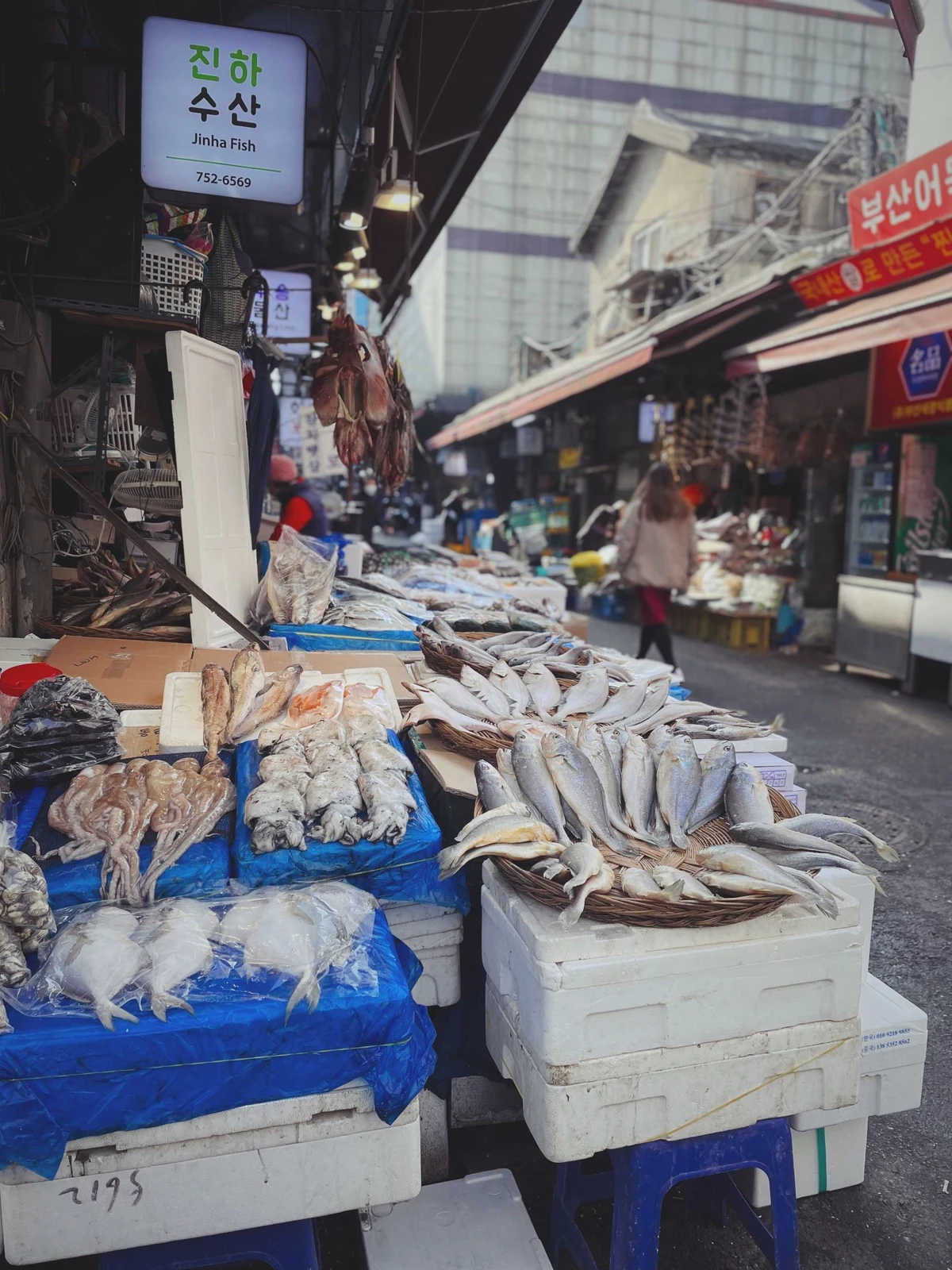
Start by choosing the kind of meal
Decide whether you want sliced raw fish, cooked seafood or a look around the market followed by a straightforward restaurant meal. You do not have to buy a whole fish or a large crab to enjoy visiting.
If your group has different preferences, settle those first. One person wanting a small cooked lunch and another expecting a large raw-fish platter can make ordering confusing. Agree on a rough total budget and how much you want to eat.
At Noryangjin Fisheries Wholesale Market, the Korea Tourism Organization's market listing identifies seafood sales areas and restaurants at 674 Nodeul-ro, Seoul. Consult the market operator and the individual business for current access and hours. An auction schedule or late-night trading section does not mean every restaurant will serve when you arrive.
At the stall: establish the unit
Point to the seafood you are considering and ask how the price is calculated. A number on a sign is not useful until you know what quantity and preparation it buys.
If sold by weight, ask to see the weight and the resulting total. Confirm the species or item, the amount and whether cleaning or slicing is included. If a vendor suggests taking your purchase to a restaurant, ask which restaurant and how its charges will be confirmed.
It is reasonable to pause and compare offers before preparation begins. Once you have agreed to buy and the seafood is being prepared, changing the order becomes more complicated. Take your time at the decision stage rather than trying to unravel the bill at the table.
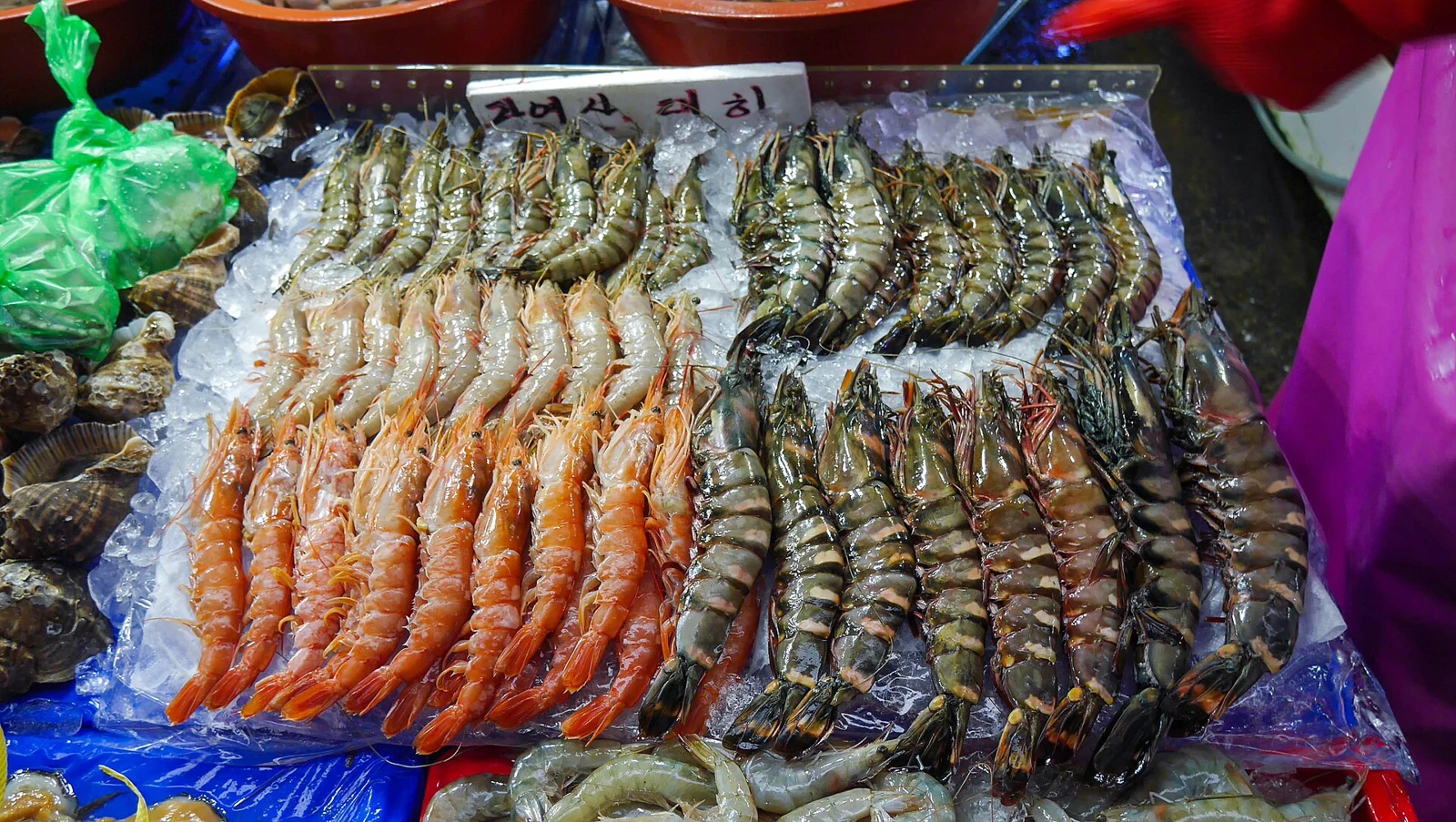
Check the restaurant quote before buying
A seafood quote may cover the purchase at the stall while the restaurant bills for seating, accompaniments and preparation. Ask the actual restaurant what applies to your order; do not assume the vendor's quoted amount includes the meal downstairs or upstairs.
Use this checklist for your own quote. A blank item needs an answer; put zero only when the business confirms there is no charge.
| Part of the bill | Question to ask | Record |
|---|---|---|
| Seafood | Is this price for the whole order, or a unit of weight? | Agreed quantity and total |
| Table setting | Is there a charge per diner, and what does it include? | Charge multiplied by applicable diners |
| Preparation | Is slicing, steaming or grilling extra? | Quoted charge and its unit |
| Soup and sides | Is soup optional, and are rice or other dishes extra? | Items you actually choose |
| Drinks and extras | What else will appear on the restaurant bill? | Final additions |
Three phrases worth saving
Show the question in writing if pronunciation is difficult. A clear answer on a menu, calculator or phone screen can help both sides confirm the same number.
- 이 가격은 1킬로그램 기준인가요? Is this price per kilogram?
- 상차림비는 1인당 얼마인가요? How much is the table-setting charge per person?
- 조리비까지 모두 얼마인가요? What is the total including the cooking charge?
Our restaurant ordering guide covers more general ordering questions. Keep your stall receipt or order details until the meal is finished, especially if you pay the seafood vendor and restaurant separately.
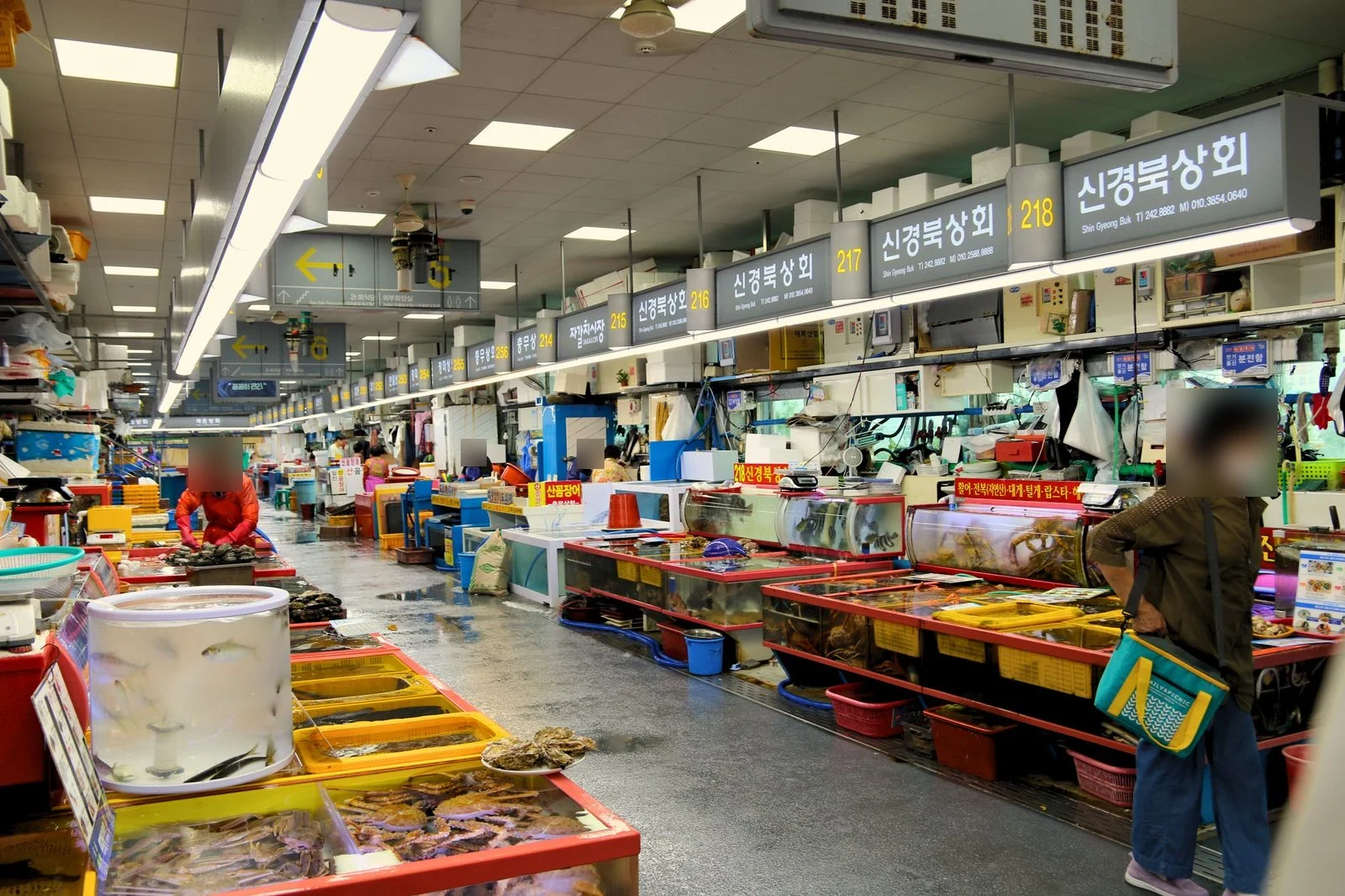
Raw or cooked: ask for the preparation you want
Do not assume every purchase must be eaten raw. Ask whether the seafood you chose can be steamed, grilled or prepared another way, and what that changes about the price and waiting time.
If someone in the group has an allergy or dietary restriction, ask about sauces, stock and shared preparation as well as the main seafood. If the business cannot explain a requirement that matters to you, choose another meal where the ingredients and preparation can be clarified.
When the food arrives, check that it matches what you ordered. Ask promptly if you are unsure which dish is included or optional. Avoid accepting additional dishes simply because you assume they must be free.
Noryangjin and Jagalchi are examples, not one system
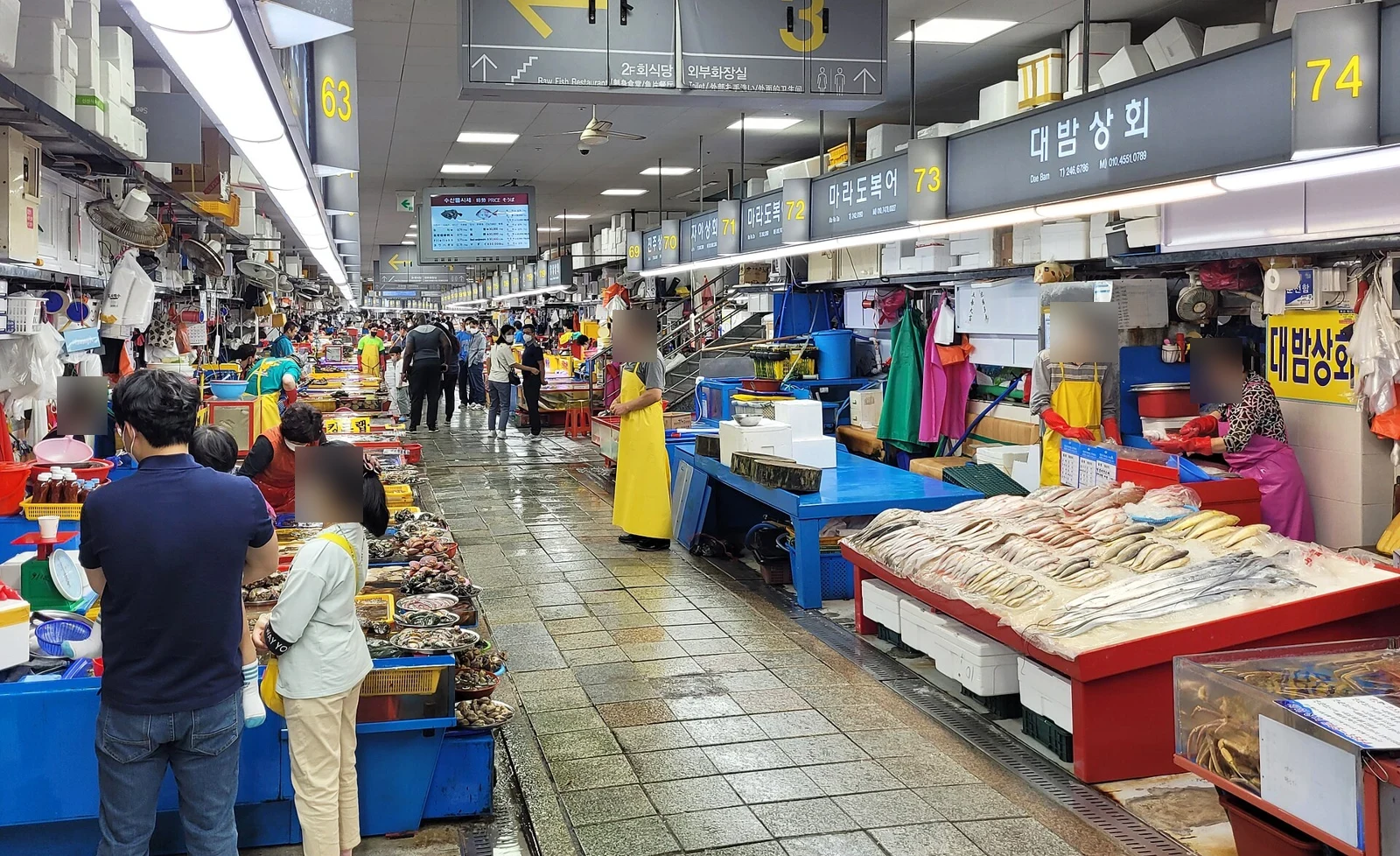
Jagalchi in Busan, pictured below, is another well-known seafood-market area. You may encounter a market purchase, a restaurant menu or different combinations of the two. Ask each business how its own service works rather than carrying over a price or rule from Seoul.
If you are heading to Busan, our two-day Busan guide can help place a market visit within a wider itinerary. Leave time for a meal and the onward journey; a market is less enjoyable when you are watching the clock for a train.
For the simplest visit, look around first and choose a restaurant with a menu you understand. For a stall purchase, agree the complete meal cost before preparation. Either approach can make a satisfying first experience.
Frequently asked questions
›Does the seafood price include eating at a restaurant?
Not necessarily. Ask the vendor and restaurant what each quote includes, including table setting, preparation and extras.
›Is there one standard table-setting fee?
No universal fee is quoted here. Ask the restaurant for its current charge and whether it applies per person.
›Do I have to eat raw seafood?
No. Ask which cooked preparations are available for your chosen seafood, or choose a restaurant meal instead of a stall purchase.
›Are all fish-market businesses open around the clock?
No. Sections, vendors, restaurants and auctions can have different hours. Check the business you intend to use.
Sources and updates
Last edited on November 19, 2026. Sources support the specific details discussed in the guide; check the provider for current prices, availability and eligibility.