Emergency Numbers and Help Lines in Korea
The Korean emergency numbers worth saving before you need them: 112, 119, the 24-hour 1330 tourist line with English, and who to call for what.
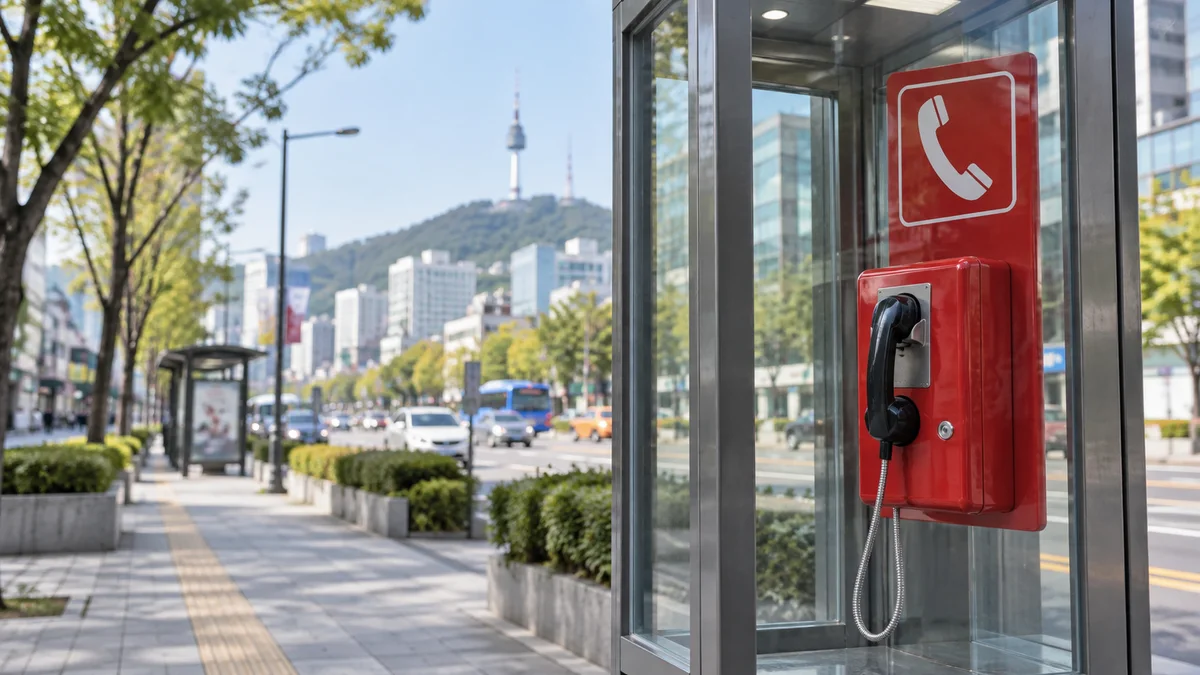
Nobody plans to need this page, which is exactly why you should skim it once and save two or three numbers in your phone today. Korea's emergency infrastructure is fast and well-run — the only real barrier is knowing which number does what.
The short version
- 119 — fire, ambulance, rescue. The one to call when someone's hurt.
- 112 — police: crime, theft, harassment, accidents.
- 1330 — Korea Travel Helpline: multilingual tourist information, interpretation and help connecting with related public services.
For an immediate threat to life or property, call 112 or 119 first. From a phone connected to a Korean mobile network, dial the short number without a country or area code. Regular phone or data charges may apply to 1330 depending on how you contact it.
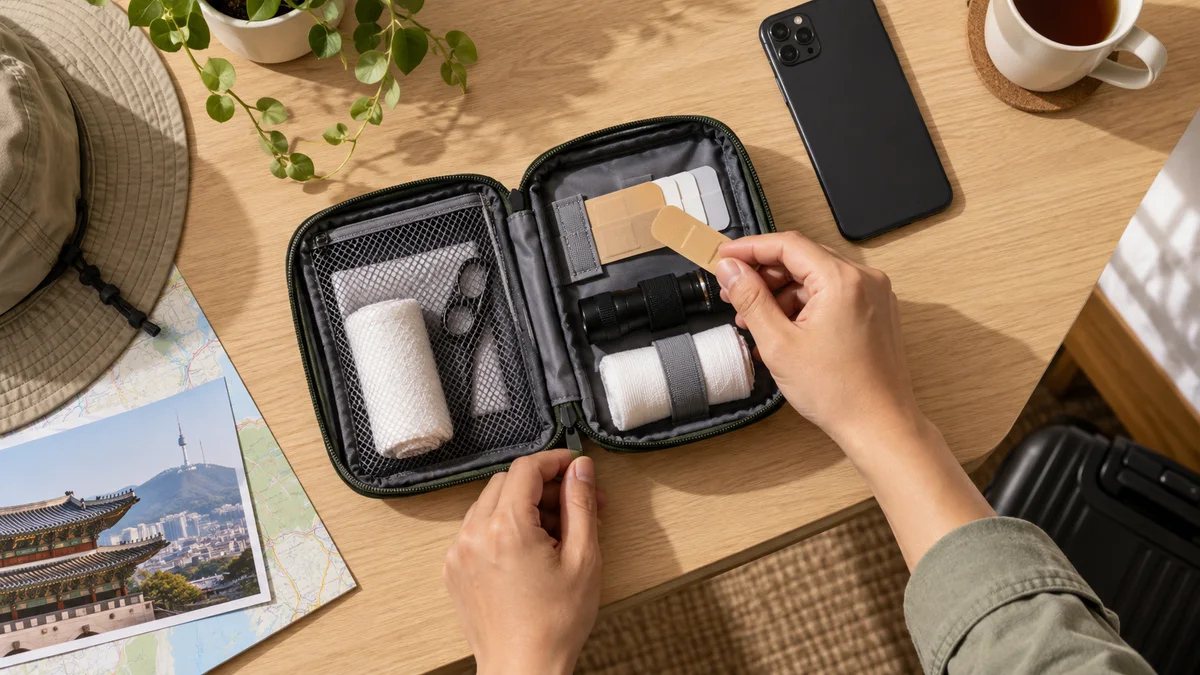
How it actually works
119 (fire & medical). One number covers ambulances, fires and rescue. Operators dispatch first and sort details later; interpreter support is available if you say "English." Public ambulance transport is free — you pay only for hospital treatment afterward.
112 (police). For crimes in progress, theft, scams, lost passports involving theft, or any situation where you feel unsafe. Interpretation can be arranged on the line. For non-urgent lost property, your odds are better at the subway or facility's own lost-and-found first — Korea has a famously effective lost-item culture.
1330 (Korea Travel Helpline). This is a tourism and interpretation service, not a substitute for an emergency number. It can help with directions, transportation, tourism complaints and interpretation, and can connect callers with related public services. Korea Tourism Organization currently lists Korean, English, Japanese and Chinese assistance as available 24/7; hours for other languages are more limited.
Other numbers worth knowing
- 120 — city government call centers (Seoul's "Dasan" line), with foreign-language support for civic questions: trash rules, transit cards, city services.
- 1345 — the Immigration Contact Center, for visa and residence questions, with multilingual staff. Long-stayers will use this one; context in our residence card guide.
- 1339 — the Korea Disease Control and Prevention Agency call center for infectious-disease information, vaccination guidance and related health questions. For an urgent medical emergency or ambulance, call 119, not 1339.
- Your embassy — look up and save your embassy's emergency (after-hours) number now; it's the number for lost passports, arrests and serious incidents.
Common misconceptions
- "I should find a police box instead of calling." Police substations (지구대) are everywhere and helpful, but calling 112 gets units dispatched to you — faster in a real emergency.
- "Emergency alerts on my phone mean danger." Those loud Korean text blasts are usually weather advisories, missing-person notices or drills. Install the government's Emergency Ready App to get them translated to English — see our essential apps list.
- "Hospitals won't take me without Korean insurance." Emergency rooms treat first and bill after; travel insurance or cash both work. More in our doctor visit guide.
Good to know
Write your accommodation's Korean address in your phone's notes today. Every one of these calls goes smoother when you can read out (or show) exactly where you are — and Naver Map can display your current address in Korean at any moment.
Frequently asked questions
›Will the 119 or 112 operator speak English?
Not always immediately, but interpretation is available. Say "English, please" or "Interpreter, please," give your location, and stay on the line. For a threat to life or property, call 112 or 119 first rather than delaying the emergency call.
›Do these numbers work from a foreign phone?
From a phone connected to a Korean mobile network, dial the short number directly without a country or area code. If your phone cannot connect, ask a nearby person, hotel, shop or station employee to call immediately.
›How much does an ambulance cost in Korea?
Public 119 ambulances transport you to an emergency room free of charge — the hospital treatment itself is what you pay for (or your insurance does). Never hesitate to call 119 over cost worries.
Sources and updates
Last edited on September 11, 2026. Sources support the specific details discussed in the guide; check the provider for current prices, availability and eligibility.