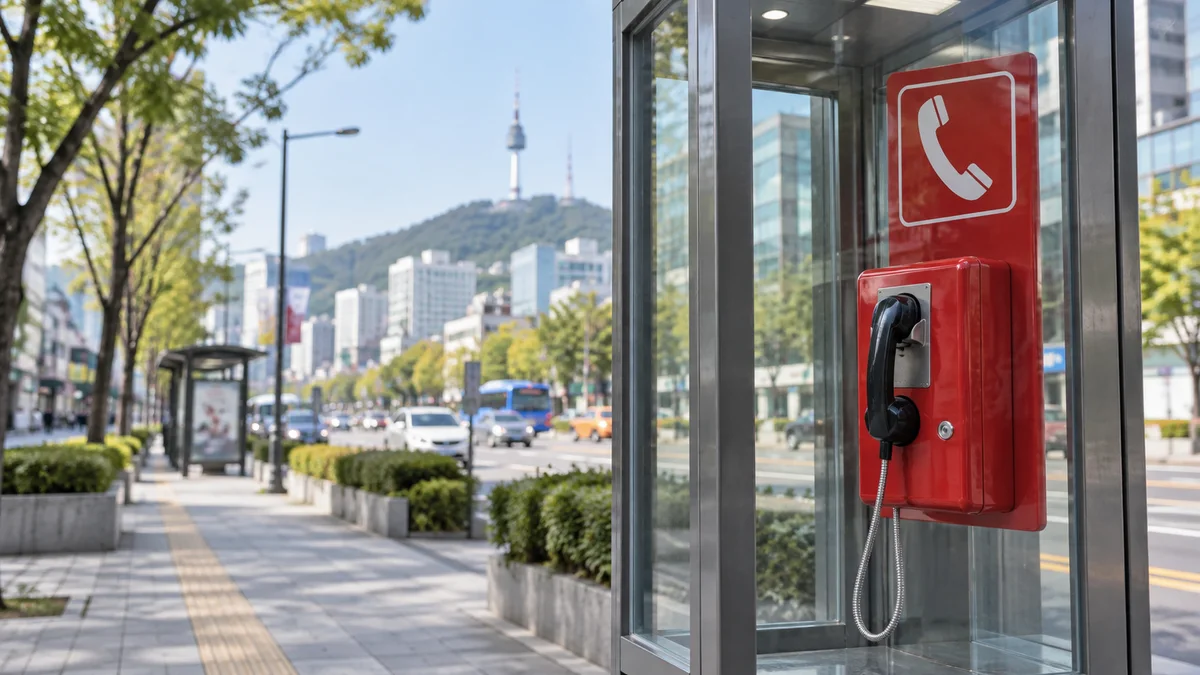
Is Korea Safe? An Honest Answer for Visitors
South Korea is generally safe for visitors, but normal precautions still matter. Here are the risks, emergency resources, and practical tips to know.
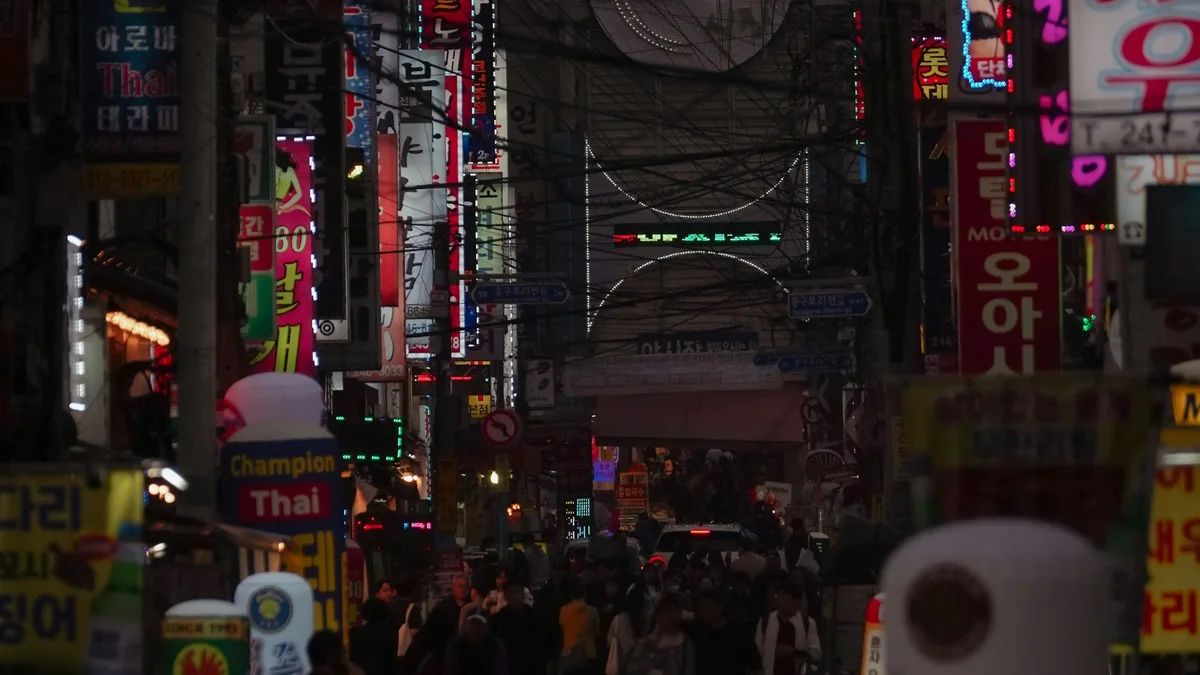
South Korea is generally a comfortable destination for visitors, but "safe" should never mean switching off your normal judgment. This guide separates the everyday risks worth planning for from the dramatic headlines that often shape expectations before a trip.
The short version
The current U.S. travel advisory for South Korea is Level 1: exercise normal precautions, and UK travel guidance says crime against foreigners is rare. That is reassuring, not a guarantee. Protect your passport and valuables, keep drinks in sight, use licensed transport at night, avoid demonstrations, and pay close attention to traffic and severe-weather alerts.
How it actually works
Why it often feels safe. Public transport is widely used into the evening, many commercial streets remain active late, and police and emergency services are easy to contact. You may see locals leave a phone or bag at a cafe table, but visitors should still keep passports, wallets and devices with them.
Crime is uncommon, not absent. Official travel guidance notes occasional theft and cases of assault, including sexual assault, particularly around bars and nightlife areas. Keep bags closed in crowds, watch your drink, use legitimate taxis or public transport, and call 112 if you are threatened or a crime occurs.
The real hazards are unglamorous:
- Traffic. Delivery motorbikes use sidewalks and crosswalks with commitment; cars turn right through crossings. Look both ways even on a green man, and give scooters right of way they legally don't have but will take anyway.
- Weather. Heavy rain and flooding can occur during the summer rainy season, usually in June and July, while the broader typhoon season can extend from June to November. Follow Korea Meteorological Administration forecasts and government emergency alerts; English alerts are available through the National Disaster and Safety Portal and the Emergency Ready app.
- Alcohol. Korean drinking culture is warm, generous and cumulative. Soju's sweetness disguises its efficiency. Pace yourself; every convenience store sells hangover remedies for a reason.
- Hiking. Korea's mountains are beautiful, extremely accessible and occasionally underestimated — proper shoes and daylight margins for anything beyond a neighborhood trail.
Common misconceptions
- "Tension with North Korea never affects visitors." Daily life usually continues normally, but tensions and civil-emergency instructions can change with little notice. Monitor official travel advice and follow local authorities rather than relying on social-media commentary.
- "Scams target tourists everywhere." Organized tourist scams are rare. The closest equivalents: a minority of street-market stalls quoting flexible prices (fixed-price shops dominate anyway) and bar tabs in expat nightlife zones deserving a glance before paying.
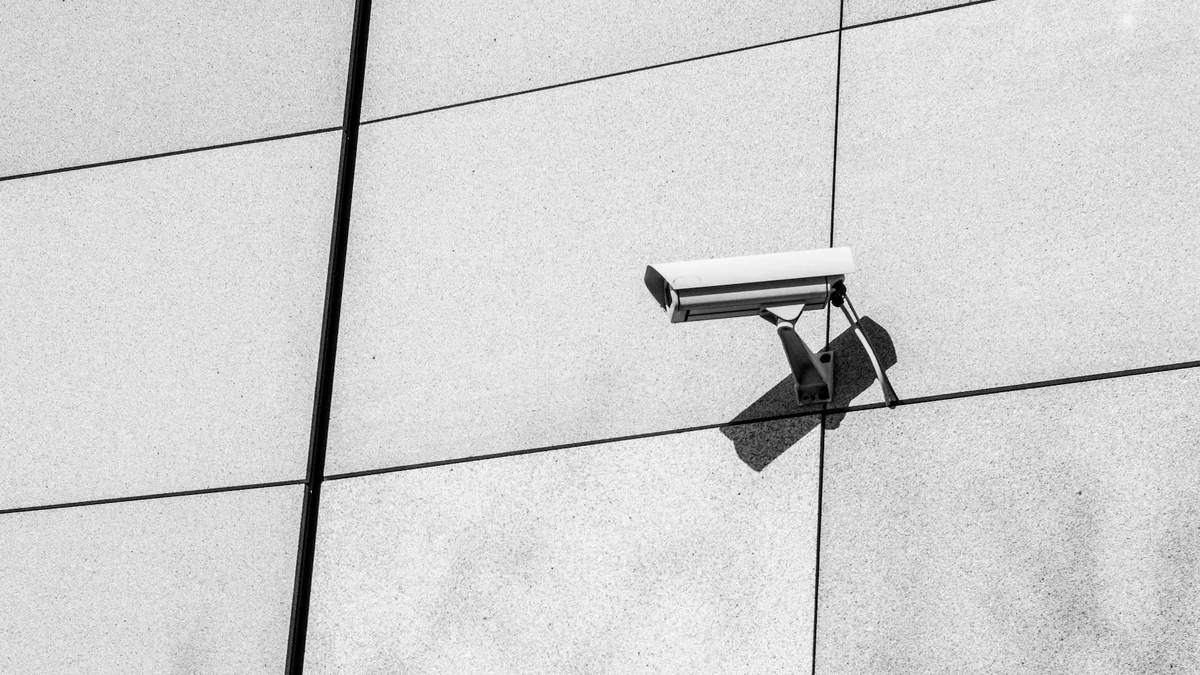
- "Safe country = safe everything." Korea's excellent safety stats coexist with real issues locals discuss — hidden-camera crime, nightlife drink-safety — which is why local caution norms (drink in sight, official taxis late) are worth copying rather than dismissing.
What locals do
Locals commonly use public transport late, check real-time rain and fine-dust alerts, and choose licensed taxis or a taxi app when trains stop running. Copy the practical habits—especially watching for turning vehicles and scooters—without copying the habit of leaving valuables unattended. Our subway guide covers fares and last-train planning.
Good to know
Save the numbers before you need them: 112 for police, 119 for fire or ambulance, and 1330 for multilingual tourist information and interpretation. They are explained in our emergency numbers guide. Travel insurance is still sensible because treatment is not automatically free for visitors; see seeing a doctor in Korea.
Cover photo by Chelaxy Designs, used under the Unsplash License. In-article photo by Nico Knaack, used under the Unsplash License.
Frequently asked questions
›Is Seoul safe for solo female travelers?
Many women visit Seoul alone without incident, but no destination is risk-free. Keep your drink and belongings in sight, use licensed taxis or public transport, share late-night plans with someone you trust, and leave any place or situation that feels unsafe.
›What about North Korea — should that affect my plans?
It does not normally prevent travel, but tensions can change with little notice. Monitor your government's travel advice, follow local instructions during civil-emergency drills or alerts, and avoid restricted areas or demonstrations.
›Are taxis and nightlife areas safe at night?
Use licensed taxis or a reputable taxi app, confirm the vehicle and destination, and keep the trip details. Nightlife areas are busy, but theft and assault can occur: keep your drink in sight, stay with trusted companions when possible, and call 112 if you feel threatened.
Sources and updates
Last edited on September 11, 2026. Sources support the specific details discussed in the guide; check the provider for current prices, availability and eligibility.