Pharmacies in Korea: What You Can Buy and How to Ask
How to use a Korean pharmacy (약국) as a foreigner: finding one, buying cold and pain medicine without a prescription, prices, hours, and phrases to point at.

A pharmacy is a good place to ask about medicine for a minor problem, but the pharmacist needs more than a translated word like “cold.” Tell them what is happening, what you already take and whether you have allergies.
Before you enter
Search for 약국 and check opening hours. For a prescription, bring the prescription and any identification the pharmacy needs. For an over-the-counter question, keep the packaging of medicine you already use available; a brand name alone may not identify the ingredients or strength.
Write a short list of symptoms and when they began. Add allergies, current medicines and whether the medicine is for a child, a pregnant person or someone with an existing condition. The pharmacist can explain whether a product is suitable or whether you should see a doctor.
Use a translator for the conversation
Our editor's local perspective: people in Korea are often willing to help even when English is not their first language. A translation app or ChatGPT can help you prepare a short question, then show the Korean text and ask the person to confirm their answer. English-speaking staff can be available at banks and hospitals, but this varies by branch and shift. Treat translated text as a communication aid; have staff confirm important conditions and instructions. This is editorial advice, not a report of a specific visit.
Ask the pharmacist to confirm the actual instructions, especially the amount, timing and any ingredients that overlap with another medicine. ChatGPT or a translator can prepare your question; it should not choose a dose or replace professional advice.
At the counter
- Describe the problem and show your medicine list.
- Ask whether the product needs a prescription.
- Confirm the price and, for prescribed medicine, the insurance handling.
- Ask the pharmacist to write or show the schedule clearly.
- Keep the packaging and information slip until you finish the medicine.
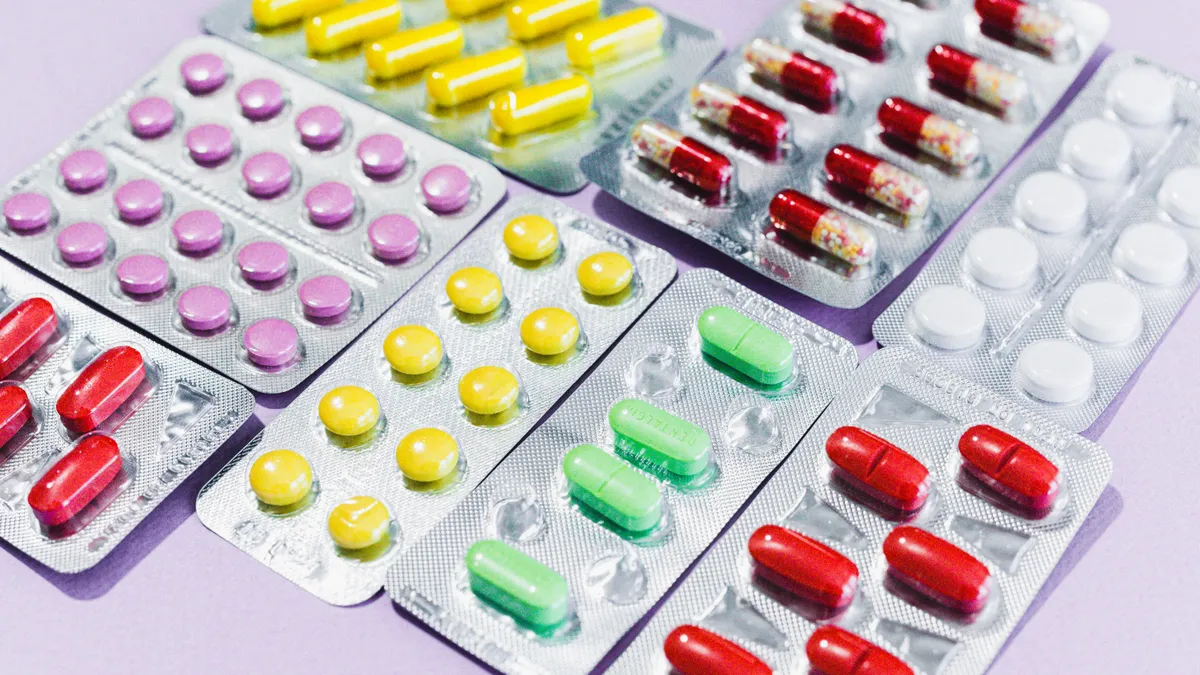
Availability is product-specific. A medicine sold without a prescription in another country may have different rules in Korea, and two similar packages can contain different ingredients. Do not take two products together merely because their brand names differ.
Finding a late-night pharmacy
The Seoul government's February 2026 notice lists designated pharmacies operating from 22:00 to 01:00. Individual opening days differ; not every listed location opens every night. Check the table and contact the pharmacy before making a non-urgent journey.
Convenience stores sell only a limited selection of eligible medicines, and stock varies. They are not a substitute for checking a concerning symptom. If symptoms are severe or worsening, use our doctor guide; for an emergency, call 119.
Understanding the bill
Do not assume every pharmacy has the same retail price or that an out-of-hours charge applies equally to every purchase. Ask about the exact item. For prescribed medicine, coverage and patient charges depend on the treatment and insurance arrangement; the NHIS benefits guide explains the system rather than a universal price.
Frequently asked questions
›Do I need a prescription?
Some medicines are sold over the counter, while others require a prescription. Ask the pharmacist about the exact product and ingredients; availability of a familiar brand abroad does not determine its rules in Korea.
›Can I use a translator?
Yes. Prepare your symptoms, allergies and current medicine list, and ask the pharmacist to confirm the instructions. Do not use an AI answer as a dosage recommendation.
›Where can I find a pharmacy late at night?
Seoul publishes a list of designated late-night pharmacies. Its February 2026 notice describes 22:00–01:00 service, with individual operating-day schedules. Check the listed pharmacy for the day you need it.
›What does medicine cost?
Prices vary by product and prescription coverage. Ask for the price of the specific medicine and confirm any dispensing or out-of-hours charge before paying.
Sources and updates
Last edited on October 12, 2026. Sources support the specific details discussed in the guide; check the provider for current prices, availability and eligibility.