Korean Trash and Recycling Rules Without the Panic
Korea's trash rules made simple: 종량제 volume-rate bags, food waste vs general trash, how to sort recyclables, apartment vs house rules, and the fines to avoid.
Every foreigner I've helped move in has the same panic moment: standing over the trash with a banana peel, unsure if it'll get them fined. Relax — Korea's system looks strict but it's genuinely logical once someone explains it. I grew up doing this, so let me walk you through it the way I'd tell a friend.
Before you start
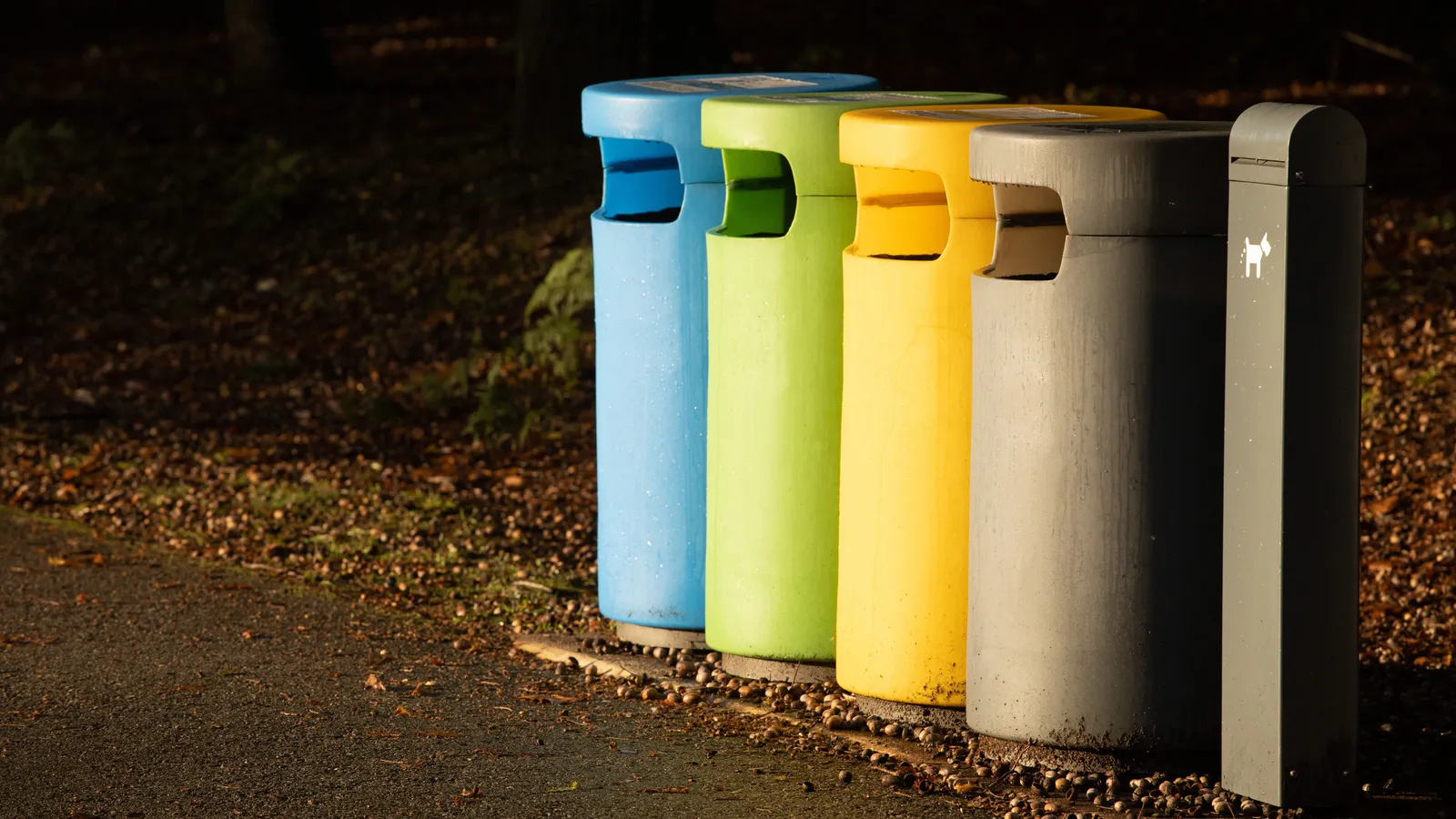
Korea has used a 종량제 (jongnyangje — volume-rate) system since 1995: you pay for how much general trash you throw away, by buying official bags. It's designed to push everyone to recycle, and it works. The whole thing comes down to sorting into three streams:
- 일반 쓰레기 (ilban — general trash): anything that isn't recyclable or food. Goes only in official 종량제 bags.
- 음식물 쓰레기 (eumsingmul — food waste): compostable kitchen scraps. Separate system.
- 재활용 (jaehwaryong — recyclables): plastic, paper, glass, metal, vinyl — sorted and rinsed.
Get those three right and you're 95% of the way there. One heads-up: from 2026, Seoul-area rules tightened further (direct landfilling of general-trash-bag contents is being phased out), so enforcement is stricter than ever in the capital region.
What you need
- 종량제 bags (종량제 봉투). Buy them at any convenience store, supermarket or Daiso — just say "jongnyangje bongtu." Sizes run 5L to 100L; a small household usually uses 10L or 20L. Colors and validity are city-specific — a Seoul bag won't be accepted in Busan, so buy where you live.
- Food-waste bags or a card. In a house or villa you buy special food-waste bags (음식물 봉투). In many apartments there's an RFID machine instead — you tap a resident card, drop food waste in, it weighs it, and you're billed monthly.
- A small food-waste caddy for your kitchen, and a spot to stash rinsed recyclables. Daiso covers both cheaply — it's on our first-apartment setup list.
Step-by-step
- General trash → 종량제 bag. Everything non-recyclable and non-food goes here. When it's full, tie it and put it in your building's collection spot or at the curb on collection day.
- Food waste → its own bin or bag. Drain off liquid first (soup, water). Soft scraps only — see the next section for what doesn't count.
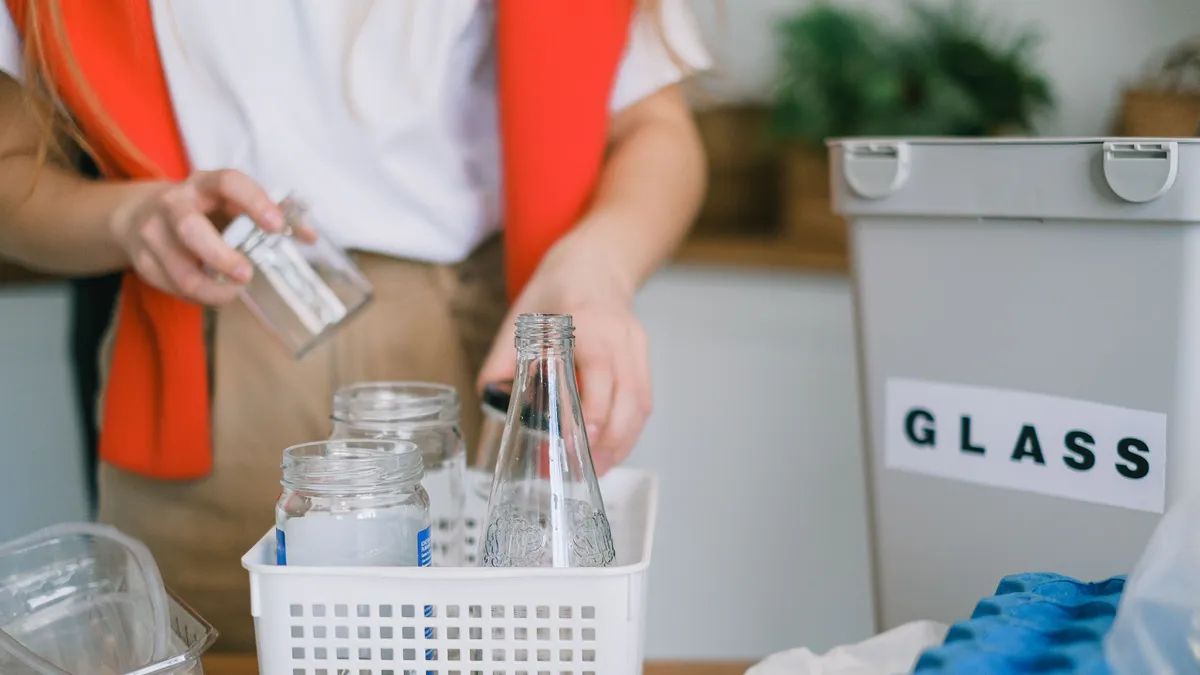
- Sort recyclables by material. Rinse containers, remove food residue, and separate into: plastic (PET bottles crushed, caps off), paper (flatten boxes, remove tape), glass, metal/cans, vinyl/plastic film (비닐), and styrofoam (스티로폼). Peel paper labels off bottles where you can.
- Put it out at the right place and time. Apartments have a dedicated recycling area open most days. Houses and villas follow a collection schedule — often specific evenings — so check with neighbors, your landlord, or the notice by the door.
What it costs
The cost is baked into the bags and the food-waste system, not a separate bill:
- 종량제 bags: roughly ₩300–500 for a 10L bag and ₩800–1,000+ for a 20L, varying by district. A month of general trash for one person is usually just a few thousand won.
- Food-waste bags: similar small amounts per bag; RFID machines charge by weight, typically a modest monthly total for a single person.
- Recycling: free — that's the whole incentive.
So sorting well literally saves you money: the more you recycle and compost, the fewer paid general-trash bags you buy.
Common problems (and fixes)
- Mixing food waste into general trash. This is the number-one foreigner mistake and the easiest fine to catch. Keep a separate kitchen caddy from day one.
- Putting the wrong things in food waste. Bones, shells, eggshells, large pits/seeds, tea bags, and tough onion/garlic skins are NOT food waste — they go in general trash. The mental test I use: could a farm animal eat it? If not, it's general.
- Using the wrong city's bag. Bags are only valid in the city that issued them. Moved cities? Buy new bags.
- Recyclables with food residue. A greasy pizza box or unrinsed container gets rejected as general trash. Rinse and dry first.
- Guessing the collection day. Villas and houses have set days — put trash out at the wrong time and you can be fined for illegal dumping. Ask before your first week ends.
- Fines. Penalties range from about ₩50,000 to ₩1,000,000 depending on the violation. Most people never get fined if they sort honestly.
Good to know
Big items — furniture, a mattress, an old appliance — can't just go out. You buy a 대형폐기물 (daehyeong-pyegimul — bulky waste) sticker from your district office (in person or via its app), stick it on, and leave the item at the designated spot. Apartments often have a residents' app or notice board with the exact rules for your building, so read it or ask the management office (관리사무소). If you're ever truly stuck, your neighbors are the best guide — pointing at your bag and asking "여기 맞아요?" (yeogi majayo — is this right here?) works wonders. And since convenience stores are where you'll buy most of your bags, it's worth knowing yours well — our convenience store guide has the rest. Sort it right and, honestly, you'll start finding it satisfying.
Confirm your building’s disposal instructions
Seoul's food-waste instructions explain using designated bags or containers and removing moisture and unsuitable material. Collection arrangements depend on your district and building. Photograph the building's sorting notice, ask the landlord which bag or machine applies, and record the collection days. The same-looking bin at a nearby building may follow a different arrangement; do not copy it without checking.
Frequently asked questions
›What are 종량제 bags and where do I buy them?
종량제 (jongnyangje) bags are the government-approved volume-rate bags you must use for general trash. Buy them at any convenience store, supermarket or Daiso — just ask for '종량제 봉투.' They come in sizes from 5L to 100L, and the color is set by your city, so bags from another city won't be accepted.
›What counts as food waste in Korea?
Food waste (음식물 쓰레기) is soft, compostable kitchen scraps: leftover food, vegetable peels, fruit flesh, cooked grains. It does NOT include bones, shells, eggshells, large seeds/pits, tea bags, or tough onion and garlic skins — those go in general trash. When unsure, ask: could an animal eat it?
›How much are the fines for sorting trash wrong?
Illegal dumping or mixing waste can be fined roughly ₩50,000 up to ₩1,000,000 depending on the violation and district. The most common (and easily caught) mistake is putting food waste in a general-trash bag.
›Is trash different in an apartment versus a house?
Yes. Big apartment complexes usually have a dedicated sorting area with recycling bins and often an RFID food-waste machine, available most days. Houses, villas and officetels put bagged trash and sorted recyclables out at the curb on set collection days or evenings — ask your neighbors or landlord for the local schedule.
Sources and updates
Last edited on October 12, 2026. Sources support the specific details discussed in the guide; check the provider for current prices, availability and eligibility.