Setting Up Your First Korean Apartment on a Budget
A move-in checklist for your first Korean apartment: utilities, internet, trash bags, a Daiso run, cheap furniture and the paperwork — with real 2026 prices.
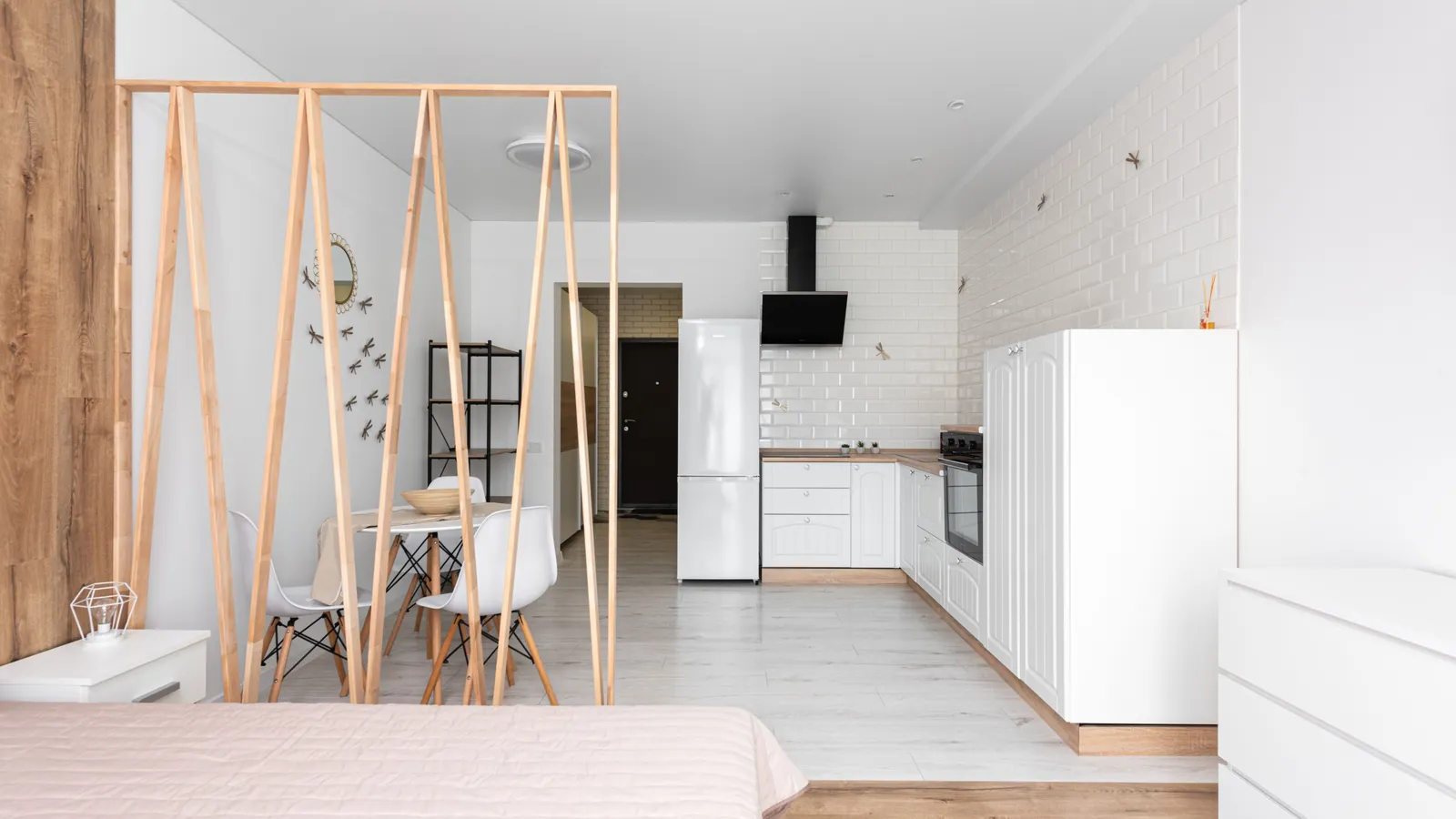
You've got the keys and an empty (or half-empty) room, and suddenly you need everything at once. Good news: Korea makes this cheap and fast if you go in the right order. Here's the exact move-in checklist I give every friend — tasks first, then the shopping — so you're sleeping comfortably by night one.
How we chose
This isn't a "nice to have" wish list. Everything here is either legally required, something that stops working if you ignore it, or a genuinely cheap fix for a real move-in headache. I've prioritized the order things bite: paperwork and utilities first (they take days to sort), then the Daiso-level essentials you can grab in an afternoon, then furniture you can add over your first week. Prices are 2025–2026 real-world figures for a single person in a small officetel or one-room, so your mileage varies by city and building.
The list
1. Register your move at the district office (전입신고)
Within 14 days of moving in, go to your local 주민센터 (jumin-senteo — community center) and file a 전입신고 (jeonipsingo — move-in report). It's free, takes minutes, and — crucially for renters — pairs with a 확정일자 (hwakjeong-ilja — date stamp) to legally protect your deposit. It's also part of the address trail you'll need for your Residence Card. Details on the deposit side are in our renting in Korea guide.
2. Turn on electricity, gas and water
Electricity (KEPCO) usually carries over, and you just call to put the account in your name — expect roughly ₩15,000–30,000 a month in spring and autumn, more like ₩40,000–60,000 when the AC or electric heat is running. Gas is the one that traps people: the city gas company almost always needs an in-person inspection appointment before they'll switch it on, so book it a few days ahead, especially in winter, when heating bills run around ₩50,000–120,000 a month. Water is often bundled into your building's maintenance fee.
3. Get internet installed
Pick a provider (KT, SK Broadband or LG U+) and book an install. A standalone 1Gbps plan runs roughly ₩33,000–44,000 a month, and cheaper 100Mbps deals start around ₩22,000 on a longer contract; install fees are often waived by promotion. Many officetels have internet pre-wired or included in maintenance fees, so ask before you sign anything.
4. Buy your city's 종량제 trash bags
You can't legally throw out general trash without official 종량제 (jongnyangje — volume-rate) bags, sold at any convenience store or supermarket. Bag color is city-specific and not interchangeable. Grab a small food-waste bin too. The full rules — and the fines for getting it wrong — are in our trash and recycling guide.
5. The Daiso run: cleaning and organizing
Nothing at Daiso tops ₩5,000, so this is your cheapest fast start. Get sponges, rubber gloves, dish soap, a bathroom squeegee, a lint roller, hangers, a laundry drying rack (or clips), a power strip or two, and a small trash bin plus a food-waste caddy. A single ₩30,000–50,000 basket covers most of a bare room.
6. Bedding and sleep
If your place came with a bed frame or a raised floor, you still need a mattress topper or 요 (yo — floor mattress), a pillow, a duvet and sheets. Daiso and marts cover the cheap end; for a proper set, a mart or IKEA runs ₩50,000–150,000. This is the one thing worth not skimping on for night one.
7. Kitchen basics
A pot, a frying pan, a couple of plates and bowls, chopsticks and a spoon, a knife and a cutting board, and dish soap. Daiso plus a mart handles it for well under ₩50,000. Add a cheap rice cooker (₩30,000–60,000) if rice is your staple.
8. Furniture, the cheap way
Before buying new, check 당근마켓 (Danggeun-maket — Karrot), Korea's hyper-local secondhand app, where people in your exact neighborhood sell desks, chairs, shelves and drying racks for a fraction of retail, often free if you carry it away. IKEA and marts fill the gaps. Set it up over your first week, not your first day. Karrot is one of the apps we cover in our essential apps guide.
Honorable mentions
- A small dehumidifier or moisture boxes — Korean summers are humid, and closets mildew fast.
- A folding drying rack — most people air-dry laundry indoors; dryers are still uncommon.
- Indoor slippers — you take shoes off at the door, and floors get cold in winter.
- A basic screwdriver and command hooks — for assembling secondhand finds and hanging things without damaging walls.
- A doorway or under-sink organizer — small Korean rooms live or die by vertical storage.
How to use this list
Work top to bottom on day one for items 1–4 (the paperwork and utilities that take real time), then knock out 5–7 in a single afternoon of shopping. Furniture can wait a week while you learn what the room actually needs. Set up your bank account and phone early, since utility and internet contracts want a Korean account and number — start with opening a bank account. Do it in this order and you'll go from bare room to real home for a few hundred thousand won, not a few million.
Frequently asked questions
›How much does it cost to furnish a first apartment in Korea?
If your place is semi-furnished (many officetels include a bed, fridge and washer), you can get livable for about ₩150,000–400,000 with a Daiso run plus bedding. Fully empty places cost more, but Karrot secondhand and IKEA keep it well under ₩1,000,000.
›What should I buy at Daiso first?
Cleaning supplies (sponges, gloves, a squeegee), a drying rack clip set, hangers, trash and food-waste bins, a power strip, basic dishes and cutlery, and bathroom items. Nothing at Daiso costs more than ₩5,000, so it's the fastest cheap start.
›Do I need to set up utilities myself?
Often yes. Electricity usually carries over, but gas typically needs an in-person inspection appointment to activate, and internet needs its own contract. Your landlord or agent will tell you what's already connected and what maintenance fees cover.
›What are Korean apartment maintenance fees?
관리비 (gwalli-bi) is a monthly building fee covering things like shared electricity, cleaning, security and sometimes water or internet. For a one-room near Seoul universities it averaged around ₩75,000 in 2025, but it varies a lot by building.
Sources and updates
Last edited on September 4, 2026. Sources support the specific details discussed in the guide; check the provider for current prices, availability and eligibility.