How to Open a Korean Bank Account as a Foreigner
Prepare for a Korean bank visit with the right identification, account-purpose documents and questions about restrictions, fees and mobile banking.

Opening an account starts with the bank's requirements for your circumstances. A visitor, student and employed resident may need different documentation and may qualify for different services.
Call before visiting
Seoul's banking guidance describes identification and residence documentation for foreign customers. Use it as a starting point, then ask your intended bank about the current requirements for the particular account.
Explain your stay status and what you need: salary payments, rent transfers, a debit card or an English banking app. Ask whether the branch opens that account, whether an appointment is needed, and when language support is available.
Prepare your documents
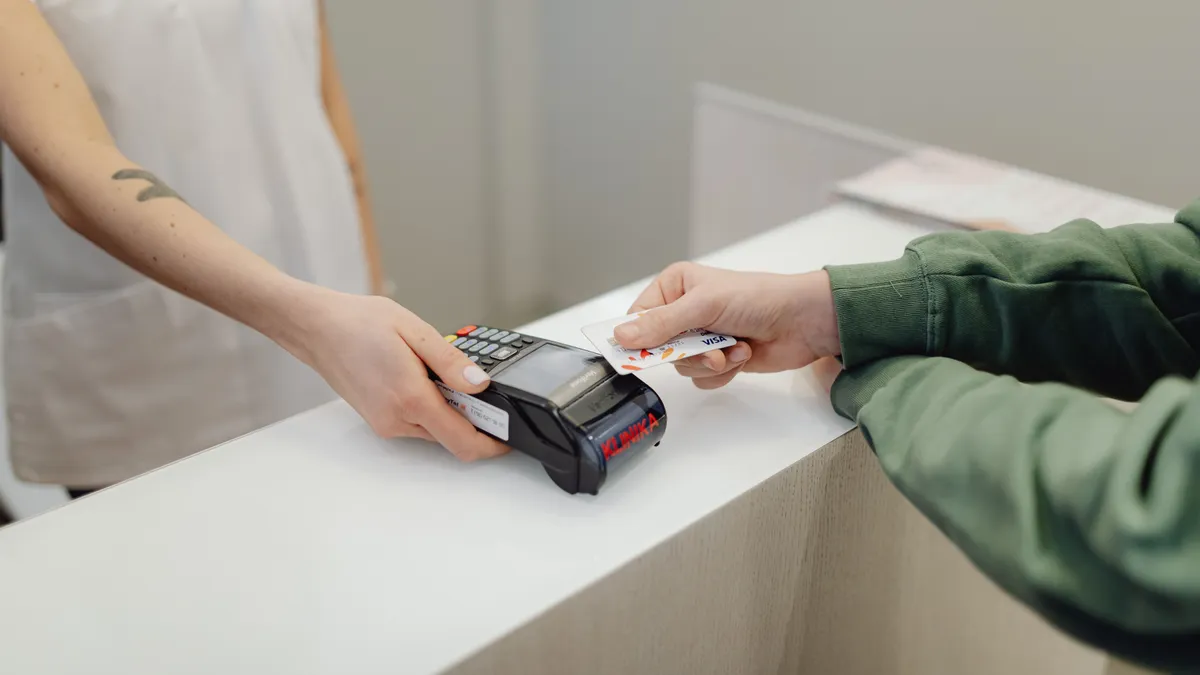
Bring the identification the bank requests, which may include your passport and residence card. Ask about accepted originals and whether additional address, employment, enrollment or account-purpose evidence is needed. Confirm whether a Korean mobile number registered to your identity is necessary for the services you want.
Do not assume that mobile identification is accepted for every procedure. Likewise, a tourist prepaid SIM should not be treated as proof that resident banking verification will work. Our identity verification guide explains questions to ask when records do not match.
Questions at the desk
| Ask | Why it matters |
|---|---|
| Which account can I open with these documents? | Eligibility depends on the customer and product |
| Will it have transaction restrictions? | Counter, ATM and app limits may differ |
| What evidence is needed to review a limit? | There is no universal removal document |
| What fees apply? | Card issuance, transfers, ATM use and remittances can differ |
| Can I register the app today? | Account opening and digital access are separate steps |
| Is English support available? | The branch and app may provide different services |
Ask staff to write down unfamiliar conditions. If the account is restricted, record each daily limit and how a review can be requested. Avoid assuming one published number applies to all banks or channels.
Set up and check access
Before leaving, confirm the spelling of your name, account number, card arrangements and the steps for mobile banking. Ask staff to help with the first login if the bank offers that assistance. Keep passwords, PINs and one-time codes private.
Check a small permitted transaction once access is working. If verification fails, have the bank and carrier compare the identity information they require; repeated guesses about name spelling can make troubleshooting harder.
Local advice when language is the worry
Our editor's local advice: people in Korea are often willing to help, even when English is not their first language. Prepare a short question with a translation app or ChatGPT and show the Korean text. Some bank staff speak English, but availability varies by branch and shift. Ask staff to confirm important conditions before signing. This is general local advice, not a report of an account-opening visit.
You can show: “I would like to open an account. Which documents do I need, and what limits and fees would apply?” Keep your situation brief, then ask one question at a time. Staff at a nearby branch can explain their own service, although they may refer you elsewhere.
Compare digital options in our banking app guide. A provider's advertised online opening process is not proof that every foreign applicant can use it.
Frequently asked questions
›Can I open an account without a residence card?
Ask the bank about products available with your passport and stay status. Do not assume a passport-only account or full mobile banking access is available at every branch.
›Which bank should I choose?
Compare a convenient branch, language support, fees, app access and eligibility for your documents. Confirm support with the exact branch rather than relying on a general reputation.
›How do I remove a limited account restriction?
Ask which limits apply to your account and which evidence the bank accepts to review them. Restrictions and documentation differ; carrying a lease or employment document does not guarantee removal.
Sources and updates
Last edited on October 12, 2026. Sources support the specific details discussed in the guide; check the provider for current prices, availability and eligibility.