Renting in Korea: Jeonse, Wolse and Key Money Explained
How renting works in Korea: jeonse vs wolse, the huge 보증금 deposit, agent fees, and how to protect your key money — a plain-English guide for foreigners.
Renting in Korea confuses almost every newcomer, because one of the two systems has no monthly rent at all. Once you understand key money, the rest clicks into place. Here's how it actually works, what you'll pay, and how to keep your deposit safe.
The short version
Korea has two main rental models, both built around a deposit called 보증금 (bojeungeum — key money):
- 전세 (jeonse): You hand the landlord one enormous lump sum — often 50–70% of the property's value — and pay no monthly rent. When your contract ends (usually two years), you get the entire deposit back. The landlord's benefit is having your money to invest or lend for the term.
- 월세 (wolse): You pay a smaller deposit plus monthly rent, like renting in most countries — except the deposit is still large by Western standards, often several months' rent or more.
There's also 반전세 (banjeonse — "half jeonse"): a middle path with a medium deposit and reduced monthly rent. Most foreigners, especially in their first year, rent wolse, because jeonse requires a small fortune upfront.
How it actually works
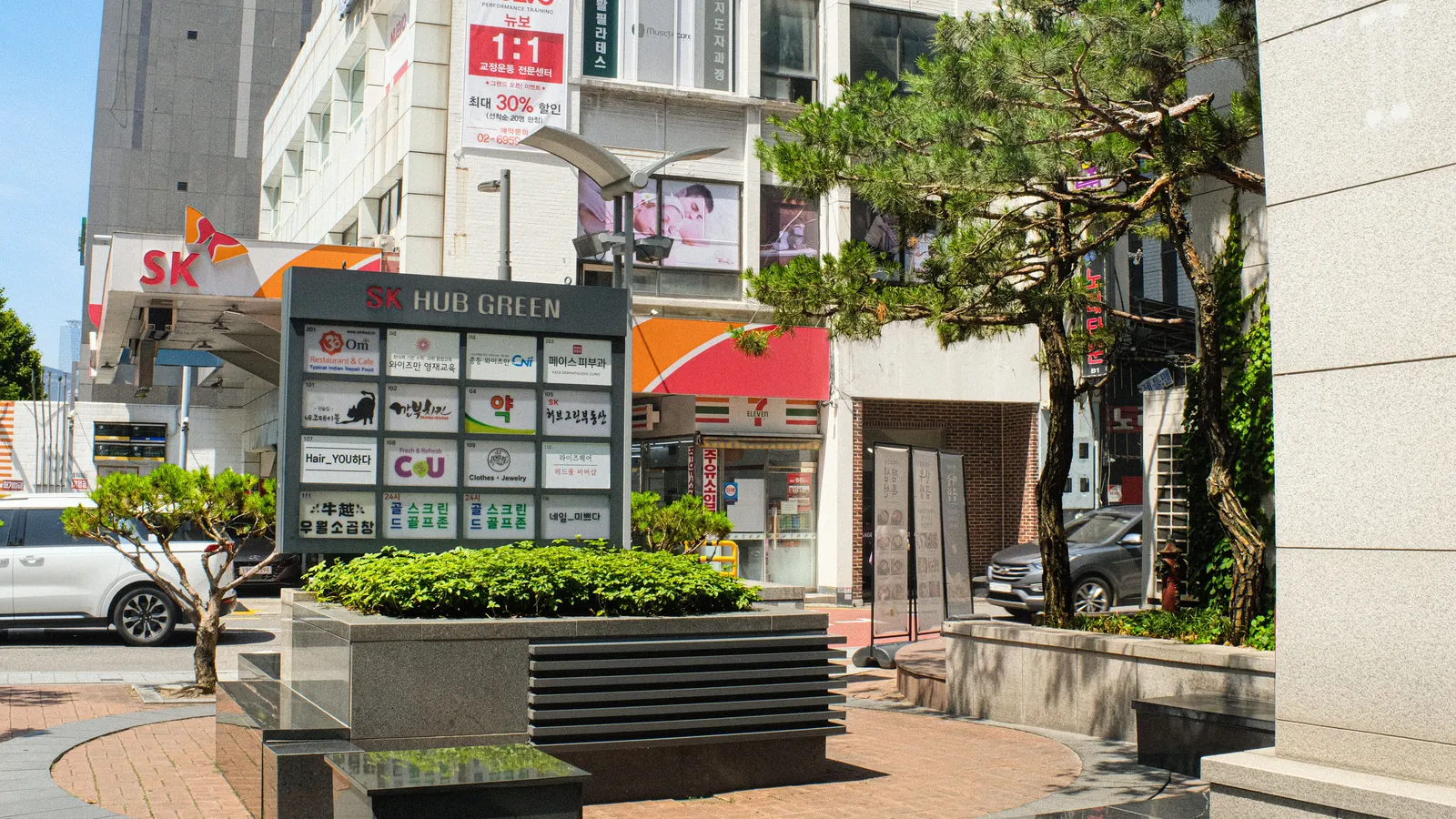
You'll almost always rent through a 부동산 (budongsan — real estate agency). Walk into one in the neighborhood you want, tell the agent your budget and dates, and they'll walk you around several places the same day. When you find one, you sign a 임대차계약서 (imdaecha-gyeyakseo — lease contract), pay a deposit down-payment (계약금, usually about 10%) on the spot, and pay the balance on move-in day.
Deposit and rent are inversely negotiable: offer a higher deposit and you can usually talk the monthly rent down, and vice versa. So the same room might be advertised as "₩10,000,000 deposit / ₩500,000 a month" or "₩5,000,000 / ₩600,000." Ask the agent to show you both.
On top of rent you'll pay 관리비 (gwalli-bi — maintenance fee), a monthly building charge covering shared electricity, cleaning, security, and sometimes water, internet or heating. It's separate from rent and easy to overlook — always ask what it is and what it includes.
What it costs
Rough 2025–2026 figures for a single person:
- Wolse deposit: commonly a few million up to ₩10,000,000+, scaling inversely with the rent.
- Monthly rent: widely ₩400,000–800,000 for a small officetel or one-room, much higher in central Seoul or larger units.
- Maintenance fee (관리비): around ₩50,000–100,000 for a one-room; it averaged roughly ₩75,000 near Seoul universities in 2025.
- Agent commission (중개수수료): capped by law, generally 0.3–0.8% of the deposit or its converted value depending on the price band — for example, the cap for lease deals in the ₩600–900 million range was set at 0.4%. You pay it once, at signing.
Add first month's rent, the maintenance fee, and any move-in costs, and plan for several hundred thousand to over a million won on top of the deposit before you're settled — see our first-apartment setup guide for the rest of that budget.
Common misconceptions
- "Jeonse is free money." It isn't — you're lending the landlord a huge sum, interest-free, for two years, and inflation and risk are real. The upside is no monthly rent; the downside is tying up (and exposing) a large amount of cash.
- "The deposit is like a Western security deposit." No. It's typically many multiples larger, and it's the main financial mechanism of the lease, not a damage buffer.
- "Foreigners can't rent here." You can. You'll need your Residence Card, a Korean bank account, and often a local phone number — get those first (here's how to get your Residence Card).
- "The agent works for me." The agent is paid to close the deal and often knows the landlord. Helpful, but do your own checks.
What locals do
Koreans obsess over deposit protection, and you should copy them. As soon as you sign:
- File a 전입신고 (jeonipsingo — move-in report) at your district office.
- Get a 확정일자 (hwakjeong-ilja — date stamp) on your contract at the same visit.
Together these give your deposit legal priority if the landlord goes bankrupt or the property is auctioned. Locals also pull the 등기부등본 (deunggibu-deungbon — property registry) before signing to check how much debt is already secured against the home — a place mortgaged to the hilt is a red flag. Since a wave of jeonse fraud (전세사기) in recent years, many renters also buy deposit-return insurance (전세보증보험) for large deposits. Given the ongoing shift toward monthly rent in Seoul, wolse is easy to find and lower-risk for a first lease.
Good to know
Read the contract's break clause before signing — leaving early can mean finding a replacement tenant or forfeiting part of your deposit. Keep every receipt and the stamped contract. When you move out, the deposit is returned after a final utilities and maintenance settlement, so don't cancel your bank account the day you leave. Speaking of which, you'll need that account set up before you can pay rent or the deposit balance — start with our guide to opening a bank account in Korea. Get the deposit protections in place on day one, and renting in Korea is far less scary than the numbers first suggest.
Frequently asked questions
›What's the difference between jeonse and wolse?
Jeonse is a big one-time deposit (often 50–70% of the home's value) with no monthly rent; you get it all back at the end. Wolse is a smaller deposit plus monthly rent. Banjeonse sits in between — a medium deposit and lower rent.
›How much deposit do I need to rent in Korea?
For wolse, deposits commonly run from a few million won up to ₩10,000,000 or more, roughly scaling with lower rent. Jeonse deposits are far larger — tens to hundreds of millions of won — which is why most newcomers choose wolse.
›How much is the real estate agent's fee?
Agent commission (중개수수료) is capped by law, typically 0.3–0.8% of the deposit or its converted value depending on the price band. You pay it once, at signing. Always confirm the rate before you commit.
›How do I protect my deposit as a renter?
File a 전입신고 (move-in report) and get a 확정일자 (date stamp) at your district office right after signing, and check the property's registry (등기부등본) for existing loans. Together these give your deposit legal priority if something goes wrong.
Sources and updates
Last edited on September 4, 2026. Sources support the specific details discussed in the guide; check the provider for current prices, availability and eligibility.