Daegu in Two Days: Market Food, Historic Lanes and a Music Street
Plan two days in Daegu with historic lanes, Gyesan Cathedral, Seomun Market and Kim Kwangseok Street, plus station and hotel-base advice.
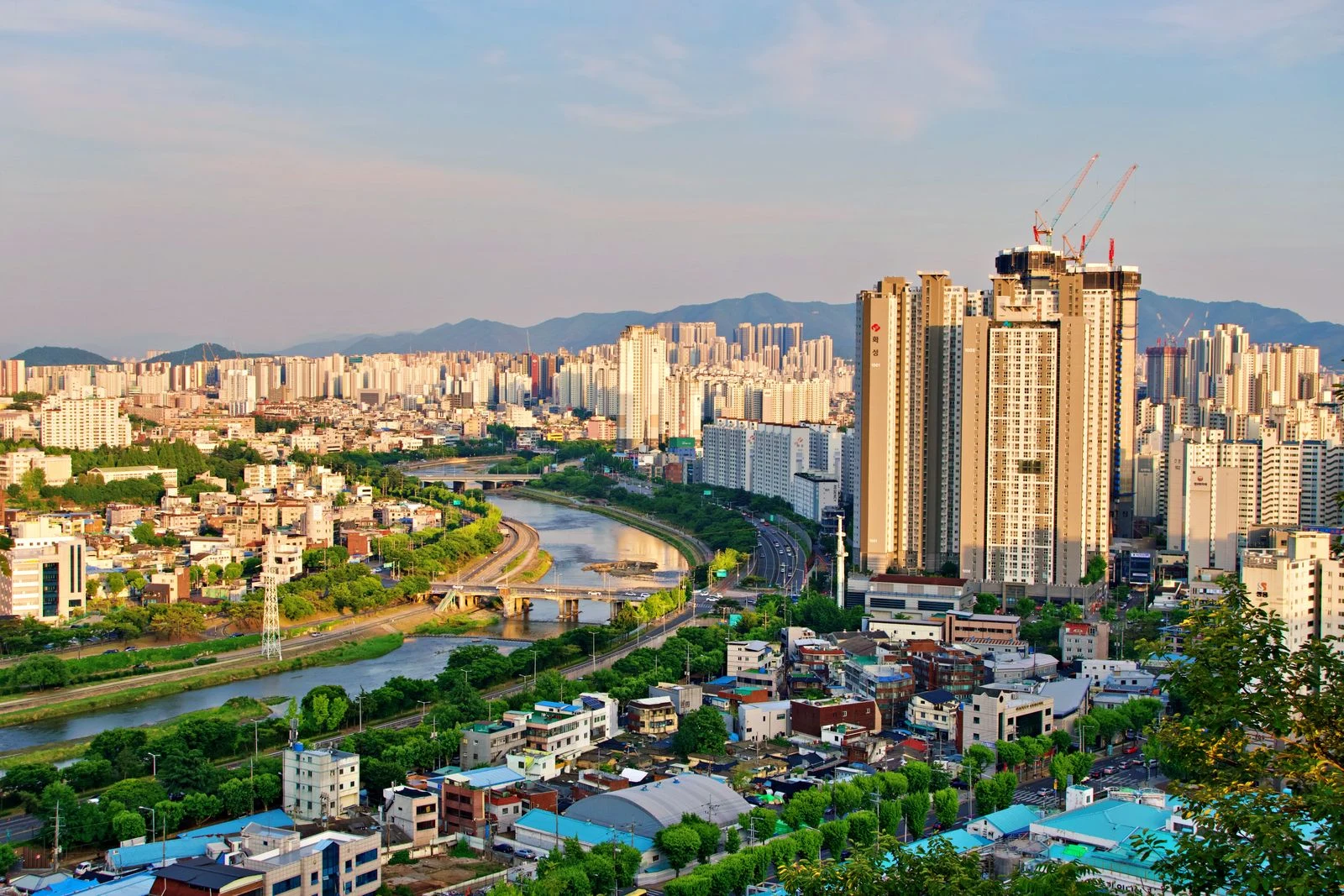
Daegu's old centre packs early-20th-century churches, herbal medicine shops, a huge traditional market and a mural street honouring a beloved singer into an area you can mostly cover on foot. This plan keeps you in and around the central district, so you spend your time exploring rather than commuting.
Getting there: Dongdaegu is not Daegu Station
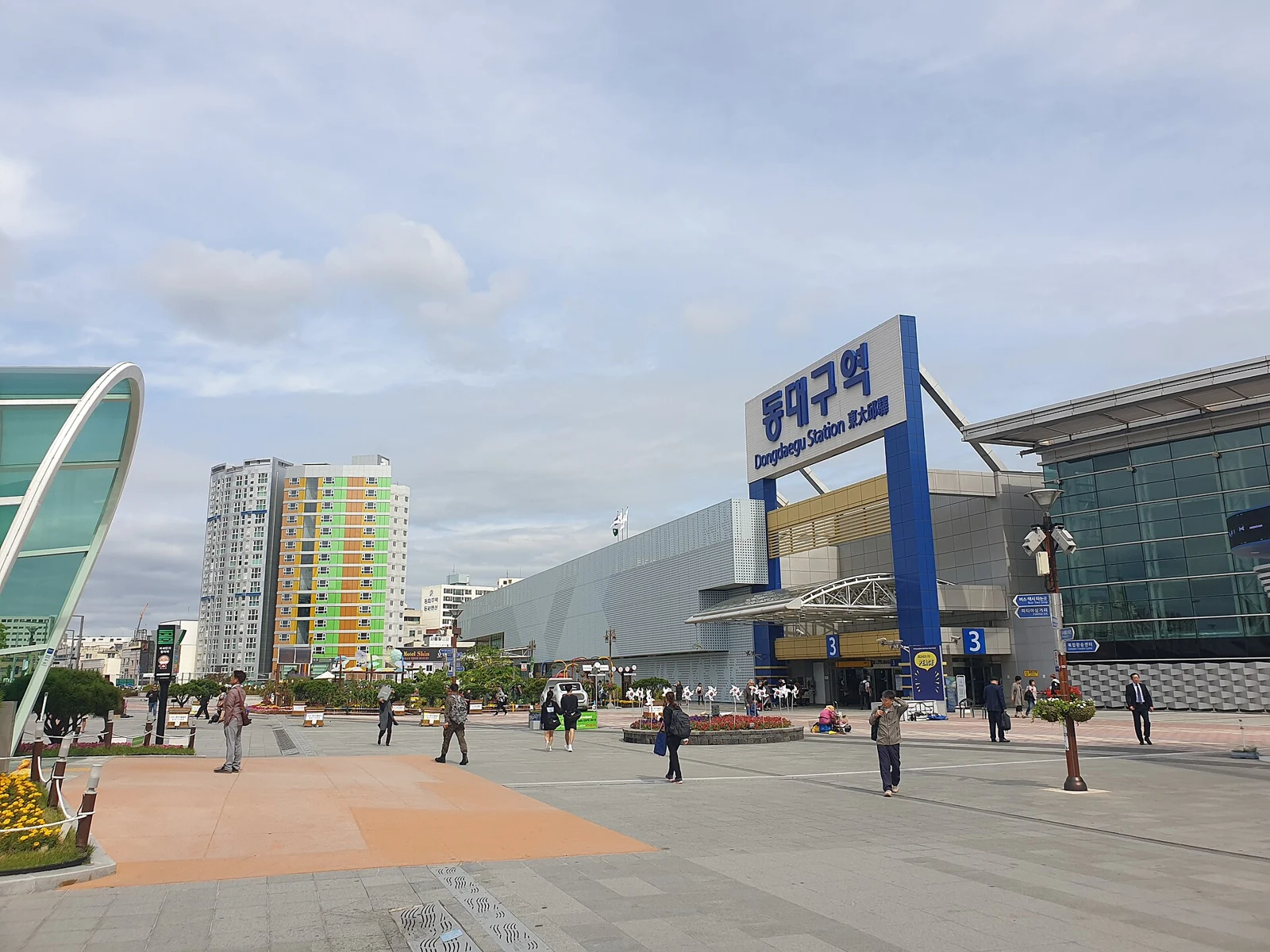
High-speed services use Dongdaegu Station, the city's main high-speed hub on the east side. Daegu Station is a different station closer to the old centre. They are not interchangeable, so check the station name on your ticket for both arrival and return. For KTX and other Korail trains, search schedules and book on Korail's English site. SRT uses SR’s separate booking channels and departs from Suseo in Seoul; see our KTX train guide for seats, platforms and ticket changes.
From Dongdaegu, Daegu Metro Line 1 reaches the centre in a handful of stops. A T-money or similar transit card works on the subway and city buses.
Where to stay
The best base for a short trip is central Jung-gu, around Jungangno, Banwoldang or Dongseong-ro. You can walk to the Modern Culture Alley and Dongseong-ro, and Seomun Market is a short walk, subway hop or taxi away. Stay beside Dongdaegu only if you arrive very late or leave very early. Check Daegu's official tourism site for current events and seasonal notices.
Day 1: Historic lanes, a cathedral and the market
Start with the Modern Culture Alley, one of the walking routes through Jung-gu's older streets. It links Cheongna Hill, where early-20th-century missionary houses stand among gardens, with a steep stone stairway known as the 3.1 Movement Road, named for the 1919 independence protests. The route continues past preserved homes linked to writers and independence-era figures and into the herbal medicine alley, where shops still sell dried roots and herbs.
At the foot of the stairs stands Gyesan Cathedral, a red-brick Gothic-style church dating from the early 1900s. The Korea Tourism Organization's walking route overview groups Gyesan, Cheongna Hill and the market area together, helping you plan a half-day walk. The cathedral is an active parish, so admire the exterior, keep your voice low, and don't enter or take photos during Mass or other services.
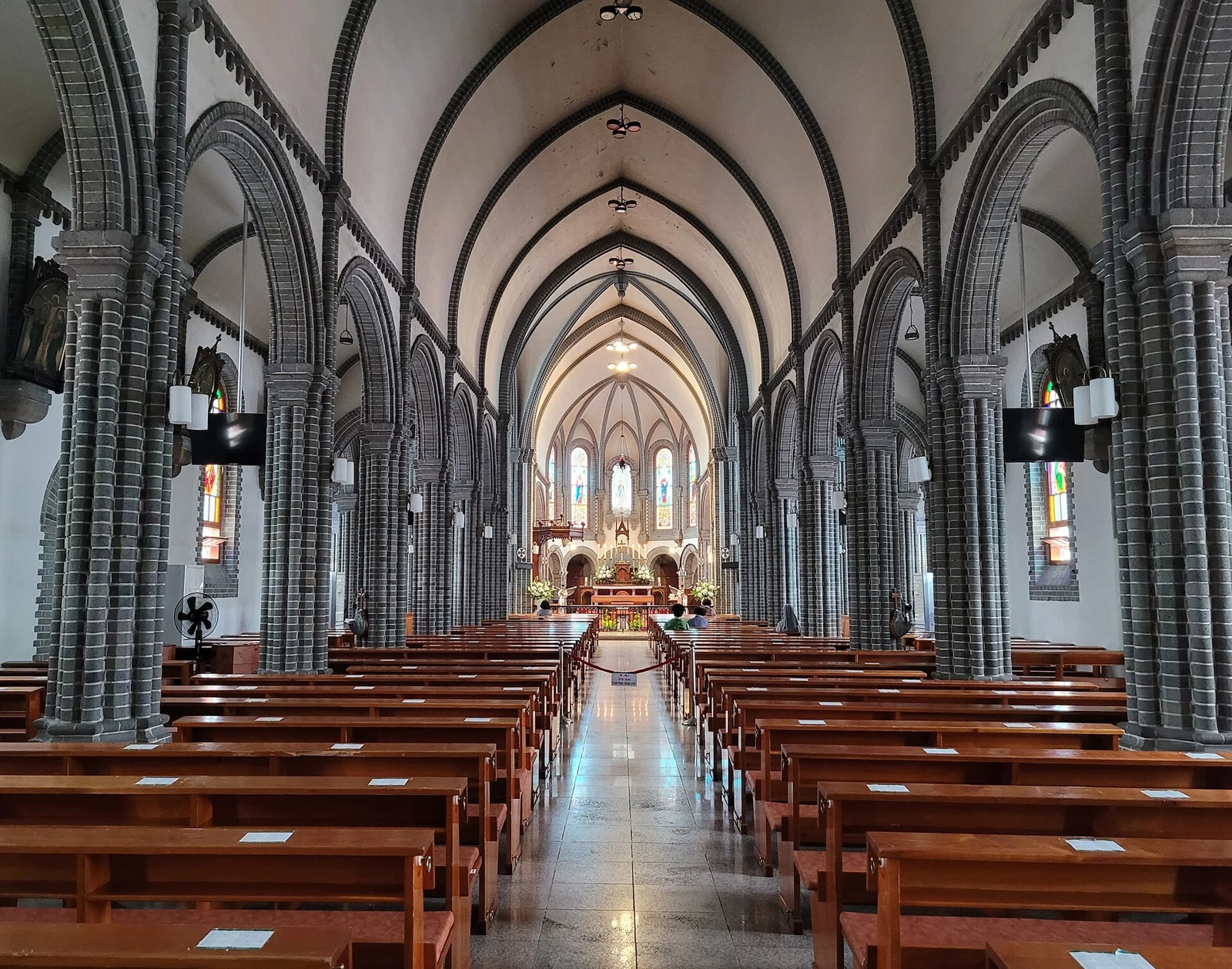
Allow two to three hours with photo stops. The stairway is steep and some hill paths slope, so take breaks as needed.
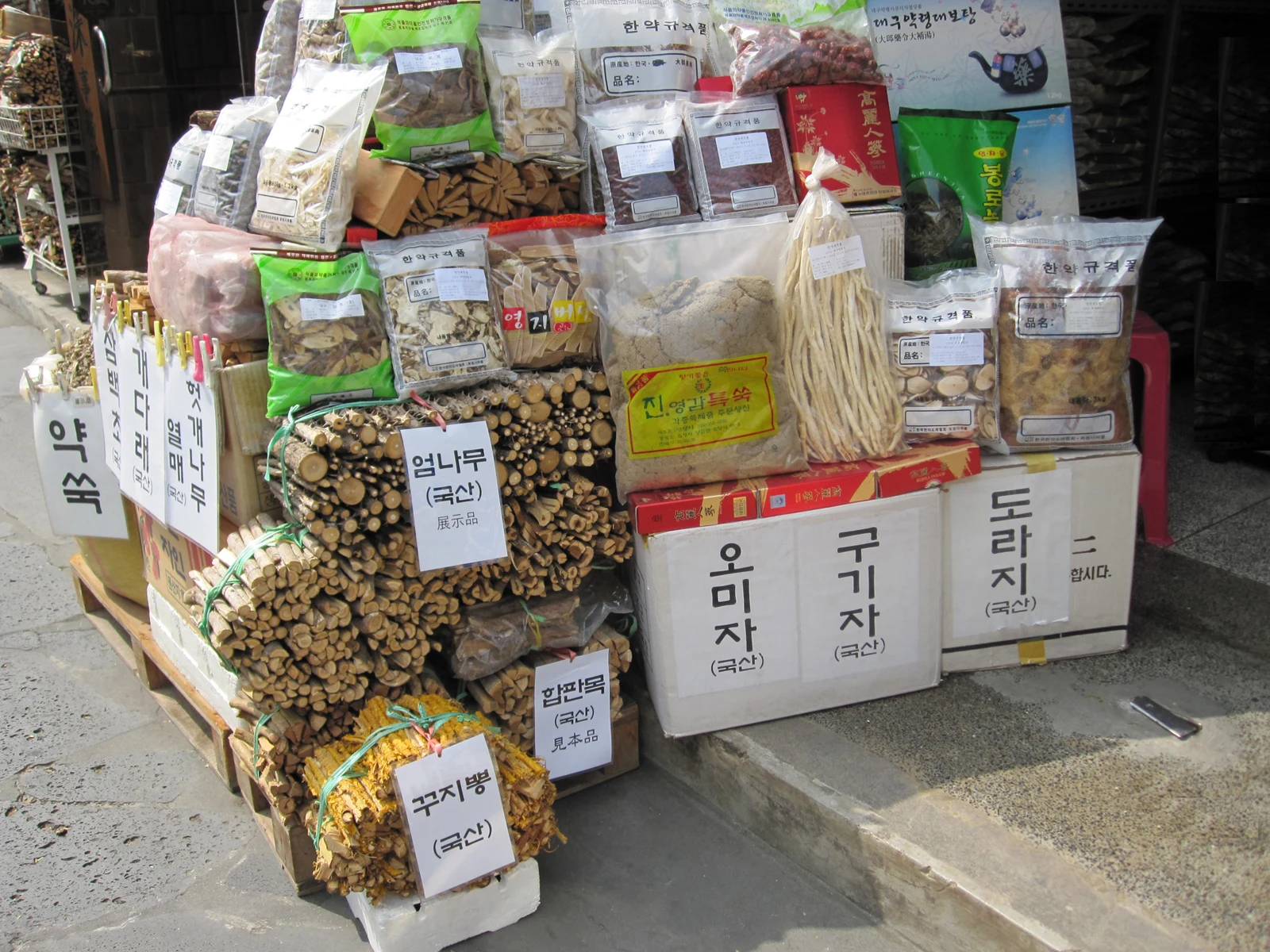
In the late afternoon, walk or ride to Seomun Market, one of Daegu's largest traditional markets, spread across several buildings selling fabric, kitchenware, dried goods and street food. Hours vary by section and many shops have regular closing days, so check the KTO market page and arrive well before closing.
Two local dishes to look for: napjak mandu, Daegu's flat dumplings, are thin, pan-fried and lightly filled, often with glass noodles and chives, and are usually eaten with soy sauce or a sweet-spicy dressing with vegetables. Kalguksu, knife-cut wheat noodles, often comes in a broth that may use anchovy or other seafood. Recipes differ between stalls, so if you avoid meat, seafood, wheat or anything else, ask before ordering. Our guide to ordering in Korean restaurants has useful phrases.
Seomun Market's night market is separate from the daytime market and does not run every day. Check current operating days with the operator or the city tourism site, and treat it as an optional bonus.
For dinner, head to Dongseong-ro, a pedestrian-friendly shopping district near Jungangno full of fashion stores, cafes and casual restaurants. It stays lively after dark and is close to most central hotels.
Day 2: Kim Kwangseok Street and departure
After breakfast, take a short taxi or subway ride (your map app will show the nearest stop) to Kim Kwangseok Street, a mural lane beside Bangcheon Market in Daebong-dong. It honours Kim Kwangseok, a Daegu-born singer-songwriter whose folk songs remain widely loved in Korea. The KTO page describes it as a memorial street where his image and music are woven into the walls, and his songs often play as you walk. Treat it as a tribute, not just a photo backdrop: keep the lane clear for residents and don't climb on sculptures.
Set aside an hour or two here, browse Bangcheon Market, then collect your bags and ride back to Dongdaegu (or Daegu Station, if that is what your ticket says). Leave a buffer, especially on weekends.
Two-day itinerary at a glance
| Day | Time | Plan | Getting around |
|---|---|---|---|
| 1 | Morning | Arrive at Dongdaegu, drop bags in Jung-gu | Metro Line 1 |
| 1 | Midday | Modern Culture Alley, Cheongna Hill, Gyesan Cathedral (exterior) | Walk |
| 1 | Late afternoon | Seomun Market food | Walk, subway or taxi |
| 1 | Evening | Dinner and a stroll on Dongseong-ro | Walk |
| 2 | Morning | Kim Kwangseok Street and Bangcheon Market | Taxi or subway |
| 2 | Afternoon | Return to the station on your ticket | Subway |
Frequently asked questions
›Is Dongdaegu Station the same as Daegu Station?
No. They are separate stations several subway stops apart. Most high-speed trains use Dongdaegu, so always check your ticket.
›Can I go inside Gyesan Cathedral?
It is a working church. Most visitors admire the exterior; if the doors are open and no service is taking place, step in quietly. Never interrupt Mass.
›Is the Seomun Market night market open every day?
No. It runs on a schedule set by its operator that can change by season. Check current information before planning around it.
›Is two days enough for Daegu?
Two days covers the old centre at a relaxed pace. Add a day if you want museums, more markets or a slower trip.
Sources and updates
Last edited on November 18, 2026. Sources support the specific details discussed in the guide; check the provider for current prices, availability and eligibility.