Booking KTX Trains: Routes, Prices and Seat Tips
Book Korea’s high-speed trains with the correct station, current fare and ticket conditions. A practical checklist for choosing and boarding your train.

A train journey starts before you reach the platform. The useful decision is whether the actual departure station, scheduled arrival and fare work for your whole trip—not whether a headline says rail travel has become cheaper.
Before you book
Write down your destination and travel date, then check KORAIL's official reservation service. Confirm the exact station names. Seoul, Yongsan and Suseo are separate locations; a ticket departing from one does not mean you can board at another.
Allow time for the journey from your accommodation to the station. Compare the destination station with the neighborhood you want to visit, too. Our train versus bus comparison helps you assess the complete journey.
Booking checklist
- Search your date, departure station, arrival station and passenger count.
- Compare the listed train type, departure time, scheduled arrival and fare. Different stopping patterns can change the journey.
- Check the available class and seat options, including accessibility needs. Confirm any seat preference in the booking result rather than assuming a particular layout.
- Read the payment, passenger identification and cancellation requirements shown for that product.
- Save the ticket and booking reference. Check the date, station, train number, carriage and seat before closing the page.
Keep a copy accessible if your phone loses its connection. An itinerary or payment receipt is not necessarily the boarding ticket; follow the operator's ticket instructions.
Compare costs without a universal fare promise
Use the quote for the train you will actually take. This guide does not promise one Seoul–Busan fare, a permanent discount, free lounge access or a specific refund fee. Class, product conditions and current operator arrangements matter.
For several trips, compare the total price of individual tickets with a rail pass, including eligibility and reservation requirements. A pass is useful only if its conditions and available trains fit your itinerary.
At the station
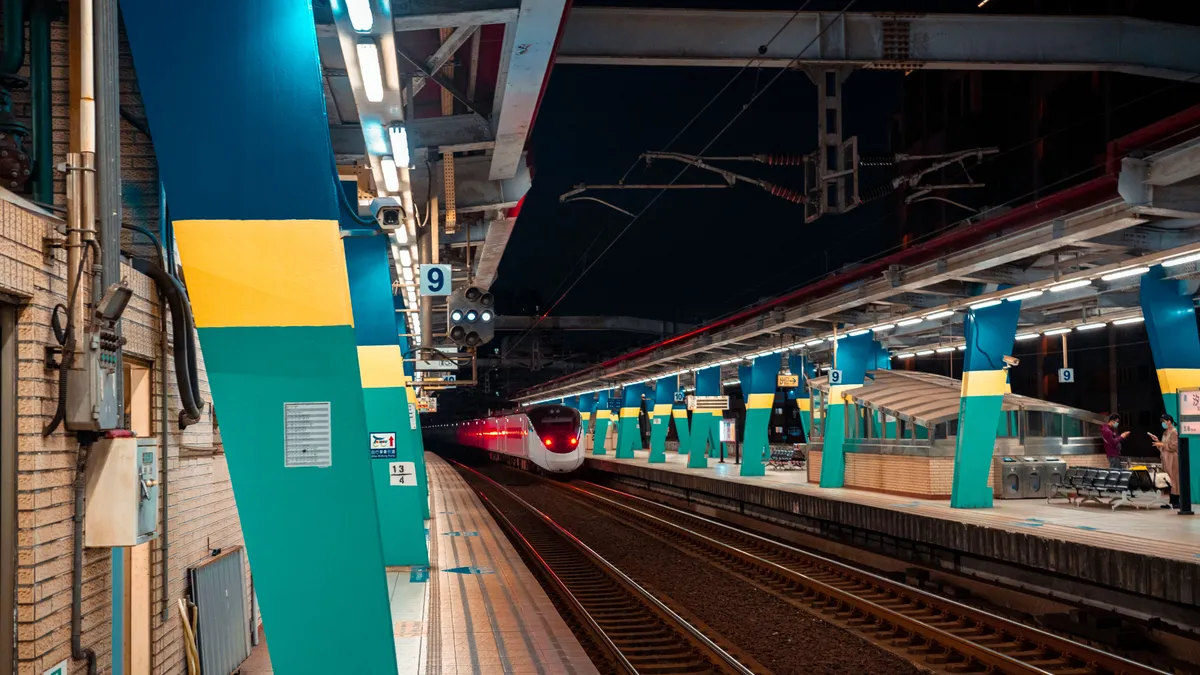
Arrive with enough time to find the platform and your carriage. Follow the signs and the ticket's boarding instructions. Keep your ticket available for inspection and store luggage without blocking aisles or doors. Check oversized baggage arrangements with the operator before traveling.
Use our Seoul subway guide for the local station connection. A T-money card is for eligible local transport; it does not replace an intercity train reservation.
If plans change
If a departure is sold out, compare a different time, an alternative station you can realistically reach, or a coach route. Holiday trains and buses can both sell out. Do not arrive expecting an unreserved seat to be available.
For cancellation or a missed departure, use the operator's support and current ticket conditions. Save the original booking reference, explain the problem clearly, and check any replacement fare before paying.
Read operator notices in context
SR's July 2026 notice addresses commuter and multi-ride products and possible schedule changes. It does not establish one app or a 10% discount for every ordinary ticket. Check the current booking result for your journey.
Frequently asked questions
›Where should I book a KTX ticket?
Start with KORAIL’s official reservation service. Check the train type, departure station, date, fare and payment instructions on the current booking screen.
›Are Seoul, Yongsan and Suseo the same station?
No. They are separate stations. Use the departure station printed on your ticket and include travel time to that station when planning your journey.
›What if my preferred train is sold out?
Compare another departure or route, and check the operator’s available ticket options. Do not count on standing tickets or extra holiday services being available.
›Can I cancel a ticket for free?
Read the cancellation terms for your ticket before paying. Fees and deadlines depend on the product and timing; keep the confirmation and change plans early.
Sources and updates
Last edited on October 12, 2026. Sources support the specific details discussed in the guide; check the provider for current prices, availability and eligibility.