Gongju in Two Days: Baekje History, a Riverside Fortress and Royal Tombs
Plan two days in Gongju with Gongsanseong Fortress, royal-tomb exhibitions and the national museum, including bus and KTX connections.
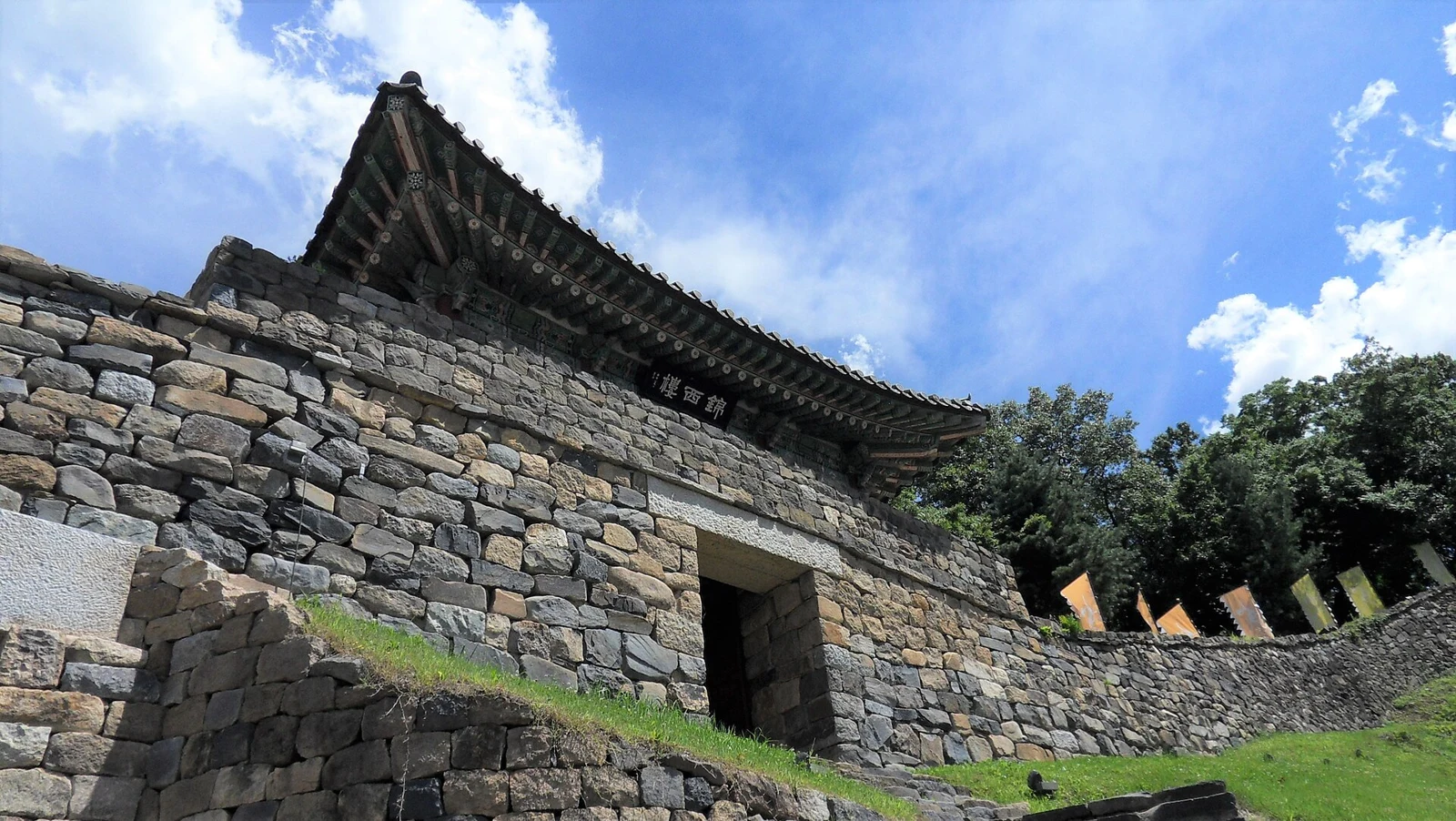
Gongju, then called Ungjin, served as a royal capital of the Baekje kingdom in the late 5th and early 6th centuries. Today it is a small, calm city, and two of its sites belong to the Baekje Historic Areas, a UNESCO World Heritage Site that also includes sites in Buyeo and Iksan. The whole city is not a World Heritage Site: in Gongju, the listed components are Gongsanseong Fortress and the royal tombs at Songsan-ri. This plan stays in Gongju; Buyeo deserves its own unhurried trip rather than a rushed add-on.
Getting there: bus terminal or KTX station
Many visitors from Seoul take an express or intercity bus to Gongju's bus terminal, on the north side of the Geum River. From there, Gongsanseong and the old town are across the river, a taxi or local bus ride away, or a walk over the bridge if you are travelling light. Our express bus guide explains terminals, tickets and boarding.
Gongju KTX Station sits on the Honam high-speed line well outside the city. You can't walk from it to the fortress, tombs or museum; you will need a connecting bus or taxi, so build waiting time into your plan in both directions.
Where to stay
Stay in central Gongju on the south side of the river, near Gongsanseong or the old downtown. You can then walk to the fortress in the late afternoon and reach the tombs and museum by taxi or bus on day two. For hanok-style accommodation, compare the actual address and transport connections before booking. A hotel by the bus terminal is convenient for arrival and departure but puts the river between you and the main sights.
Day 1: Gongsanseong Fortress and the Geum River
Gongsanseong wraps around a wooded hill on the south bank of the Geum River. It began as a Baekje-era fortification and was later rebuilt in stone, and its wall path, gates and pavilions now make one of the region's best walks. The KTO fortress page gives a good overview.
You don't need to complete the full circuit. Pick a section that suits your energy: the area around the main west gate is the most photographed, while the river-facing stretch toward the northern pavilion gives views over the water. Be aware that the wall path is not flat. It has steep slopes, uneven stone steps and narrow sections, and parts are not suitable for wheelchairs, strollers or anyone unsteady on their feet. Turn back whenever it feels like enough; the views reward even a short climb.
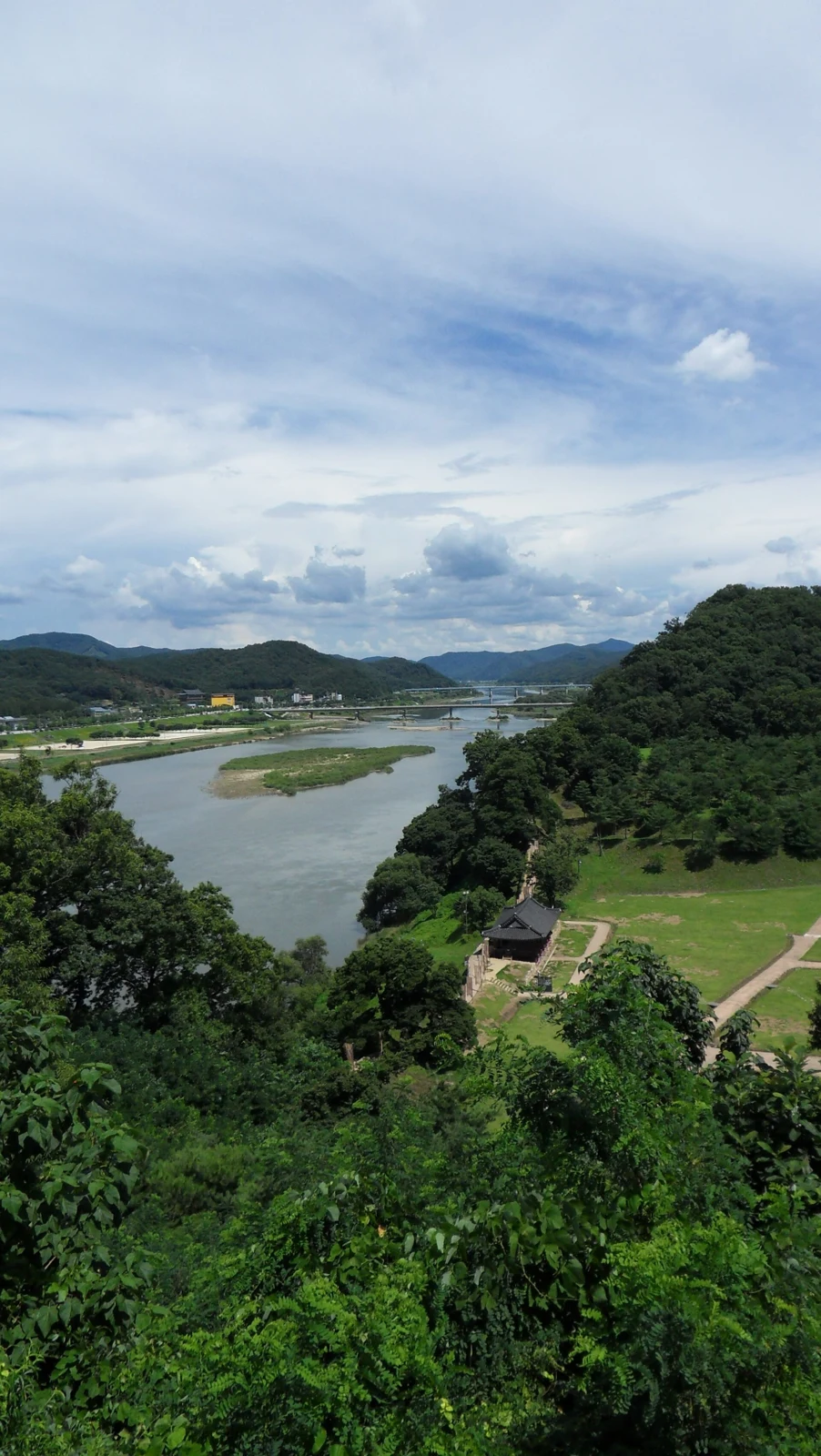
Afterwards, walk down to the riverbank paths for the late-afternoon light, then head into town for dinner. Gongju is known for chestnuts, so if you have room, look for a chestnut dessert or bread in a cafe. It is an optional treat, and availability varies by shop and season.
Day 2: The royal tombs and Gongju National Museum
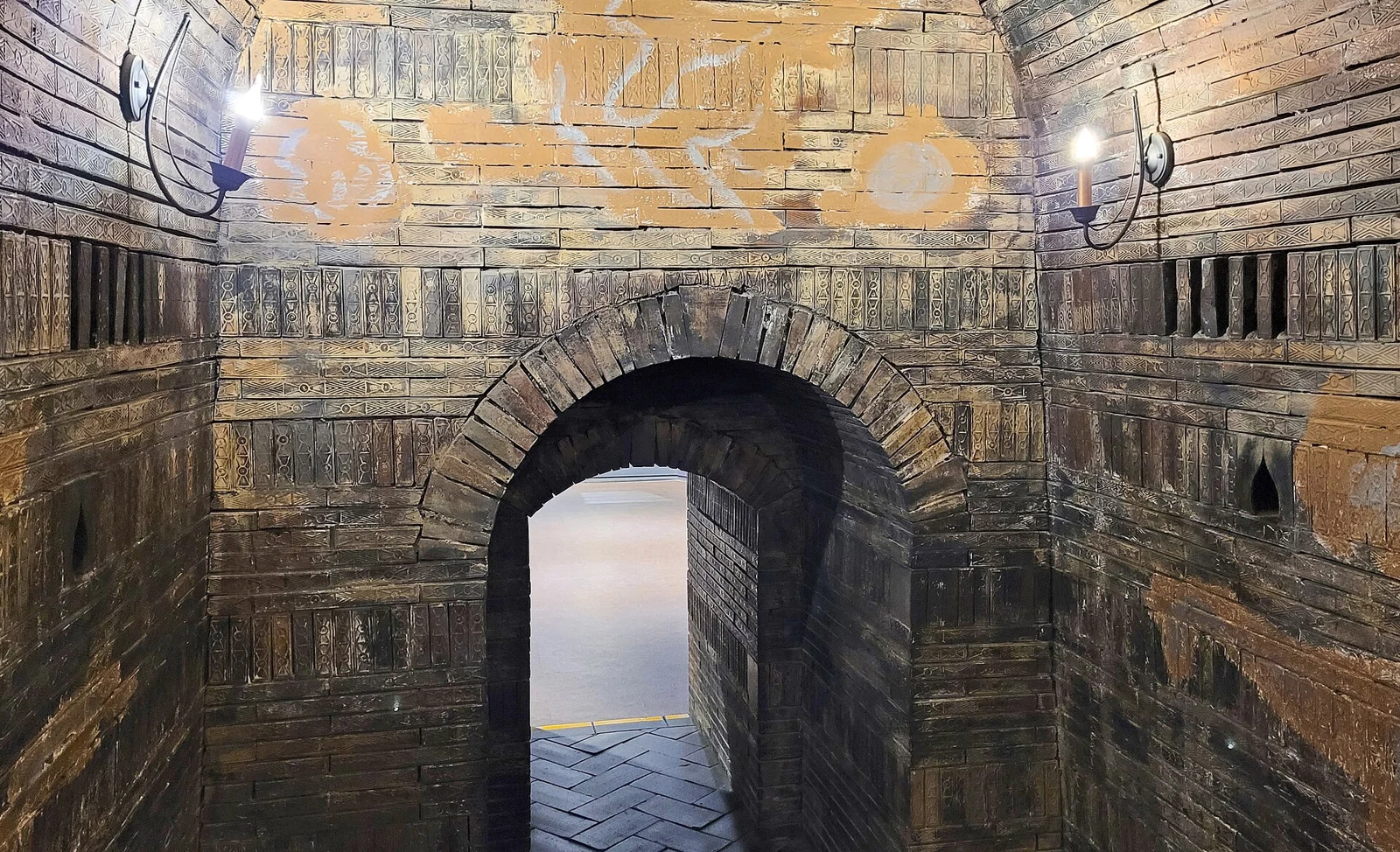
Start at the Royal Tombs of King Muryeong and Songsan-ri, a group of Baekje royal tombs on a grassy hillside. King Muryeong's tomb was found intact in 1971, an exceptional discovery that identified its royal occupant. The original tomb chambers are sealed for preservation, so you can't walk inside them. Instead, the on-site exhibition hall shows replica chambers and explains the excavation, and you can walk among the mounds outside. The KTO tombs page has background.
Gongju National Museum is a separate institution a short distance away, and it holds many artifacts excavated from King Muryeong's tomb. Displays can rotate for conservation or special exhibitions, so a particular object may not always be on view. According to the museum's official site, it closes every Monday, with a substitute-holiday rule published on its calendar, and on January 1, Seollal and Chuseok. Check the calendar before you go. The KTO museum page adds visitor context.
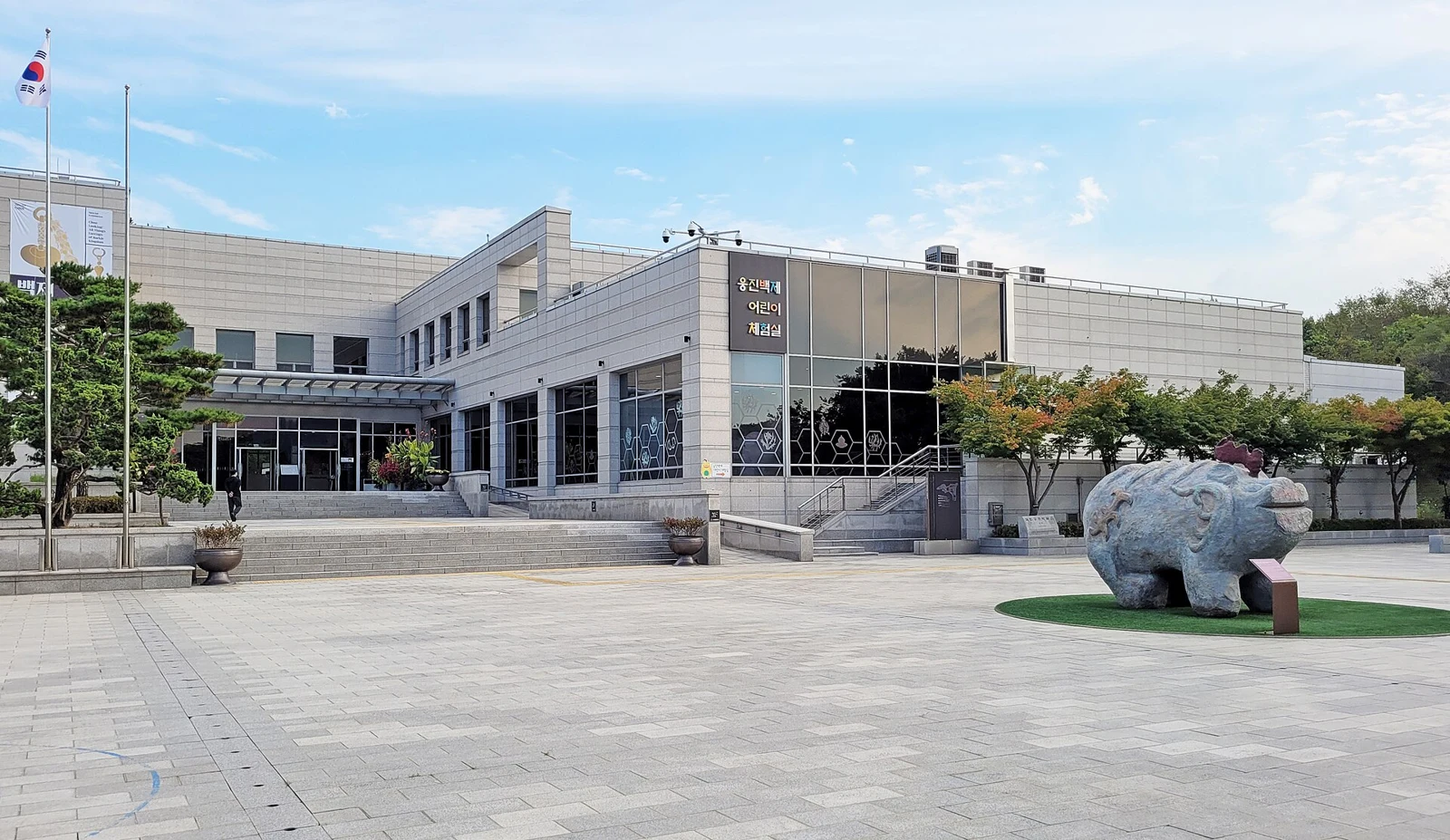
Allow a relaxed morning for both sites, then return to the bus terminal or catch your connection to Gongju KTX Station. If you enjoyed this kind of trip, our Gyeongju two-day heritage guide follows a similar pace.
Two-day itinerary at a glance
| Day | Time | Plan | Getting around |
|---|---|---|---|
| 1 | Morning | Arrive at bus terminal or Gongju KTX Station | Walk or taxi from terminal; bus or taxi from KTX |
| 1 | Afternoon | Gongsanseong: one wall section of your choice | Walk |
| 1 | Late afternoon | Geum River paths, dinner in town | Walk |
| 2 | Morning | Royal tombs exhibition hall and grounds | Taxi or bus |
| 2 | Late morning | Gongju National Museum (check closing days) | Short walk or taxi |
| 2 | Afternoon | Departure | Bus or taxi |
Frequently asked questions
›Can I go inside King Muryeong's tomb?
No. The original chambers are closed to protect them. The exhibition hall at the site shows replicas, and the museum holds excavated artifacts.
›Can I walk from Gongju KTX Station to the city centre?
No. The station is far outside the city. Use a connecting bus or taxi, and allow extra time.
›Is all of Gongju a UNESCO World Heritage Site?
No. Gongsanseong Fortress and the royal tombs at Songsan-ri are components of the Baekje Historic Areas, alongside sites in Buyeo and Iksan.
›Is Gongsanseong easy to walk?
Parts are steep and uneven. Choose a short section, wear shoes with grip and turn back whenever you like.
Sources and updates
Last edited on November 18, 2026. Sources support the specific details discussed in the guide; check the provider for current prices, availability and eligibility.