Gyeongju in Two Days: Silla History, Palace Ponds and Time to Walk
Explore Gyeongju in two days: Silla tombs, Cheomseongdae ice cream, a hanok cafe, Woljeonggyo at night and a separate Bulguksa outing.
Beyond Seoul · Part 2
Gyeongju was the capital of the Silla kingdom for close to a thousand years, and much of that history still sits in the open: grassy royal tombs, old palace grounds and stone monuments within a walkable core. The trick to enjoying it is pace. Treat the downtown heritage area as one unhurried day and the big temple outside town as another, rather than trying to cover everything in one rush.
Who Should Choose Gyeongju
Choose Gyeongju if you want history you can walk through, with low-rise streets, open green spaces and a slower rhythm than Seoul or Busan. It suits couples, families and anyone who likes to read the signs at each site. If you want nightlife or a beach, look elsewhere.
Arriving: Check Which Station You Are Using
The former Singyeongju high-speed station is now called Gyeongju Station, as the city announced in December 2023, and the old downtown station closed in 2021. This catches people out. The current station is outside the historic center, so you will need a local bus or taxi to reach the tomb park and your accommodation. Check the station's location on a map and plan the transfer before you travel. Our KTX train guide explains booking, and our taxi guide helps with the last leg.
Where to Stay
Stay in or near the downtown heritage area. From there you can walk to the tombs and Hwangnidan-gil, and return to Donggung Palace and Wolji Pond after dark without a long ride. A base further out can work, but include the return journey in your evening plan before booking.
Day 1: The Downtown Heritage Cluster
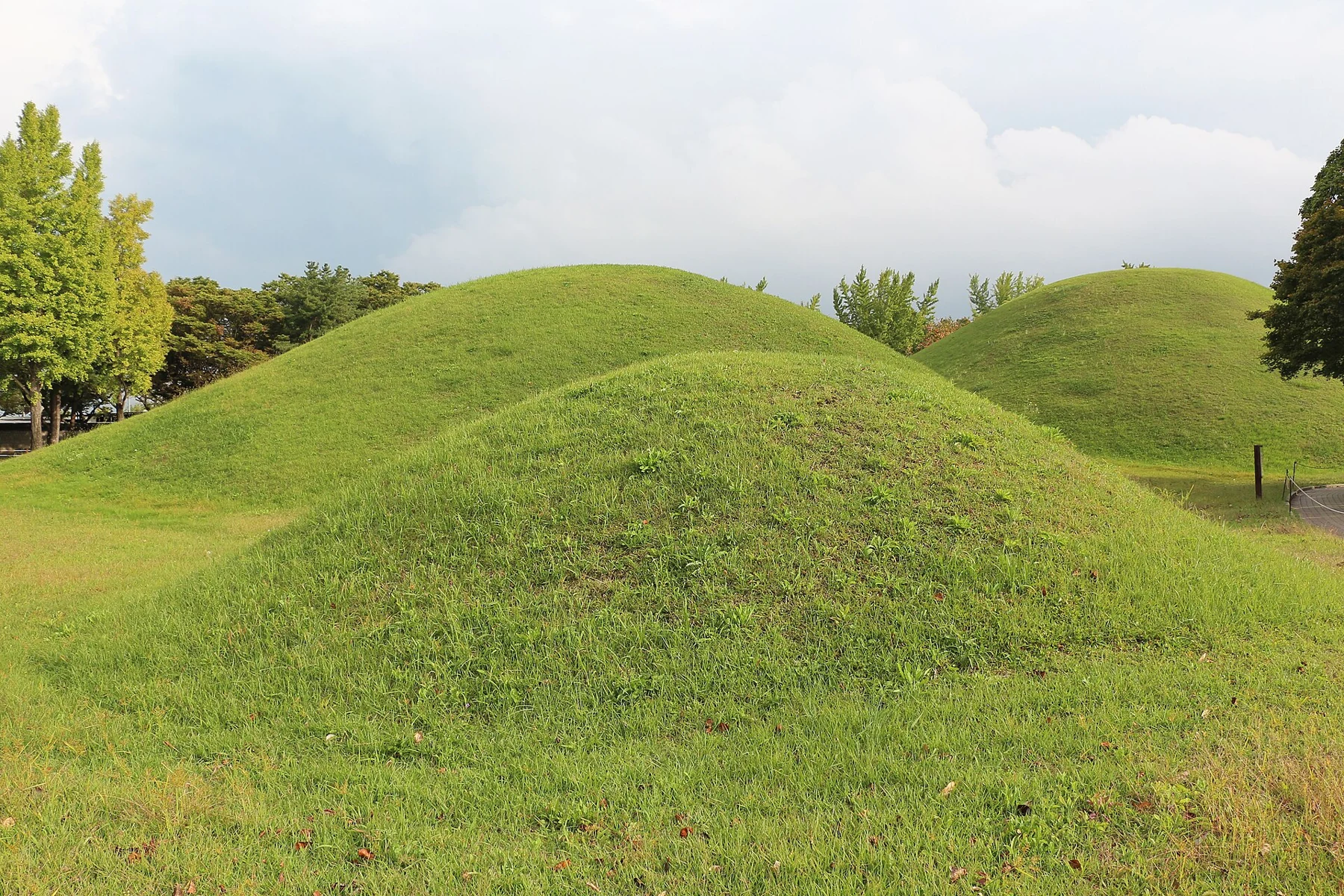
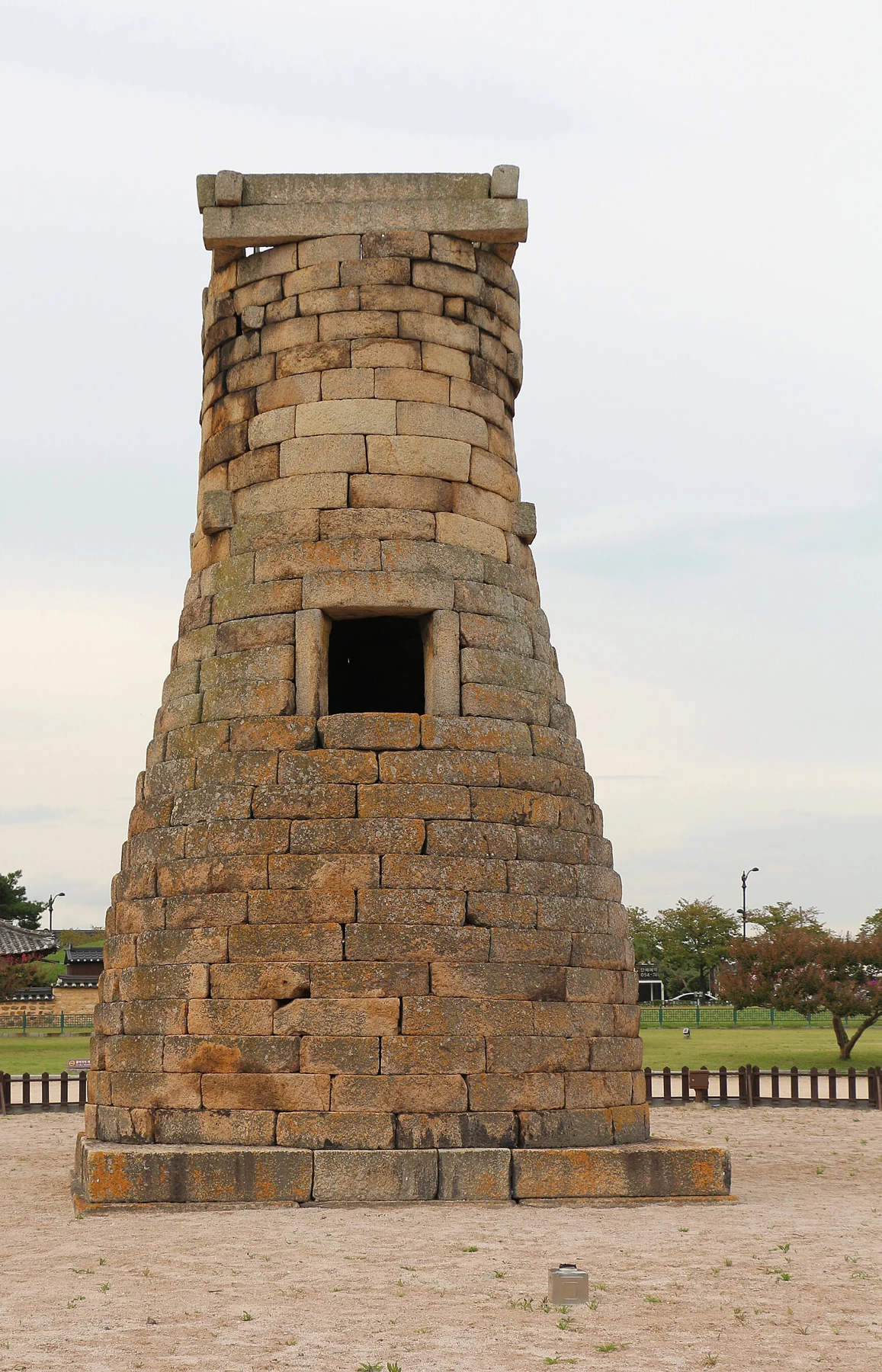
Begin at Daereungwon, the ancient tomb complex where large grassy mounds rise between the paths. Stay on the marked paths and do not climb the mounds; they are royal burial sites, not hills. From there it is a short walk across open ground to Cheomseongdae, the stone observatory tower, which is small but worth seeing in context.
If menus look unfamiliar during your meal break, our guide to ordering at a Korean restaurant will help.
Cheomseongdae-Shaped Ice Cream (Optional)
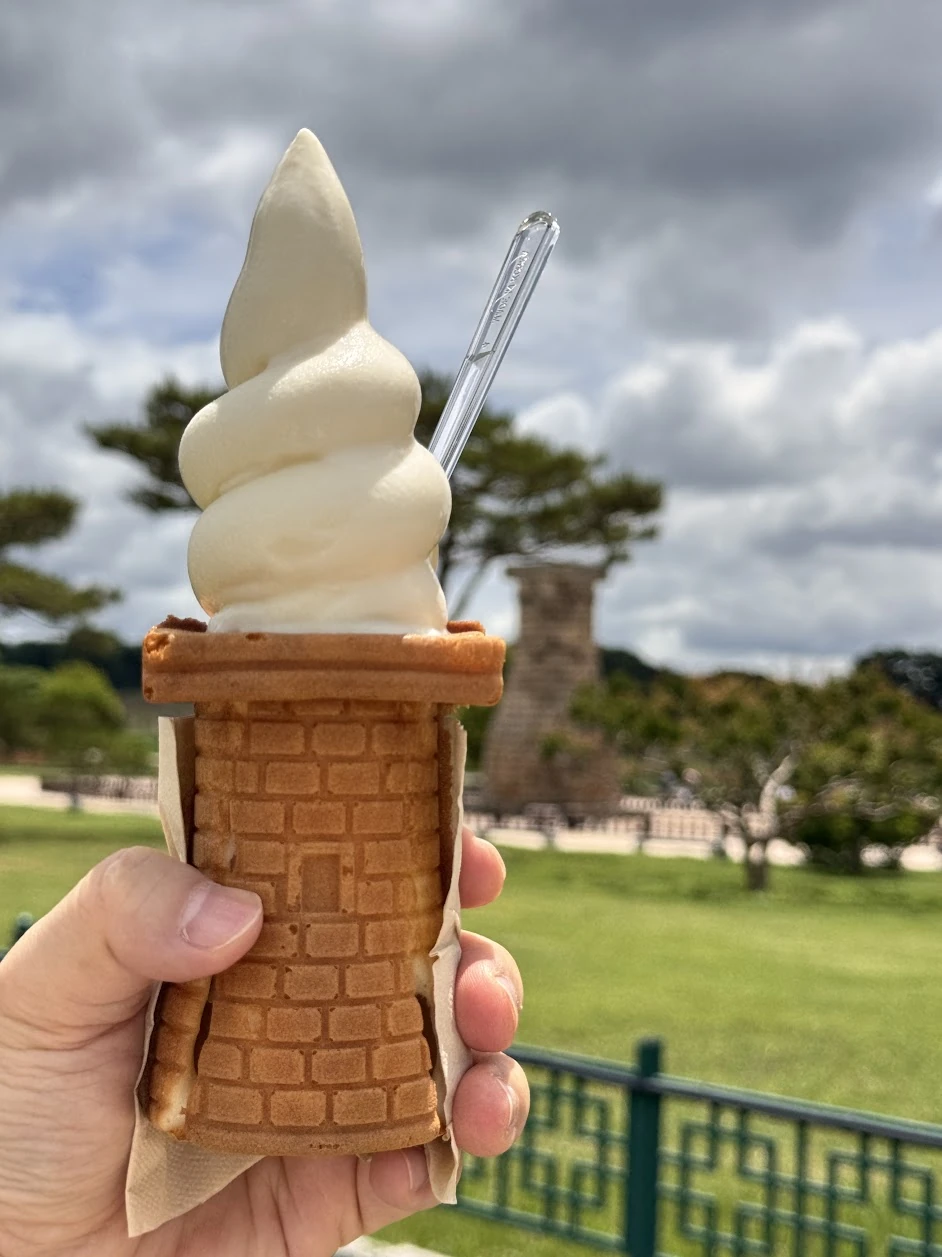
Around Cheomseongdae, you may come across pale soft-serve in a waffle cone patterned like the observatory’s stone tower. It makes an easy snack or photo pause between Daereungwon and Hwangnidan-gil: hold the cone up with the real Cheomseongdae behind it for a playful side-by-side shot. Treat it as optional, and keep the stop brief if you want daylight for the rest of your walk.
A Hanok Café Break: DO NOT DISTURB BAKERS
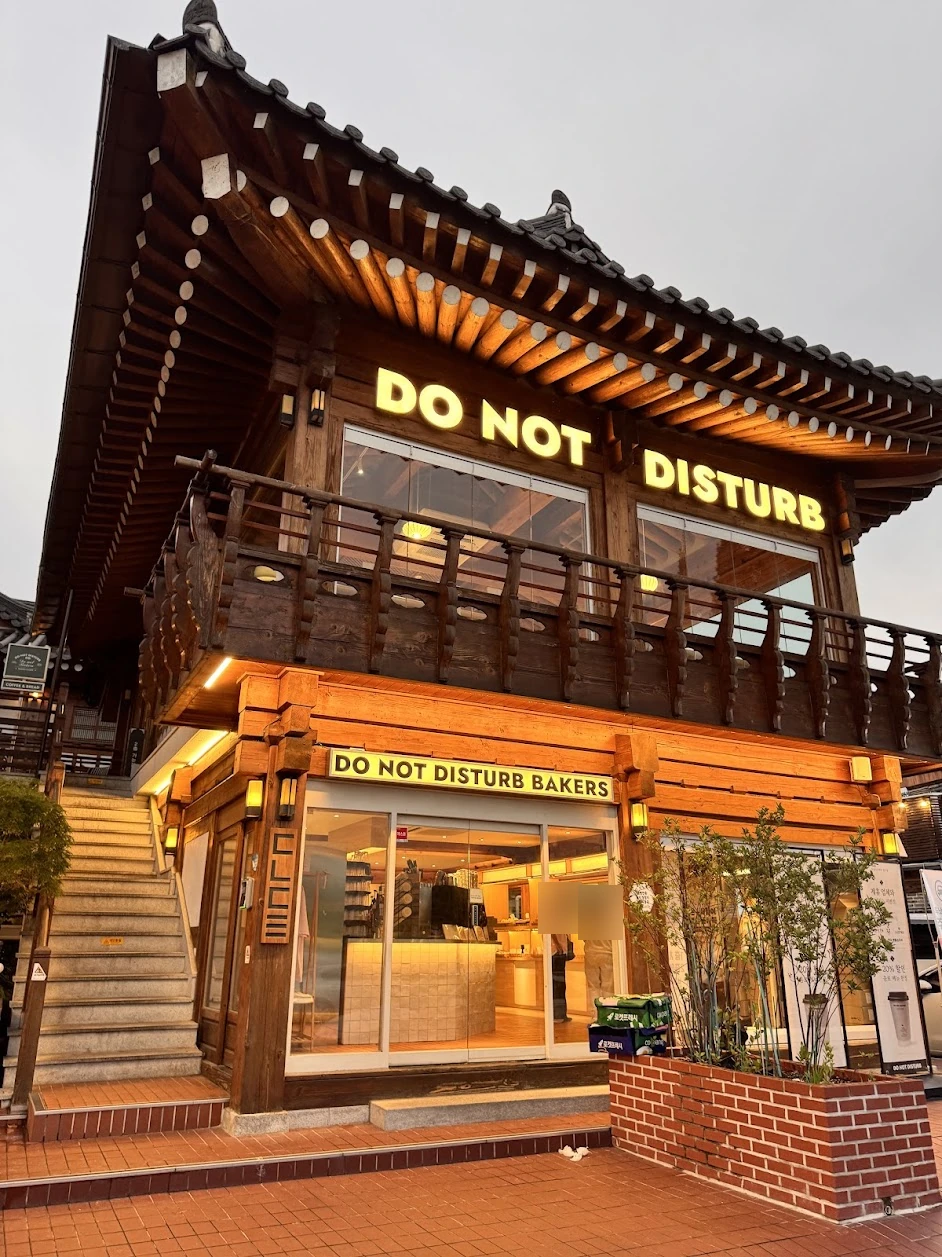
If you need a rest around Hwangnidan-gil, consider this coffee and bakery storefront in a two-story wooden hanok-style building. Look for the “DO NOT DISTURB” and “DO NOT DISTURB BAKERS” signs. The traditional architecture offers a visual contrast to the royal tombs and stone monuments seen earlier in the day. Hours and offerings can change, so check current details before you go, and treat it as an optional break rather than a fixed stop.
Choose an Evening Stop
If you still have energy, go to Donggung Palace and Wolji Pond in the evening. This was a Silla palace site, and on a calm night the pavilions reflect in the water. Check current opening hours before you go, and do not assume the illumination will be on every night.
Woljeonggyo Bridge After Dark
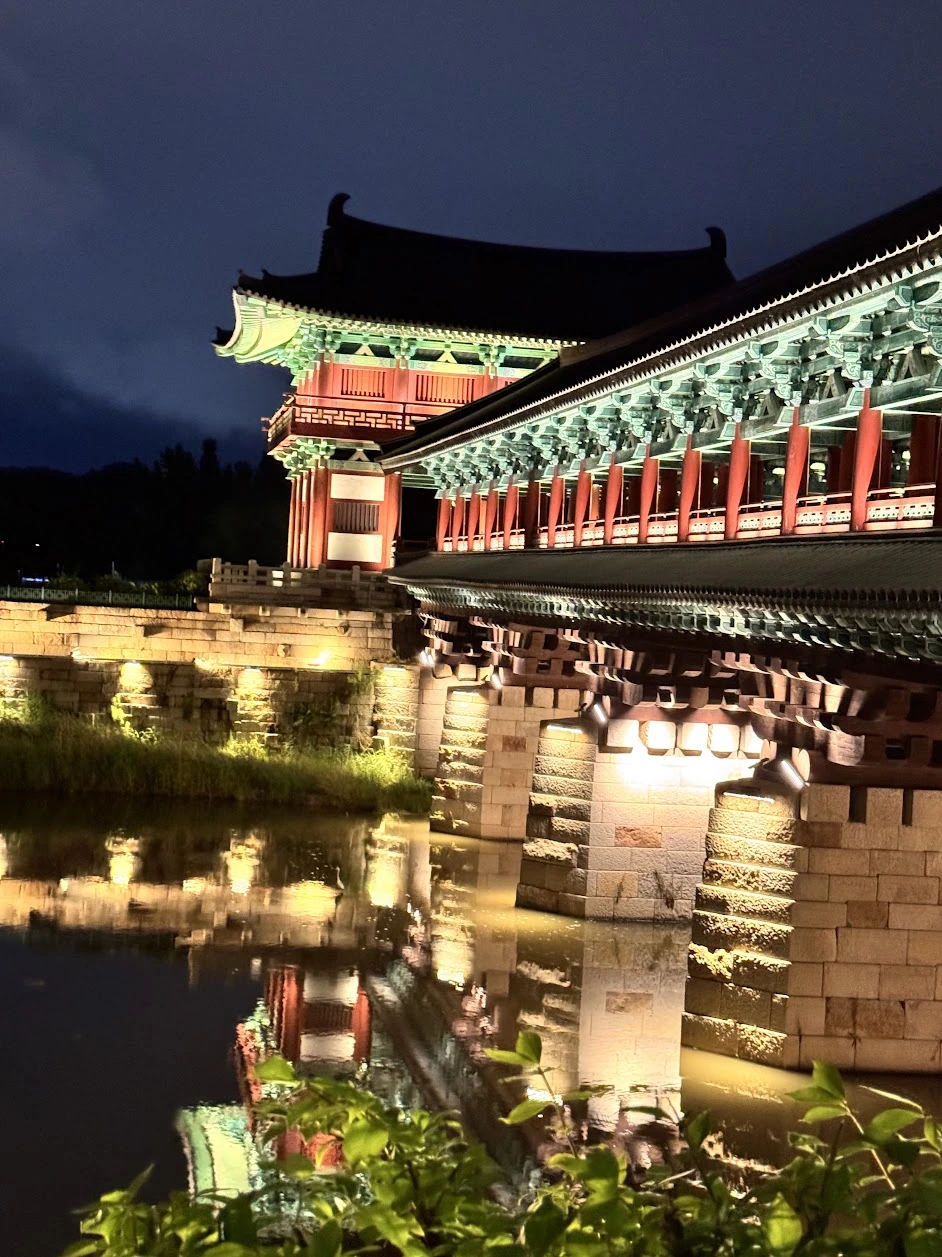
In Gyo-dong, Woljeonggyo Bridge glows after dark, its red pillars and green-painted roof structure illuminated and reflected in the river. Note that this is a reconstruction: the original bridge dates to the Unified Silla period, and the rebuilt version was completed in April 2018. Enjoy it as a modern re-creation of a Silla-era bridge, not an untouched ancient structure.
Choose Woljeonggyo or Donggung Palace and Wolji Pond as your evening focus rather than rushing both. Either way, allow time to return to your hotel, and check current access and lighting notices before heading out, because illumination schedules are not guaranteed.
Day 2: Bulguksa as Its Own Excursion
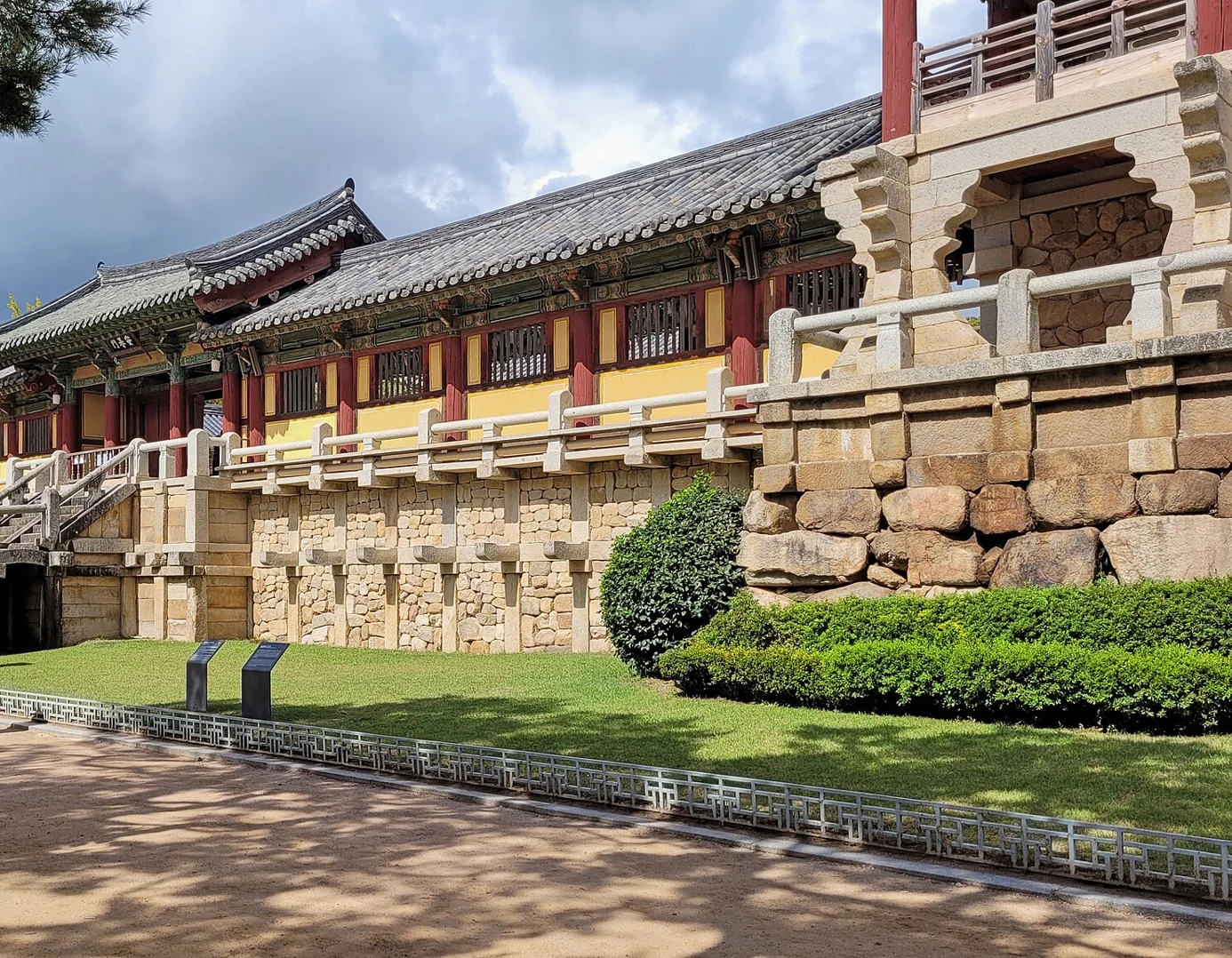
Give Bulguksa most of your second morning. This UNESCO-listed Buddhist temple is known for its stone bridges and pagodas, and it rewards slow looking. It sits outside the center, so check current bus or taxi options on the day rather than relying on an old shuttle timetable found online.
Seokguram Grotto and the Bomun Lake area each require their own transport planning. Neither should be treated as a quick walk from the downtown cluster. Consider one additional stop only after checking the route and your return connection.
A Rain or Learning Alternative
Gyeongju National Museum is a strong indoor option for Silla heritage, whether it is raining or you simply want context before visiting the sites. Check the museum's current gallery and closure notices before you go.
What to Skip When Time Is Short
If you have only one day, do the downtown cluster and choose Donggung or Woljeonggyo after dark, and save Bulguksa for another trip. Do not try to squeeze in Bomun just because it looks close on the map.
More in the Beyond Seoul series: Busan in Two Days, Jeonju Overnight.
Frequently asked questions
›Can I walk from Gyeongju Station to the tombs?
Not realistically. The current Gyeongju Station is outside the historic center, so plan a bus or taxi for the transfer.
›Are Donggung Palace and Wolji Pond lit up every night?
Night views are the main draw, but do not assume lighting or hours are the same every day. Check current information before heading out.
›Can I see Bulguksa, Seokguram and Bomun in one day?
It makes for a rushed day. Plan Bulguksa first, add one other stop only after checking the route and your return connection, and leave room to walk slowly.