Korea with Kids: Strollers, Meal Breaks and an Easier Family Itinerary
Plan a gentler Korea trip with children: stroller routes, hotel questions, meal breaks, indoor alternatives and one manageable main activity each day.
Who this guide is for
This is for families on a first trip to Korea with an infant, a toddler or a school-age child. It's a practical planning guide, not a full accessibility guide. Every family is different, so adjust the pace to your own children.
One anchor a day
The simplest rule for a family trip is one main activity each day. Choose your anchor, add a meal and a rest, and treat anything else as a bonus. Trying to fit a palace, a museum and a market into one day usually ends with tired children and tired parents.
The Korea Tourism Organization publishes suggested family itineraries that are useful for ideas. Treat them as inspiration rather than a schedule, because what suits one age group may not suit another.
A sample day by age
| Age group | Anchor activity | Rest | Rainy-day fallback |
|---|---|---|---|
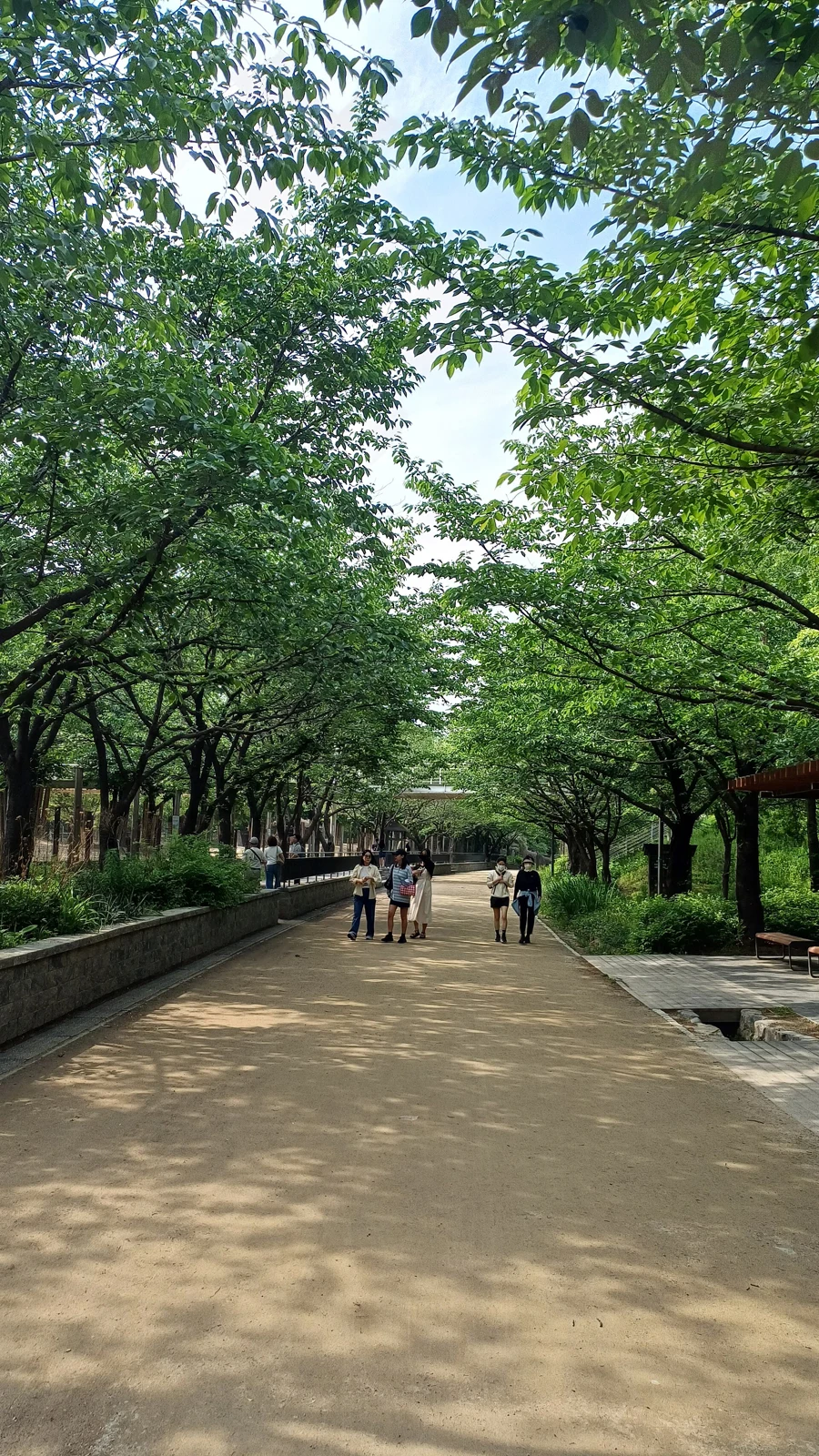
| Infant | A gentle park walk, such as Seoul Forest | Back to the hotel for midday naps and feeds | An indoor shopping centre with a feeding room, where available |
| Toddler | Seoul Children’s Museum in Gwangjin-gu (check booking first) | A long lunch, then a hotel break | An indoor museum or aquarium |
| School-age | The National Museum of Korea, including any family activities on offer | A café or picnic break | National Folk Museum of Korea, with a suitable booked session |
Getting around with a stroller
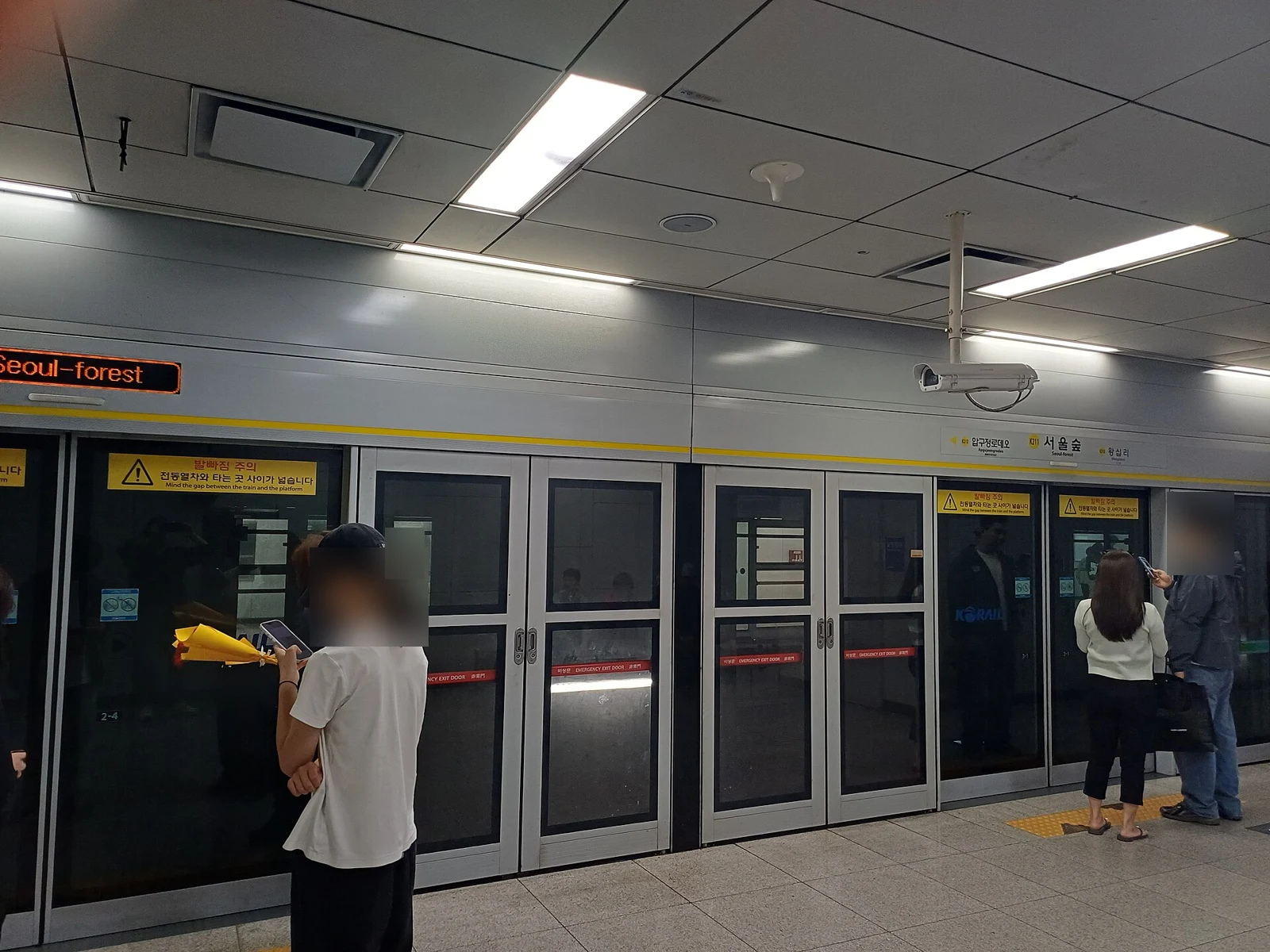
Korea's cities have plenty of lifts and ramps, but they aren't everywhere. Not every subway station, exit or route is step-free, and a lift may be out of service on the day. Before you set off, check which exit has a lift and whether it's working, and have a backup plan, such as a taxi or a different exit.
Our Seoul subway guide explains how the system works. Visit Seoul's accessible Seoul page is also worth a look.
The Korea Tourism Organization's accessible travel map lets you look for places with stroller rental and feeding rooms, and it has a filter for families with toddlers. Facilities can change, so treat it as a starting point and check with the venue if a feature really matters to you.
Hotels: ask before you book
Rooms in Korea can be compact, and rules about occupancy and children vary. Before you book, ask:
- how many people the room allows, and whether children count
- what bed setup you'll get
- whether a cot is available, and whether it's free
Our hotel check-in guide for Korea covers what to expect when you arrive.
Taxis and car seats
Don't assume a taxi will have a child car seat. If you need one, confirm it directly with your transport provider when you book, or plan to bring your own. Rules and availability are things to check for your own situation rather than assume.
Meal breaks that work
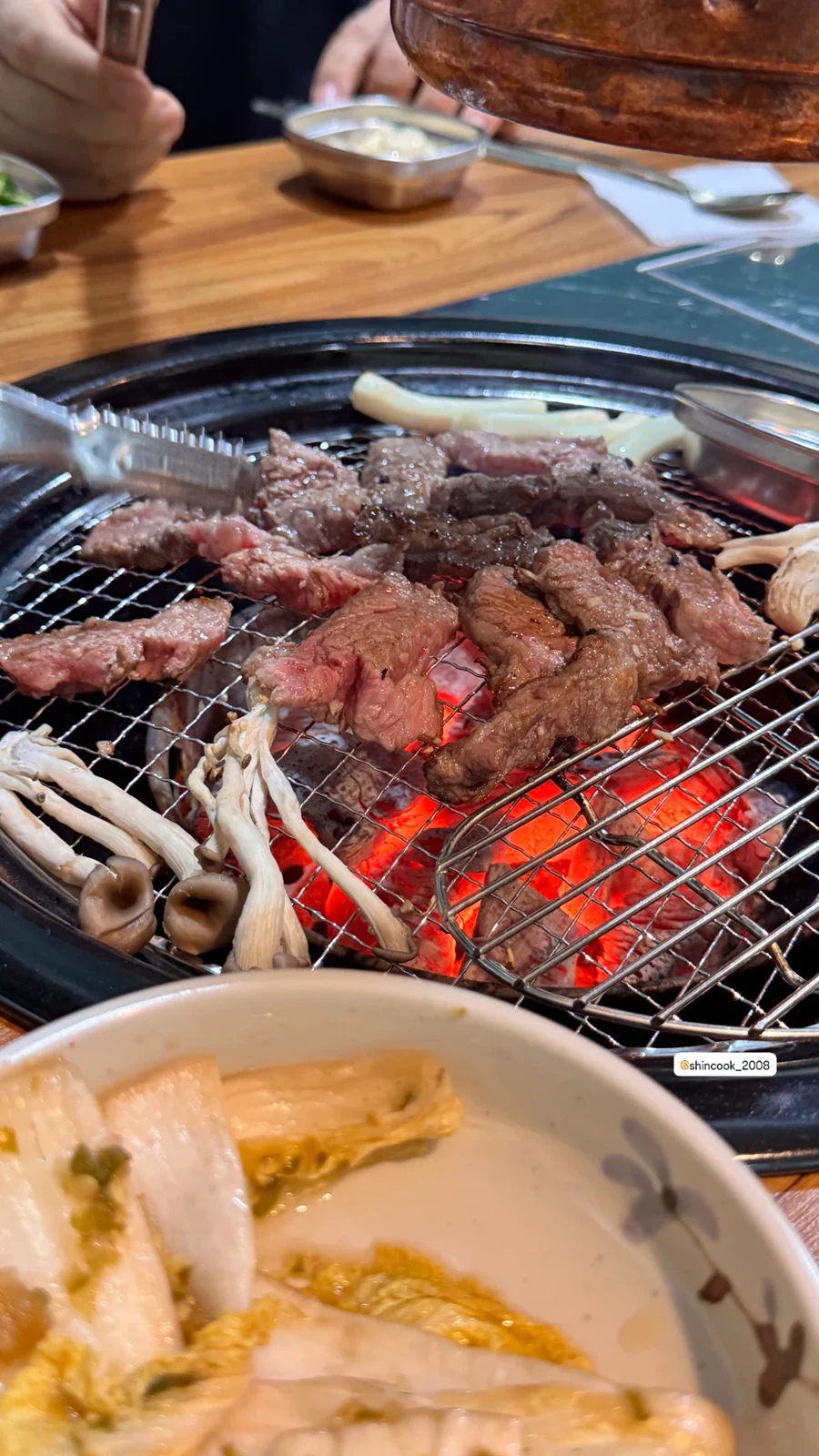
Korean restaurants are often welcoming to families, but every restaurant is different. Before you sit down, it helps to check:
- whether high chairs or children's seating are available
- whether there's a minimum order per person
- whether the menu has mild options, or anything that suits your child's diet
Keep mealtimes flexible. If your children are hungry early, eat early. Having familiar snacks in your bag takes the pressure off when lunch runs late.
Museums, parks and booking
Some family attractions need or recommend booking. Seoul Children’s Museum, next to Children’s Grand Park in Gwangjin-gu, publishes its admission and reservation arrangements. The National Museum of Korea’s Children’s Museum has its own reservation information. Check the exact venue and session before travelling.
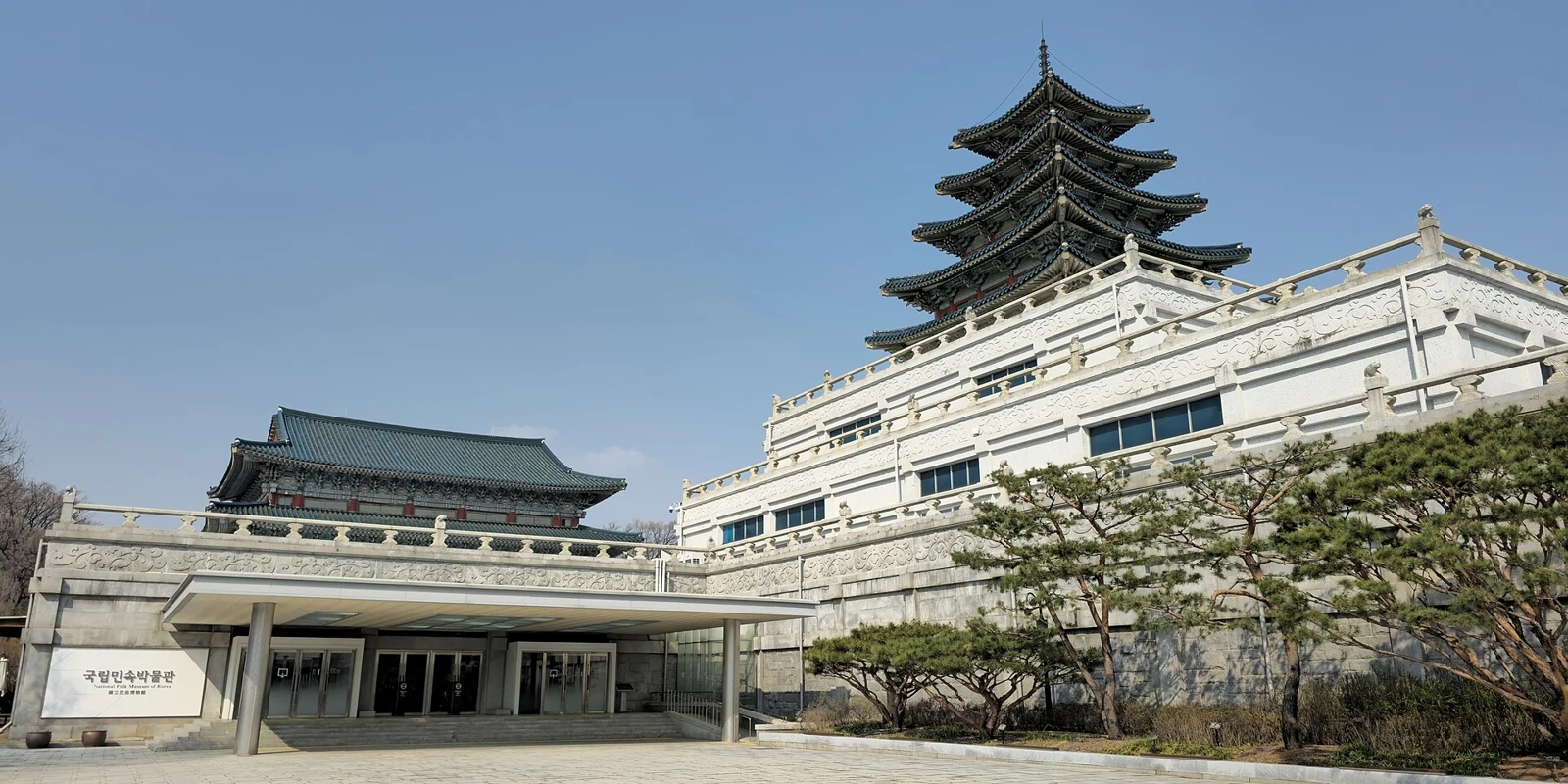
The National Folk Museum of Korea in Seoul, pictured below, is another option near Gyeongbokgung. Its visitor information says online pre-reservation is mandatory for the Children’s Museum. If you cannot complete Korean-language verification, consult its English reservation guidance and contact the museum for help; admission is not guaranteed. As checked on 18 November 2026, Permanent Exhibition Hall 1 is temporarily closed from 30 September to 21 December 2026; check the museum notice before planning your visit.
Parks such as Seoul Forest are lovely for a slow walk, but check the weather first. Hot, cold or wet days can change your plans quickly.
Keep a rest break in the plan
Going back to your hotel in the middle of the day can make the afternoon far easier. Choose a hotel near the area you'll visit most, so the round trip is short. Plan your anchor for the morning, rest after lunch, and keep the late afternoon light.
Frequently asked questions
›Is Seoul stroller-friendly?
In many places, yes, but not everywhere. Check lifts and exits before you go, and have a backup plan.
›Do Korean taxis have car seats?
Don't assume they do. Confirm with your transport provider in advance, or bring your own.
›Where can I find feeding rooms?
Search for 수유실 (feeding room). The Korea Tourism Organization’s accessible travel map lists places with feeding rooms where available. Check with the venue too.
›How many activities should we plan each day?
One main activity is usually plenty. Add a meal and a rest, and treat everything else as optional.
Sources and updates
Last edited on November 18, 2026. Sources support the specific details discussed in the guide; check the provider for current prices, availability and eligibility.