Gyeongbokgung Palace: Tickets, Closed Days and a First-Visit Route
Gyeongbokgung tickets, Tuesday closure, last entry by season, hanbok free-entry rules and a simple first-visit route for international visitors.
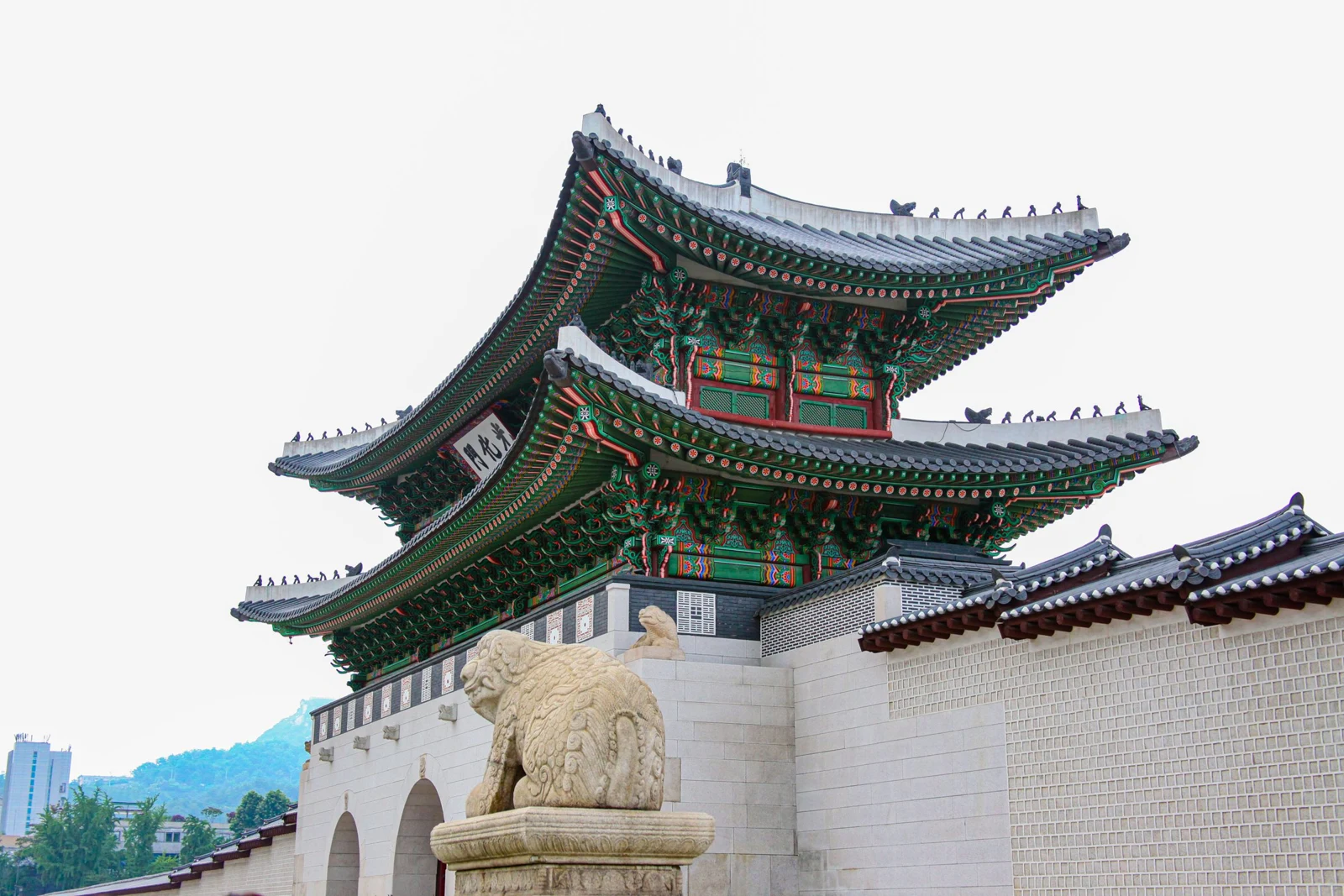
Gyeongbokgung was the main royal palace of the Joseon dynasty, founded in 1395. It was damaged, destroyed and rebuilt more than once, so much of what you see today is restored rather than original. On the day itself, three practical things matter more than the history: which day it closes, when the last entry is, and what counts as hanbok for free admission.
Current dates: late October and November 2026
Checked October 28, 2026. These dates expire.
Free admission Oct 29–Nov 15, 2026, excluding closure days. Tuesdays stay closed, so the palace is not open on Nov 3 or Nov 10. Last entry is 17:00 through the end of October and 16:00 in November. Free guided tours in this period run 30 minutes shorter. See the operator notice.
Visiting Oct 29–Nov 1? The regular 10:00/14:00 guard-changing routine changes for the Cheopjong event. Oct 30–Nov 1: inspection at 11:00 and 14:00 in Heungnyemun Square; replacement guard duty at Gwanghwamun at 10:00 and 13:00. Oct 29: public rehearsal at 11:00. Check the Korea Heritage Agency notice.
Free entry covers general admission only. It does not make hanbok rental free or add any night opening or special program.
Regular hours and the Tuesday closure
The palace opens at 9:00 all year. Closing time follows the season, and last entry is one hour earlier, according to the official admission page.
| Months | Opens | Closes | Last entry |
|---|---|---|---|
| Jan–Feb | 9:00 | 17:00 | 16:00 |
| Mar–May | 9:00 | 18:00 | 17:00 |
| Jun–Aug | 9:00 | 18:30 | 17:30 |
| Sep–Oct | 9:00 | 18:00 | 17:00 |
| Nov–Dec | 9:00 | 17:00 | 16:00 |
The palace is closed on Tuesdays. If a Tuesday is a public or substitute holiday, it can open that day and close on a later day instead, so check the current notice if your trip falls near a Korean holiday.
Last entry and closing are separate deadlines. Walk in just before last entry and you have about an hour, which is not much for grounds this size. For the full route, aim to be inside by early afternoon.
Tickets: what you pay and how to get in
Regular admission:
- Adults aged 19–64: 3,000 won
- Ages 18 and under, and 65 and over: free
- Visitors in qualifying hanbok: free
Treat 3,000 won as the regular price; temporary free periods set it aside for a few weeks at a time. For an ordinary daytime visit, buy at the on-site ticket office when you arrive. You do not need a paid bundle or an advance booking. If you are claiming free entry by age, carry ID that shows it in case staff ask.
Hanbok entry: what actually counts
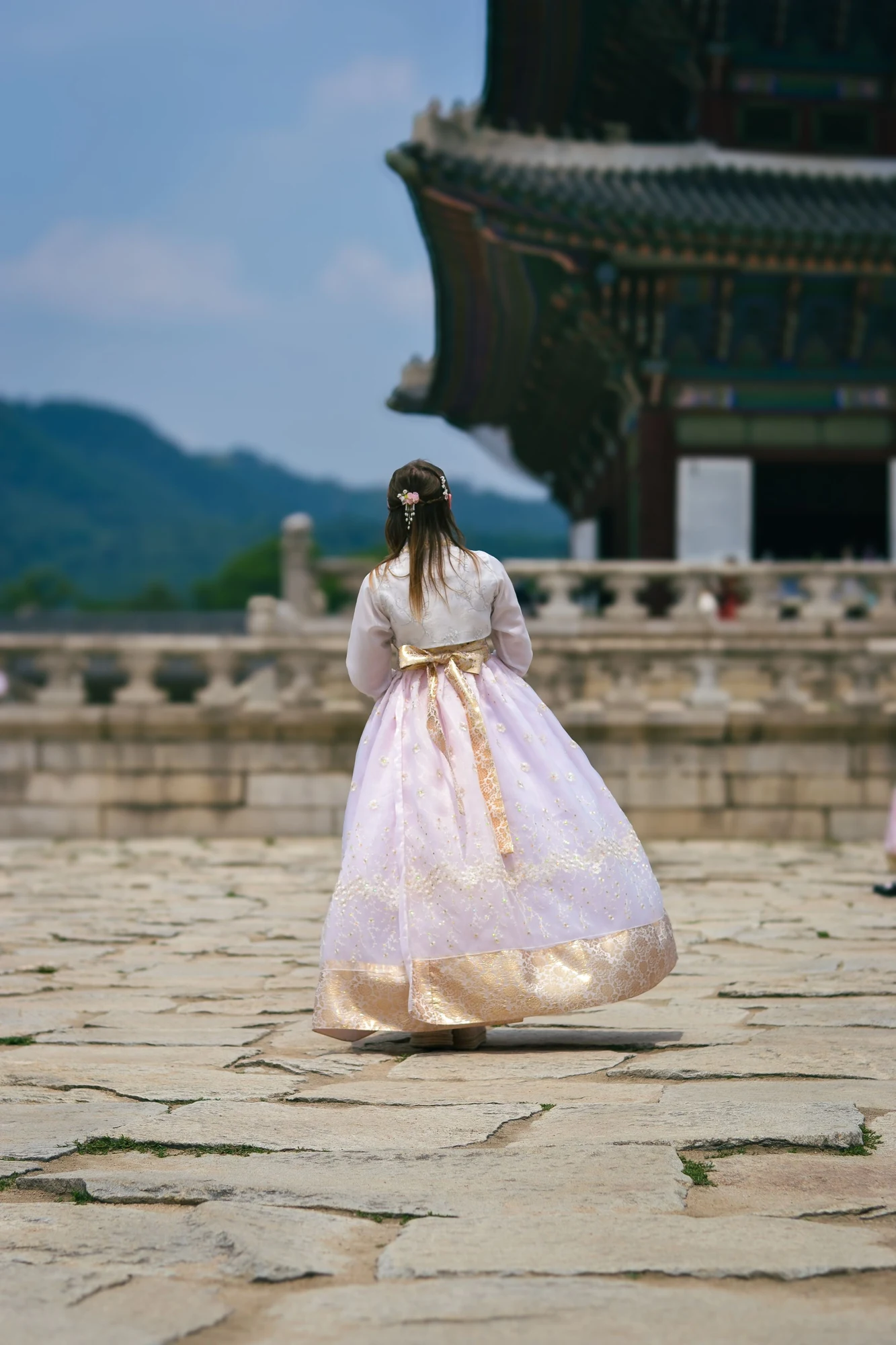
Foreign visitors qualify on the same terms as everyone else, and both traditional and modernized styles can count. What trips people up is that you need the whole outfit: a jeogori jacket with the wrapped collar, plus a hanbok skirt or trousers. A jeogori over jeans does not count. Neither does a hanbok skirt with a T-shirt, or a durumagi overcoat on its own. The official hanbok guidelines have the details.
If you are renting nearby, ask the shop two questions before paying: will this outfit qualify for free palace entry, and what is the total including accessories, hair styling and late-return fees? Rental usually costs far more than a regular 3,000 won ticket, so choose hanbok for the photos and the feeling of crossing the courtyards in it, not to save on a ticket.
Guard ceremony and free tours
On its regular schedule, the royal guard changing ceremony runs at Gwanghwamun at 10:00 and 14:00 for about 20 minutes, with separate guard duty at 11:00 and 13:00. Weather and special events can cancel or replace it, as the late-October change above shows, so check before building your morning around it.
Free English guided tours are listed on the official site. Groups under 10 can simply join; groups of 10 or more should reserve ahead, and a 30-person limit is listed. Times can differ between language pages and tours are sometimes shortened, so confirm the schedule on the day.
A simple first-visit route
Take Line 3 to Gyeongbokgung Station. Official route information points to Exit 4 or 5; from there, follow the palace signs and check your map pin against the entrance you want. Our Seoul subway guide covers fares and transfers, and our map app comparison helps you pick an app for walking directions. Follow the posted gates and staff directions as you enter.
A route that suits most first visits:
- Gwanghwamun, the main south gate and the guard ceremony stage.
- Heungnyemun, the inner gate leading toward the main compound.
- Geunjeongjeon, the main ceremonial hall. Give the courtyard time and look up at the rooflines and painted eaves. An Aug 30, 2026 notice restricts access to the hall's raised stone terrace from Sep 2 to Oct 31, 2026, to protect it. The courtyard remains open. Check the notices for the current status before you go.
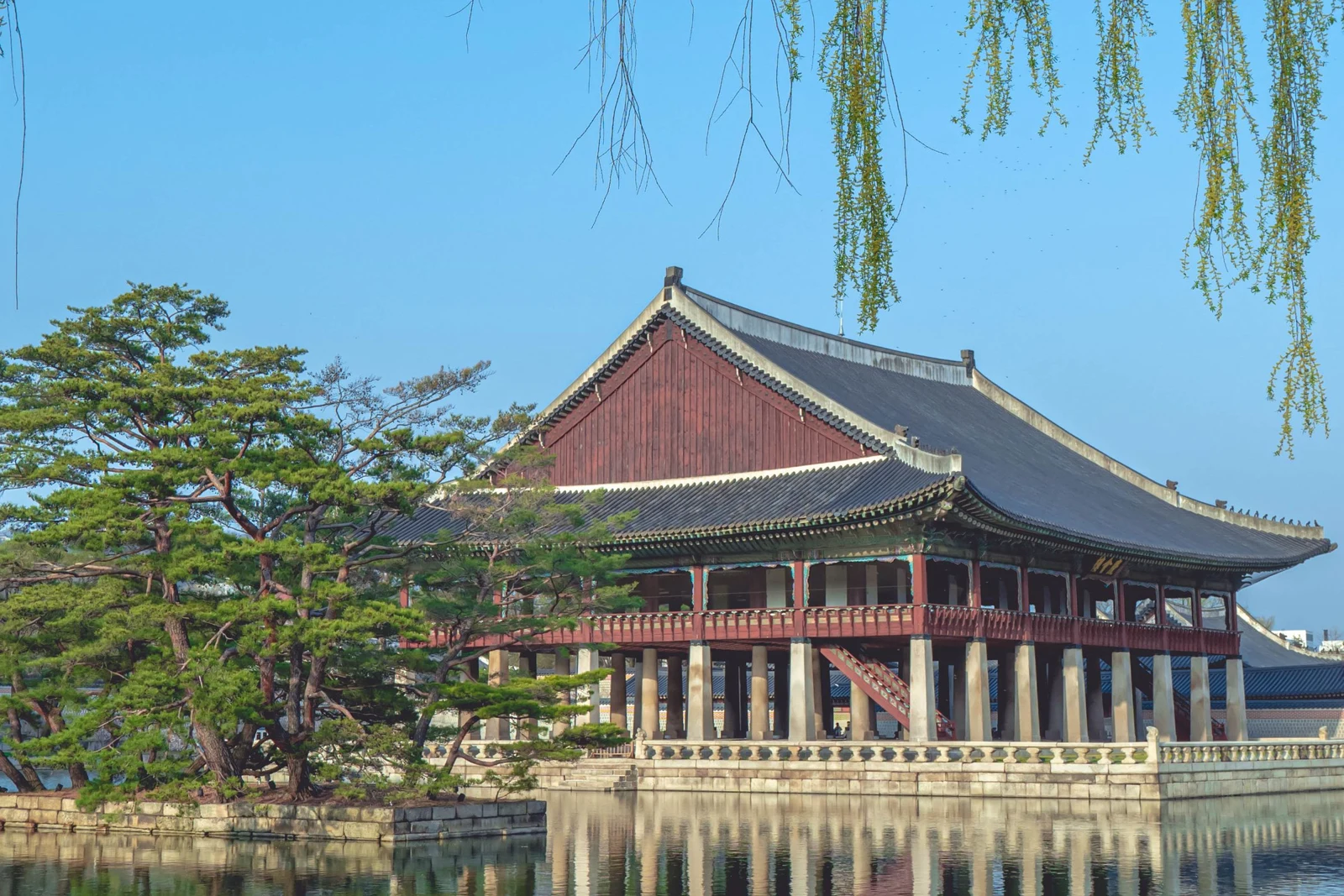
- Gyeonghoeru, the pavilion set in a pond, best seen from the bank.
- Optional: continue north toward Hyangwonjeong if it is open and you still have energy.
Plan this route around courtyards and exterior views. Do not assume general admission includes access inside a hall or across to Gyeonghoeru; restricted areas and special tours have separate access rules. Stay behind barriers, and expect some terraces or sections to be closed.
We suggest two to three hours if you like to wander and read signs. That is our estimate, not an official duration, and pace and mobility will change it. With 90 minutes, focus on Geunjeongjeon and the outside view of Gyeonghoeru.
What not to pack into one visit
Night openings and the Starlight Tour are separate programs with their own dates and booking. The autumn 2026 night opening has ended, so don't plan around its dates; for any later night program, watch the official notices for future announcements rather than trusting old dates. Do not assume your ticket covers every museum or program in the area either.
Try not to stack the palace, a guard ceremony, a hanbok rental slot and a busy afternoon elsewhere into one tight morning. Pick the two that matter most and leave room to walk slowly.
Before you go
- Not a Tuesday, and no holiday shift affecting your date
- Last entry time for your month
- ID showing your age if claiming free entry
- Full hanbok: wrap-collar jacket plus skirt or trousers
- Guard ceremony status for your date
- Comfortable shoes for wide courtyards
- Any current notice for your dates
Frequently asked questions
›Is Gyeongbokgung open on Tuesdays?
No. The palace is normally closed on Tuesdays. When a Tuesday is a public or substitute holiday, it can open that day and close on a later day instead, so check the official notices if your visit falls near a Korean holiday.
›Do I need to book Gyeongbokgung tickets in advance?
Not for an ordinary daytime visit. You can buy a ticket at the on-site ticket office when you arrive, and no paid bundle is required. Night openings and special tours are separate programs with their own announcements and booking.
›Does any hanbok get me in free?
Only a complete outfit: a jeogori jacket with the wrapped collar plus a hanbok skirt or trousers. Traditional and modernized styles can both qualify, and foreign visitors follow the same rule. A jacket with jeans, a hanbok skirt with a T-shirt, or an overcoat alone will not count. Ask your rental shop to confirm before you pay.
›Can I see the changing of the guard on any visit?
The regular schedule lists the ceremony at Gwanghwamun at 10:00 and 14:00, lasting about 20 minutes, but weather and special events can cancel or replace it. From Oct 29 to Nov 1, 2026, for example, the usual routine is replaced by a special event. Check the operator's site before planning around it.