Korean Age, Honorifics and Why Everyone Asks Your Age
Why Koreans ask your age within minutes of meeting, how the 2023 age-law change works, and what honorifics mean for you as a visitor.
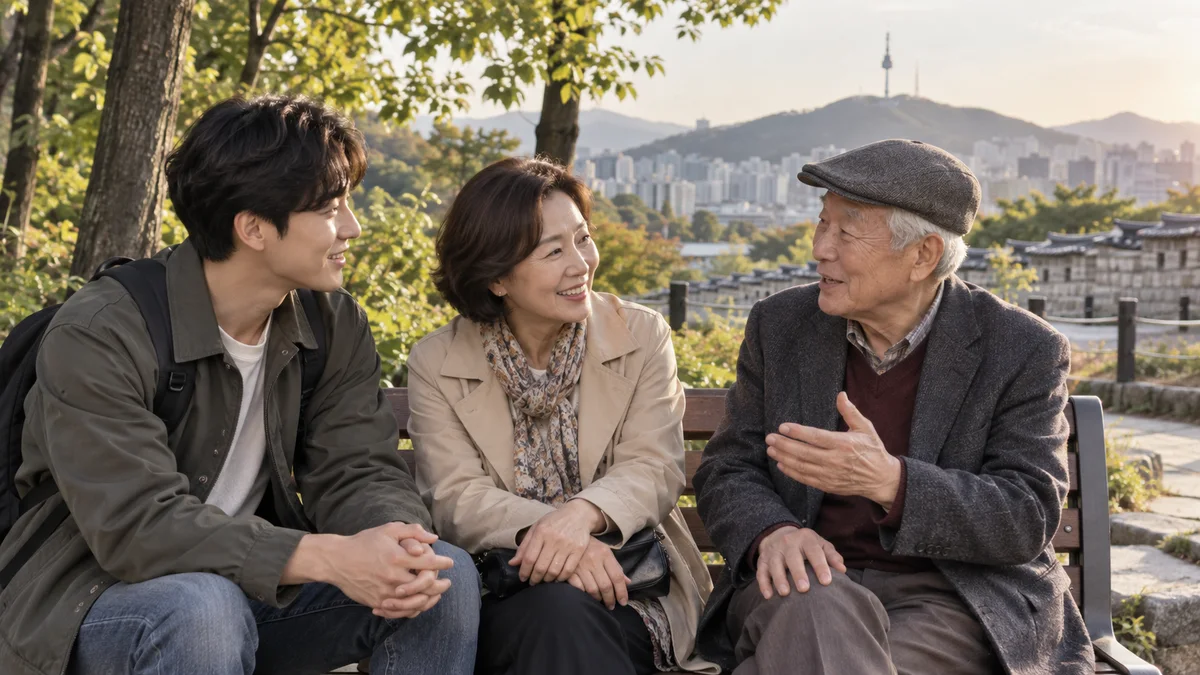
Within your first week in Korea, someone friendly will ask how old you are — possibly before asking your name. Nothing has gone wrong. You've just brushed against the operating system underneath Korean social life, and it's genuinely one of the most interesting things about the country.
The short version
Korean grammar encodes respect. Speaking to someone older, senior or unfamiliar uses different verb endings (존댓말, jondaetmal — polite speech) than speaking to friends or juniors (반말, banmal — casual speech). To pick correctly, Koreans need one data point fast: relative age. Hence the question.
How it actually works
The language has gears. The same sentence — "did you eat?" — shifts form depending on who's listening: 식사하셨어요? to an elder, 밥 먹었어? to a friend. Using the casual gear with the wrong person isn't just informal; it can read as disrespect. Age (plus seniority and closeness) determines the gear.
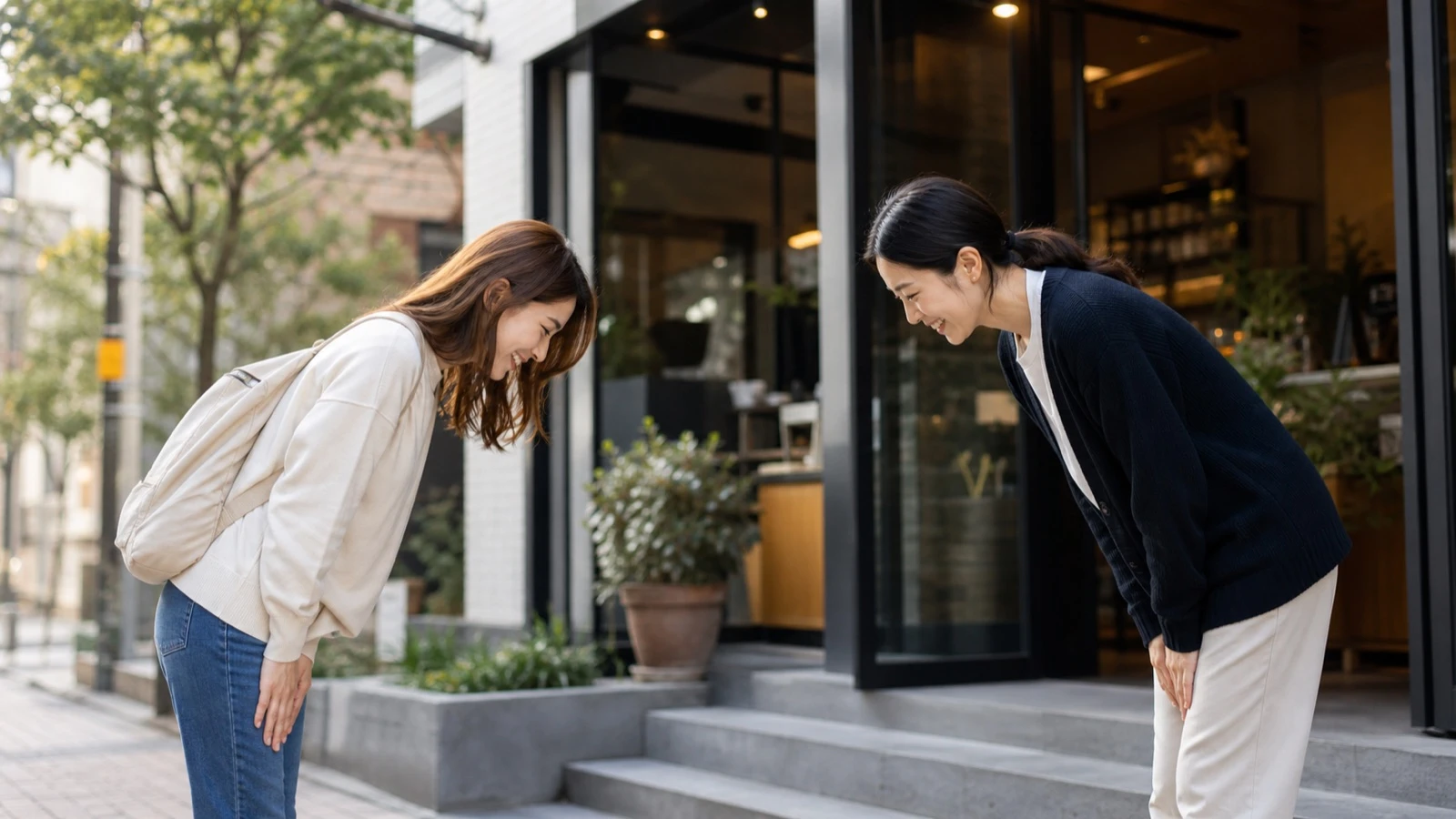
Age creates roles, not rankings. A one-year gap can decide who's unnie/hyung (with mild duties: paying more often, giving advice) and who's the dongsaeng (younger one, licensed to be looked after). These are warm relationships, not hierarchies of merit — many Koreans describe the comfort of knowing exactly where they stand.
The 2023 law change. Korea historically juggled multiple age systems — including "Korean age," where you were born at age one and everyone aged together on January 1. In June 2023 the law standardized on international age for legal and administrative purposes. Socially, you'll still occasionally hear people give both numbers, and same-birth-year friendship culture (동갑, donggap — instant friend-eligibility) is fully intact.
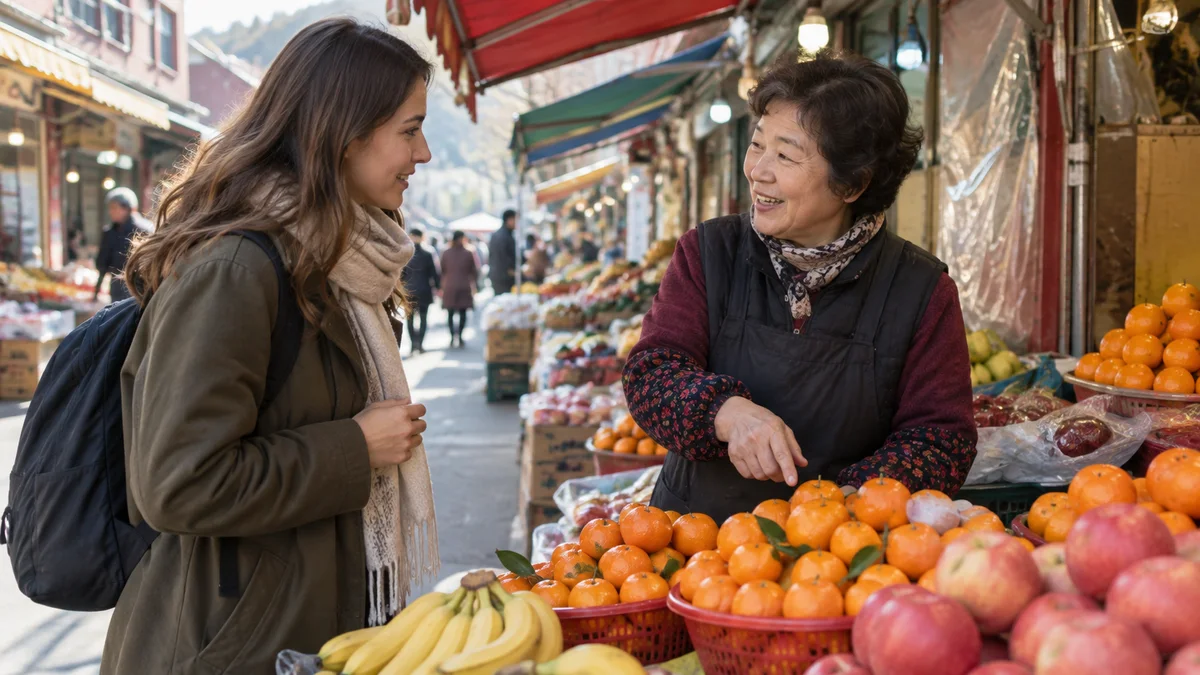
Titles beat names. Adults rarely address non-intimates by bare first name. The workplace runs on titles; shops run on 사장님 (sajangnim, "boss" — the friendly default for any owner) and 이모님 (imonim, "auntie" — affectionate for restaurant staff of a certain warmth). Attaching -씨 (-ssi) to a full or given name (Minji-ssi) is the neutral polite move.
Common misconceptions
- "They're judging me by my age." They're configuring grammar and social roles. Post-configuration, the friendliness typically increases.
- "Oppa is romantic." It's an older-brother term that dramas eroticized; in real life it's mostly literal or friendly. Context does the work.
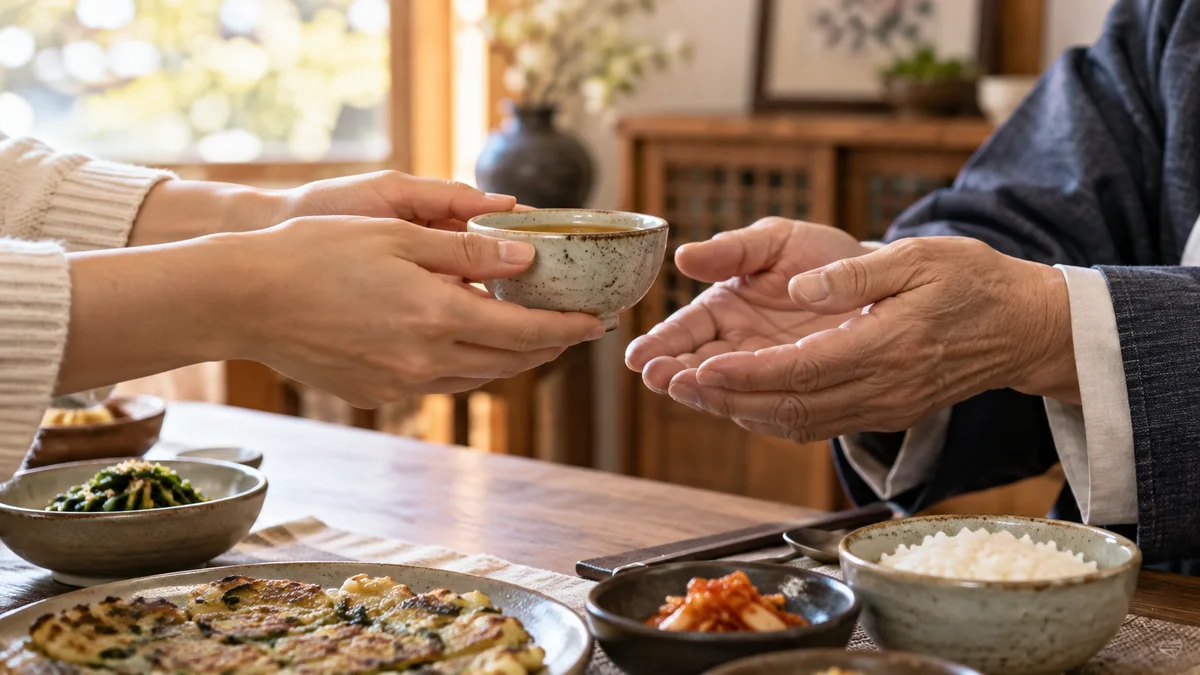
- "As a foreigner I'm outside the system." Half-true and useful: you get a permanent grace pass on grammar, but showing awareness — two-handed pours to elders, not banmal-ing a grandmother via translation app — earns outsized affection. See etiquette basics for the practical set.
- "I should subtract a year from what Koreans tell me." Since the 2023 standardization, assume international age unless someone explicitly says otherwise — and if numbers seem inconsistent, just ask their birth year, which is what Koreans do among themselves anyway.
What locals do
Establish birth years within minutes ("몇 년생이세요?" — what year were you born?), celebrate discovering a donggap, glide between speech levels mid-conversation as relationships warm, and argue about whether their friend group's hyung should pay again (he should, and he wants to — the dynamics are explained over Korean BBQ better than any article).
Good to know
When you answer the age question, give your birth year — it's unambiguous and instantly maps you into the system. And enjoy the moment that follows: watching someone recalculate your entire relationship in real time, then brighten and say "아, 그럼 제가 언니네요!" ("oh, then I'm your unnie!") is peak Korea.
Official age rules and everyday conversation
The government’s June 2023 explanation says the full-year age system took effect on June 28, while identifying exceptions including school entrance, military conscription and alcohol or tobacco eligibility. The reform does not mean every age-related rule or social habit changed at once. Check the rule relevant to your task.
Our editor’s advice: start politely with unfamiliar people and ask how they prefer to be addressed. An age question can help establish social context, but nobody has to disclose information they are uncomfortable sharing. People and relationships vary; treat the examples above as context rather than a script every Korean follows.
Frequently asked questions
›Someone asked my age five minutes after meeting me. Was that rude?
By Korean logic it was polite — they're trying to place you so they can speak to you correctly and know whether to call you unnie, hyung, or by name. Answer casually and feel free to ask theirs back; the exchange usually lands with visible relief on both sides.
›Do I need to use honorifics as a foreigner?
No one expects grammatical honorifics from a visitor — the polite-form phrases in any phrasebook (annyeong-haseyo, gamsahamnida) are already the safe, respectful register. The one practical rule: don't address strangers or elders by bare first name; titles or a simple nod-plus-greeting do the work.
›What do unnie, oppa, noona and hyung actually mean?
They're sibling terms used for slightly-older people you're close to: women say unnie (older female) and oppa (older male); men say noona (older female) and hyung (older male). They signal warmth, not romance — despite what K-dramas did to 'oppa.' Wait to be invited into them; defaulting to names-plus-ssi or just politeness is always safe.
Sources and updates
Last edited on October 12, 2026. Sources support the specific details discussed in the guide; check the provider for current prices, availability and eligibility.