Korean Cafe Culture: Unwritten Rules and How to Order
Explore Korean café culture, from coffee and dessert stops to seating and laptop policies, with practical tips for checking each shop’s own rules.
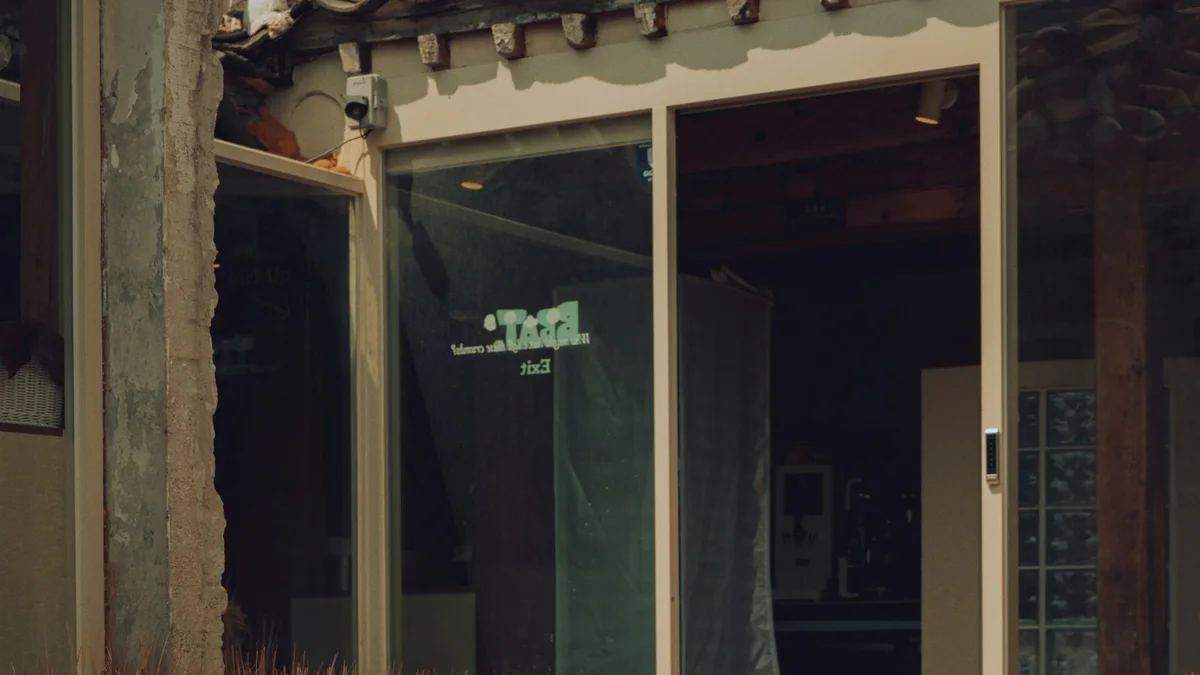
Cafés can be a pleasant pause between sightseeing stops: somewhere to meet a friend, try a dessert or spend time over coffee. The atmosphere and service differ from shop to shop. A little attention to the entrance signs and menu makes a first visit easier.
Start with the shop’s own instructions
Cafés in Korea range from small roasteries and dessert shops to chains and venues with table service. Check whether to order or find a seat first. Drink minimums, pickup signals and tray returns vary by branch.
For the full sequence, use our first-timer’s guide to ordering at a Korean café. It covers counters, kiosks, hot or iced choices, pickup and useful phrases.
Staying for coffee
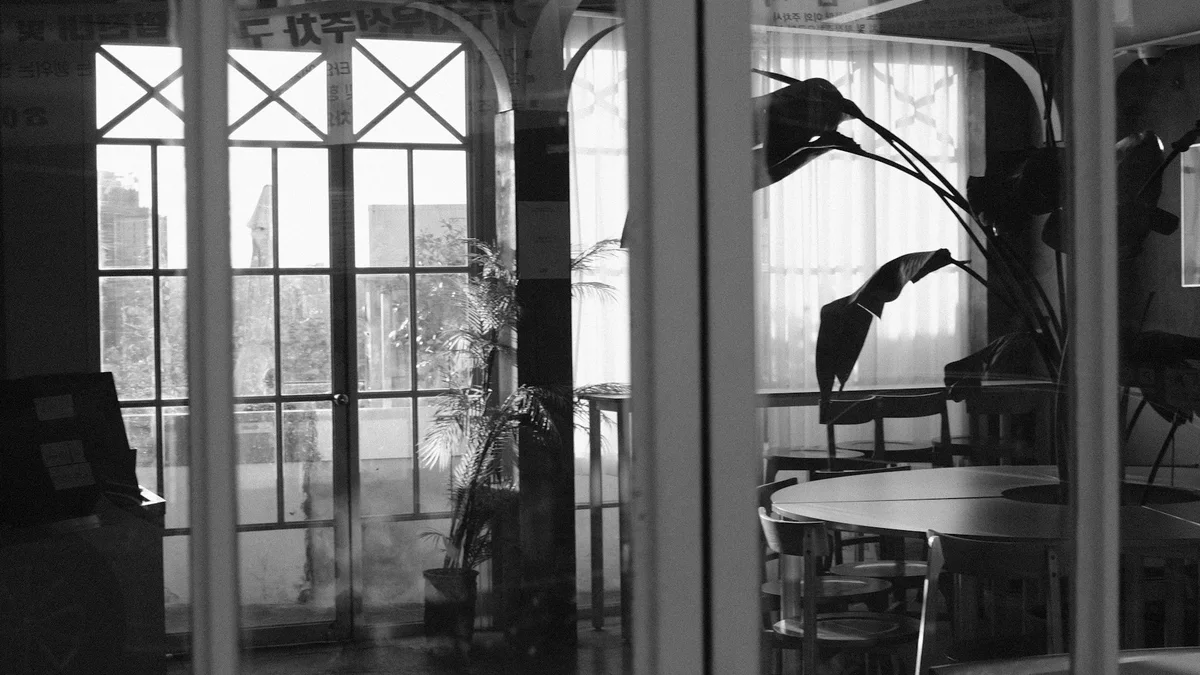
If a sign asks each guest to order a drink, check whether a dessert counts before ordering. Ask about laptop use and seating limits before planning a long session. Keep your valuables with you, including when leaving the table briefly.
Tell staff whether your order is for here or to go before they prepare it. The café may use a mug, glass or other reusable cup for dine-in service; ask before changing your plan after ordering.
Pickup and leaving
A café may call a name or number, issue a pager, or bring your drink to the table. Follow the signal staff explain. If you receive a pager, return it when directed, often at pickup.
Use a return station if provided. Follow the labels for cups, waste and leftover liquid; if the arrangement is unclear, ask staff. Some table-service cafés clear the table for you.
What it costs
Compare the posted menu before ordering. Prices depend on the drink, size, extras and café; a signature drink or dessert can change the total considerably. Check any seating-related minimum before choosing what to buy.
Planning a visit
Check the exact branch, opening time and last order before making a special trip. Map listings are useful starting points, but a café’s own recent announcements and staff can clarify changed hours.
For ideas near the park, see our Seoul Forest and Seongsu café selection. Choose a place for its menu and atmosphere, then check its current seating and ordering instructions.
Good to know
Wi-Fi, outlets and restroom access are not guaranteed. A password or access code may be on a receipt or sign, or staff may need to help. Check these details before settling in. Our essential phrases can help with simple questions.
Frequently asked questions
›Why are there SO many cafes in Korea?
Cafés offer places to meet, read, work or try coffee and desserts. Their role and atmosphere vary: a small specialty shop and a large study-friendly café can have very different expectations.
›Is it really okay to study or work in a cafe all day?
Check the café’s posted policy or ask staff before settling in for work. Some welcome laptops; others restrict devices, seating duration or particular zones. Ordering another drink does not automatically extend a time limit.
›What is an iced Americano?
An iced Americano combines espresso, water and ice. Ask for 아이스 아메리카노 주세요 (aiseu amerikano juseyo). Portion sizes, prices and coffee strength depend on the café.