First Korean Jjimjilbang? What to Wear and What Happens Inside
First time at a Korean jjimjilbang? Learn the two zones, what to wear where, bath etiquette, how payment keys work, and what to pack before you go.
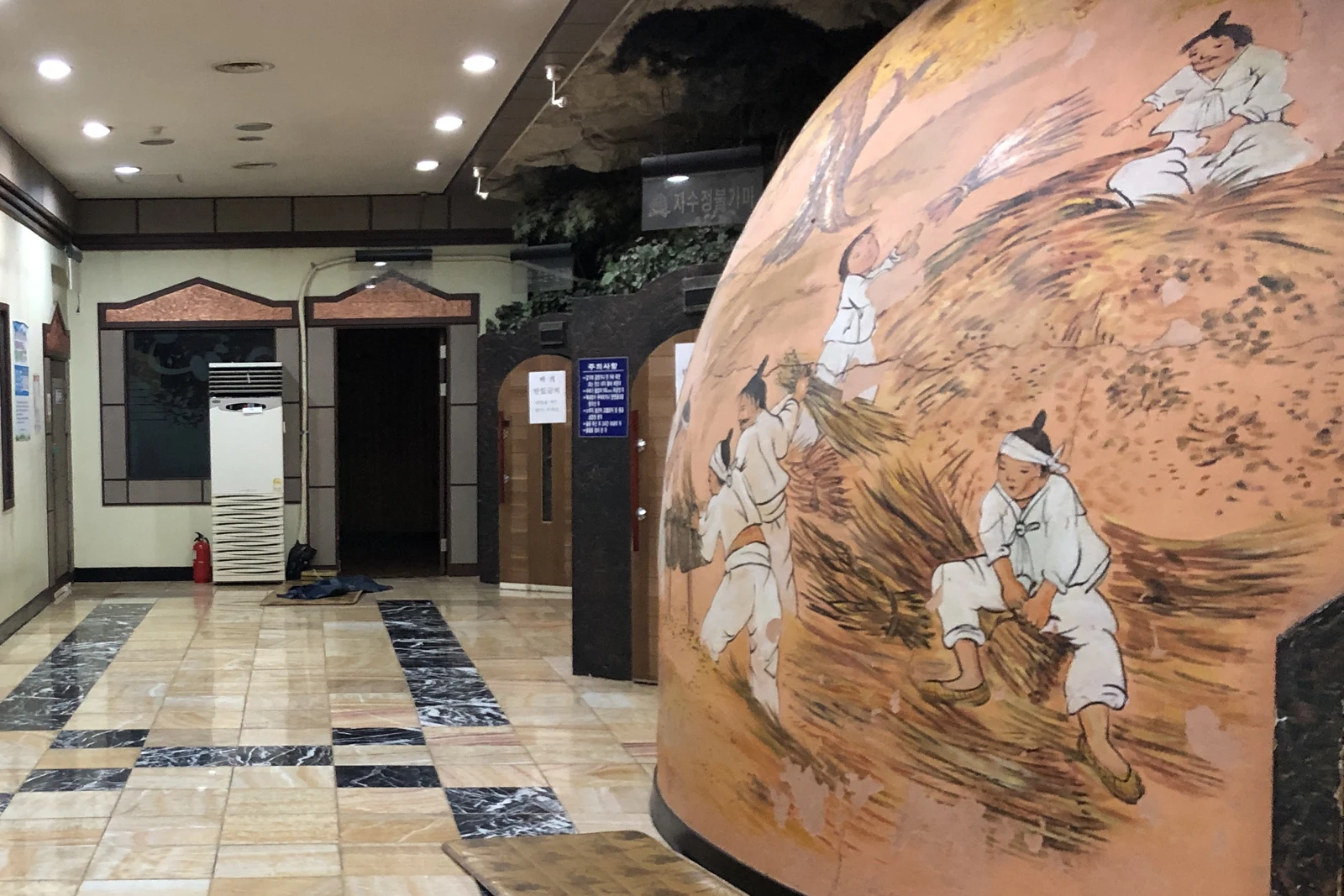
Your first jjimjilbang (찜질방, jjimjilbang, a Korean bathhouse with heated rest rooms) can feel confusing for about ten minutes, mostly because the layout isn't explained at the door. Once you know there are usually two zones with two different dress codes, the rest falls into place. Here's what typically happens, what to wear where, and what to check with your venue, because facilities differ.
The two zones at a glance
Most places follow a similar pattern. Treat this as the usual setup, then follow the signs where you are.
| Bath and changing area | Shared jjimjil area | |
|---|---|---|
| Who's there | Separated by gender | Mixed, often families |
| What you wear | Usually nothing | Usually the shirt and shorts provided |
| Phones | Stored in your locker | Follow venue rules; photography may be prohibited |
| What happens | Showering, soaking, optional scrub | Heated rooms, resting, snacks |
Water parks, where a venue has one, are separate again: swimsuits belong there, not in the baths.
What happens when you arrive
At the counter you pay or receive a key, wristband or ticket, often linked to a locker. Many places hand you sauna clothes (찜질복, jjimjilbok) and sometimes towels. Ask rather than guess: 수건 있어요? (Sugeon isseoyo?, Do you have towels?)
You'll usually store your shoes first, then go into the gender-separated changing room (탈의실, taruisil), undress and lock your things away. Don't assume you can walk straight to the clothed area in street clothes. At many venues the route runs through the changing room, sometimes past the showers, so if that matters to you, ask about the access route before you pay.
Bath zone etiquette
This is the part first-timers worry about most, and the rules are simple:
- Shower thoroughly and rinse off all soap before entering any pool.
- Tie up long hair so it stays out of the water.
- Keep towels out of the communal pools.
- Leave your phone in the locker. Cameras don't belong in changing or bath areas.
- A body scrub (세신, sesin) is an optional paid service. Ask the price first: 얼마예요? (Eolmayeyo?, How much is it?)
Most people are there to wash and unwind, and polite indifference is the norm.
The jjimjil zone: heat, rest and quiet
Dressed in the sauna clothes, you can usually move into the shared area: heated rooms at different temperatures, floor space for lying down, often a snack counter. Keep your voice low, don't spread across other people's space, and take phone calls somewhere else.
The heat isn't an endurance test. Step out, drink water and rest whenever you feel uncomfortable. For the wider manners that apply here too, see our Korean etiquette basics.
How paying usually works: one operator's example
Larger venues often let you charge extras to your key and pay on the way out. Aquafield is a useful example, not a universal rule. Its settlement page describes a One-Key system: extras bought inside go on your key, and you settle before leaving, even if you bought nothing. After settling, you can't re-enter.
Aquafield's usage policy also prohibits photos and video in locker rooms and sauna areas, restricts entry for intoxicated guests, says shared shower towels aren't provided, and requires swimwear-material clothing in the water park. Other venues handle these points their own way, so read the rules where you go.
Not every jjimjilbang is open all night
It's easy to assume every jjimjilbang is a 24-hour place to sleep. Spa Land in Busan, for example, lists a four-hour base time and a 22:00 closing time on its official page. Overnight options, tattoo policies and age rules vary, so check your exact facility rather than relying on any general guide, including this one. Useful question: 몇 시간 이용할 수 있어요? (Myeot sigan iyonghal su isseoyo?, How many hours can I stay?)
What to pack and plan
- Small travel toiletries and a hair tie
- Clean underwear for afterwards
- A small bag for damp items
- Fewer valuables, and a plan to lock up what you do bring
- A meeting point with friends outside the gender-separated areas, such as the lobby or the shared lounge
- Questions for the counter: how much time is included, how extra charges are paid, whether towels are included
Recheck hours and rules shortly before your trip, since venues update them.
If you'd rather stay clothed
That's a fair preference, and you don't have to force yourself through something uncomfortable. Some venues have water parks or swimsuit zones with their own changing rules. Ask at the counter how the route to each area works before paying, then choose the place that fits your comfort level. Even if you skip the baths this time, you'll know the layout for next time.
Frequently asked questions
›Do I have to be naked in a jjimjilbang?
In the gender-separated bath and changing areas, being unclothed is the usual norm. The shared jjimjil area is clothed, usually in a shirt and shorts the venue provides. At many venues the route to the shared area passes through the changing room, so if you'd prefer to stay clothed, ask staff about the access route before you pay.
›Can I sleep overnight at a jjimjilbang?
Some venues allow overnight stays, but not all. Spa Land in Busan, for example, lists a four-hour base time and a 22:00 closing time. Check your exact facility's hours, time limits and age rules before planning a night there.
›Is the body scrub included in the entry price?
Usually not. A scrub (세신, sesin) is generally an optional paid service, so ask the price first. At venues with a key-charge system, such as Aquafield, extras go on your key and you settle before leaving.
›Can I take photos inside a jjimjilbang?
Never in changing, locker or bath areas. Aquafield's policy, for example, prohibits photos and video in locker rooms and sauna areas. Elsewhere in a venue, follow posted signs and ask staff before photographing anything.