Is the KORAIL Pass Worth It? Compare Your Actual Journeys Before Buying
Compare the KORAIL Pass with individual tickets using your actual journeys, covered travel days, seat reservations and separate local transport costs.
Start with your itinerary, not the pass
Write down the journeys you would take even without a pass. Include the actual departure and arrival stations, the date and a realistic time window. A vague plan to “travel around Korea” is not enough to compare costs.
Separate the essential journeys from optional ones. If the comparison only works after adding a day trip you do not particularly want, the saving may be creating more travel rather than supporting your holiday.
Our KTX booking guide helps with the booking basics. Check seats at the times that fit your plans before deciding which payment method to use.
What the official page currently lists
The KORAIL Pass information page, checked on 19 November 2026, lists select-day options for 2, 3, 4 or 5 days within ten days. Adult prices shown are 131,000, 186,000, 234,000 and 275,000 KRW, respectively. The pass is for foreign visitors; SRT, metropolitan rail and temporary tourist trains are excluded. The page describes seat reservations opening a month before departure, up to two reserved tickets per person per day. It asks passengers to carry their passport, pass and any seat reservation, and says a ticket screenshot is invalid. Reconfirm prices, eligibility and terms in the official booking flow before purchase.
Those facts establish the product to compare. Your own dates and ticket quotes determine whether it fits.
Compare three common trip patterns
This table describes how to make the decision. It does not quote current fares for a particular train.
| Trip pattern | What to compare | Likely deciding factor |
|---|---|---|
| Seoul–Busan return | Two actual ticket quotes against a pass covering both travel dates | Whether those two fares exceed the appropriate pass price |
| Several intercity journeys | Every eligible leg, grouped by calendar date | Enough covered travel within the validity window |
| Mostly Seoul sightseeing | Your limited intercity travel, if any | City subway journeys do not add value to this pass |
Do the arithmetic with like-for-like quotes
Use the same passengers, class and dates on both sides. Include any extra charges you would actually pay, and keep transport not covered by the pass outside the saving calculation.
For a hypothetical calculation, suppose your eligible individual tickets total 120,000 KRW and the pass you are considering costs 131,000 KRW. Individual tickets would cost 11,000 KRW less. These are example numbers, not a quoted Seoul–Busan fare. Replace them with your own current booking results.
Now imagine your plans change. Remove a cancelled leg from the total and compare again. A pass that looked useful for a busy itinerary may be poor value after you choose a slower holiday.
If a bus is also practical, compare it separately using our KTX versus express bus guide. Saving money is only useful if the journey still suits the time and comfort you need.
Count travel dates carefully
Count the dates on which you use eligible trains, not the number of nights away or cities visited. Put the first and last proposed travel dates on a calendar so that the validity window is easy to see.
Leave sightseeing days out of the train-use count when you have no covered journey planned. Do not add a train ride simply to make a purchased pass feel worthwhile. It may be better to leave a free day in your itinerary.
Keep a separate note for connections between your hotel and station. Those costs can matter to the overall trip even when they do not change the pass-versus-ticket result.

Seats are a separate decision
Buying travel rights and securing the departure you want are different tasks. Check the actual reservation result, passenger details and service time before assuming your journey is arranged.
If a train is full, consider another departure or adjust your plans through the official booking service. A tightly timed hotel check-in, activity or airport connection deserves a confirmed travel plan rather than an assumption about last-minute availability.
Check refund and change conditions before paying, particularly if your itinerary may change. Keep the booking reference and use the operator's valid ticket display when travelling. If you cannot load your ticket, ask the operator how to resolve it before boarding.
Keep city transport separate
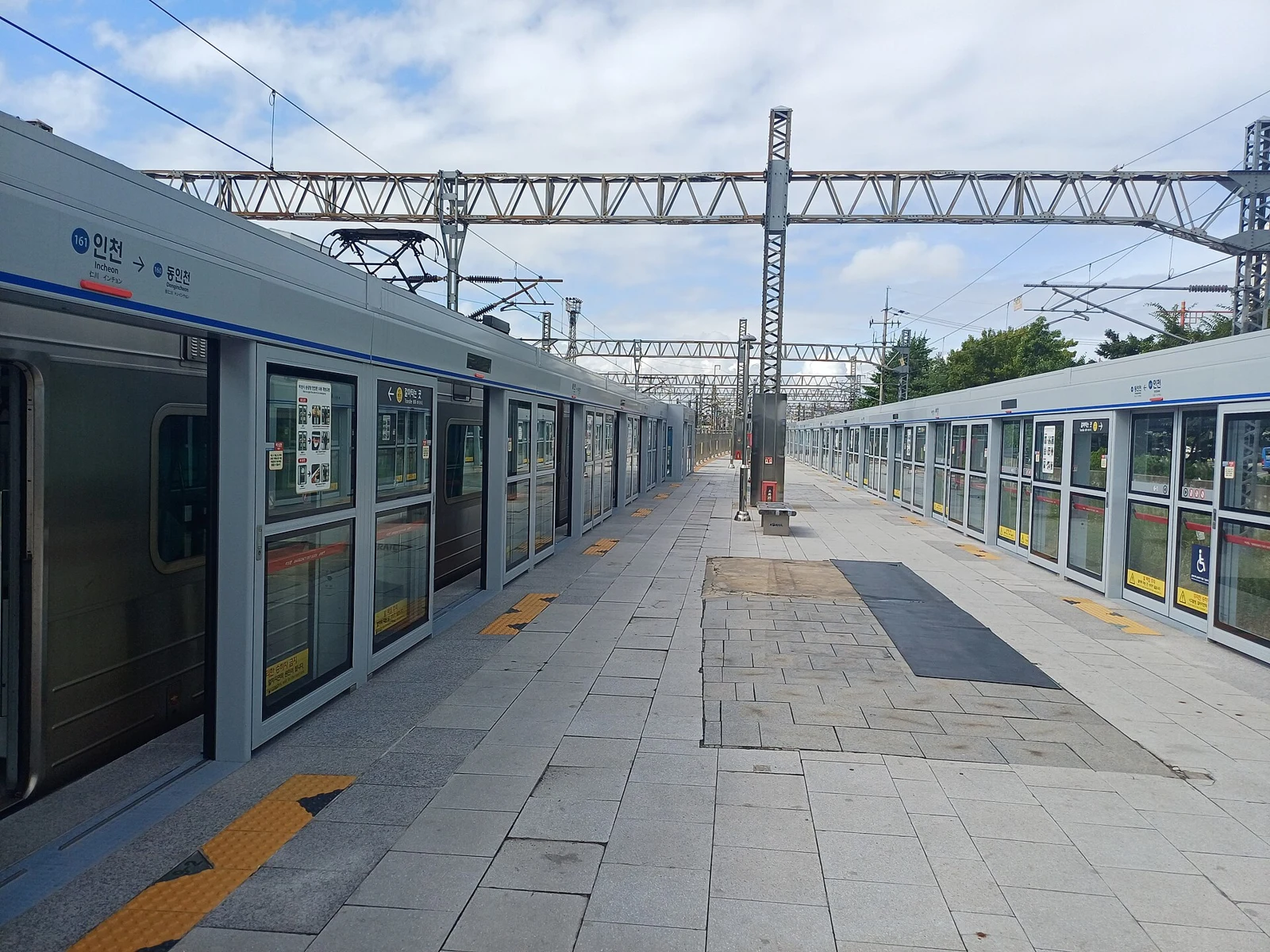
The station photograph below shows metropolitan rail at Incheon Station, not an included KORAIL Pass journey. Plan your local transport budget separately, including transfers needed to reach intercity stations.
After comparing, keep a simple record of why you chose the pass or individual tickets. A list of dates, trains and totals is enough. That makes it easier to reassess if you later change a city or departure day.
Frequently asked questions
›Is the KORAIL Pass always cheaper than two KTX tickets?
No. Compare the current individual-ticket total for your actual trains with the pass needed for those travel dates.
›Can I use it for the Seoul subway or SRT?
The official information excludes metropolitan rail and SRT. Keep those journeys outside your covered-ticket calculation.
›Does buying a pass reserve my seat?
No. Complete the seat-reservation process separately and check the result for your chosen departure.
›Should I buy a pass before deciding my route?
Decide the journeys first. An itinerary with dates and current ticket quotes gives you a much clearer comparison.
Sources and updates
Last edited on November 19, 2026. Sources support the specific details discussed in the guide; check the provider for current prices, availability and eligibility.