Part-Time Work Rules for International Students in Korea
How D-2 and D-4 students legally work part-time in Korea — the permit, weekly hour limits, TOPIK requirements, allowed jobs and the risks of skipping it.

Here's the sentence that saves you from the most common visa mistake international students make in Korea: your student visa does not include the right to work — a separate permit does, and it has to be approved before your first shift. Korean immigration polices this more seriously than most students expect, and the price of getting it wrong is paid at your next visa extension, exactly when you can least afford problems.
The system is called 시간제취업허가 (siganje chwieop heoga) — the part-time work permit. Here's how it works as of late 2026.
Who can apply, and when
D-2 degree students (bachelor's through doctorate) are eligible once enrolled — most universities also require you to have completed your first semester and to be in decent academic standing. D-4 language students have a waiting period: you generally become eligible only after six months of study in Korea, with attendance requirements attached. Fresh arrivals at language institutes planning to fund term two with café work need to budget for that gap.
Exchange students' eligibility depends on their program; ask your international office before assuming anything.
The hour limits — and why TOPIK is money
The weekly ceilings depend on your program level and your proven Korean ability, and the gap is big enough to plan your life around:
- D-2 undergraduates who meet the Korean-language benchmark for their year (TOPIK or KIIP levels — the required level scales as you advance): generally up to 25 hours per week on weekdays, with weekends and official vacation periods treated more generously.
- Graduate students meeting the benchmark: a higher weekday ceiling, commonly up to 30 hours.
- Anyone below the language benchmark: the cap drops sharply — to roughly 10 hours a week for undergraduates. Same visa, same tuition, less than half the earning ceiling.
Two students in the same class can therefore have completely different legal work lives, purely on TOPIK scores. If part-time income matters to your budget, treat the TOPIK fee as an investment with a triple return: work hours now, F-2-7 residency points later, and better job applications always.
The exact benchmark tables get tweaked periodically, so confirm your specific combination on HiKorea or with your international office rather than a classmate's memory of last year's rules.
What jobs are (and aren't) allowed
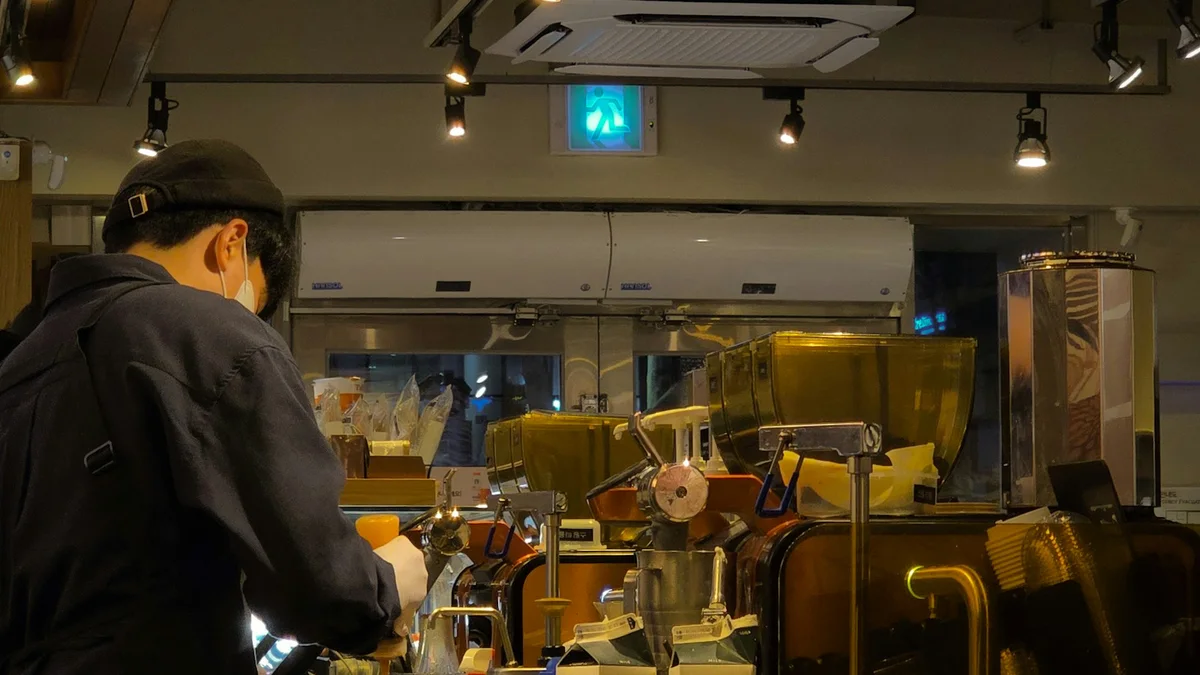
The permitted list covers the jobs students actually want: cafés, restaurants, convenience stores, retail, office and administrative work, translation assistance, and research assistant roles connected to your studies.
The prohibited list is where people stumble:
- Nightlife and adult-entertainment venues — categorically off-limits.
- Delivery riding, parcel work and designated-driver (대리운전) gigs — restricted, despite being the most advertised flexible work in Korea.
- Manufacturing/factory work — generally restricted, with exceptions tied to high Korean proficiency.
- Private cash tutoring — the quiet trap; see the FAQ below.
And the structural rule: the permit names your specific employer. Working anywhere not on your permit — including a second job you didn't add — counts as unauthorized work even if your hours are under the cap.
How to apply
The order of operations trips people up, so: job first, permit second, work third.
- Get hired (conditionally). You need the employer's details — business registration, workplace address, your role and hours — for the application. Decent employers in student-heavy neighborhoods know this dance well; an employer who shrugs at the permit is telling you something about how they'll handle your pay, too.
- University sign-off. Your international student office confirms your enrollment and standing — this is also where attendance problems surface.
- File the application with the employer's documents, your enrollment and language-score evidence — via HiKorea's e-application or at your immigration office.
- Wait for approval, then start. Not before. The permit runs alongside your sojourn period, and changing workplaces means updating it.
Once you're working, you'll want a Korean bank account for wages, and it's worth knowing that legal student workers are covered by Korea's minimum wage — check the current rate, as it rises most years, and count your paid breaks. Employers who pay cash "to keep it simple" are usually keeping something else simple, too.
What happens if you skip all this
Unauthorized work is one of the most commonly caught student violations — surfacing through workplace inspections, tax records, tip-offs, and extension reviews. Consequences scale from fines through denied extensions to, for repeat or flagrant cases, cancelled status and departure orders. The permit process, by contrast, costs a few documents and a couple of weeks.
Korea genuinely wants students to be able to work — the system has loosened over the years, not tightened. It just insists on the paperwork. File it, frame your first pay stub if you like, and spend your earnings properly: our convenience store guide and cafe culture explainer cover the two places student wages traditionally evaporate.
Cover photo by Manki Kim, used under the Unsplash License. In-article photo by park ingyeom, used under the Unsplash License.
Frequently asked questions
›How do I actually apply for the student work permit?
Sequence matters: find the job first, because the application names your specific employer and workplace. Then get your university's international office to sign off, and submit the permit application with your employer's business registration details — through HiKorea's e-application or at your immigration office. Approval must arrive before you start working. Changing jobs means a new permit for the new workplace.
›What jobs can international students legally do in Korea?
The classic student jobs are all in bounds: cafés, restaurants, convenience stores, retail, office assistant roles, translation help and campus research assistant positions. Off-limits regardless of permit: nightlife and adult-entertainment venues, delivery riding and designated-driver work, and anything the permit doesn't name. Manufacturing work is restricted and generally requires higher Korean proficiency.
›Can I tutor English privately for cash as a student?
Private paid tutoring outside an authorized workplace is one of the most common ways students break the rules without realizing it — one-on-one lessons for cash generally fall outside what a student work permit covers, and enforcement is real because it competes with visa-sponsored teachers. If you want to teach, do it through an employer named on your permit, or wait until you hold a visa that allows teaching.
›Does TOPIK really change how many hours I can work?
Yes, dramatically. The permit system ties your weekly ceiling to proof of Korean ability — TOPIK or KIIP level benchmarks scaled to your program year. Meet the benchmark and an undergraduate gets the full allowance (up to 25 weekday hours); miss it and the cap can fall to around 10 hours. If you're planning to fund life partly through part-time work, a TOPIK score is one of the highest-paying tests you'll ever take.
Sources and updates
Last edited on October 8, 2026. Sources support the specific details discussed in the guide; check the provider for current prices, availability and eligibility.