Korean Snacks to Bring Home: Supermarket and Convenience-Store Souvenirs
Choose packaged Korean snack souvenirs, compare portability and labels, and plan your shopping budget and packing without guessing customs rules.
How to choose snacks that travel well
The best snack souvenirs aren’t necessarily the most famous ones. They’re the ones that still look and taste good after a long trip in your suitcase. Before you buy, check:
-
Packaging: factory-sealed and with the original label, ideally in individual wrappers
-
Shape: flat or solid items hold up better than airy, fragile ones
-
Shelf life: read the date on the pack you’re holding, because dates differ between products and batches
-
Ingredients: allergens vary from product to product, even within one brand
This guide covers packaged snacks to take home. For hot food to eat during your trip, see our Korean winter street food guide.
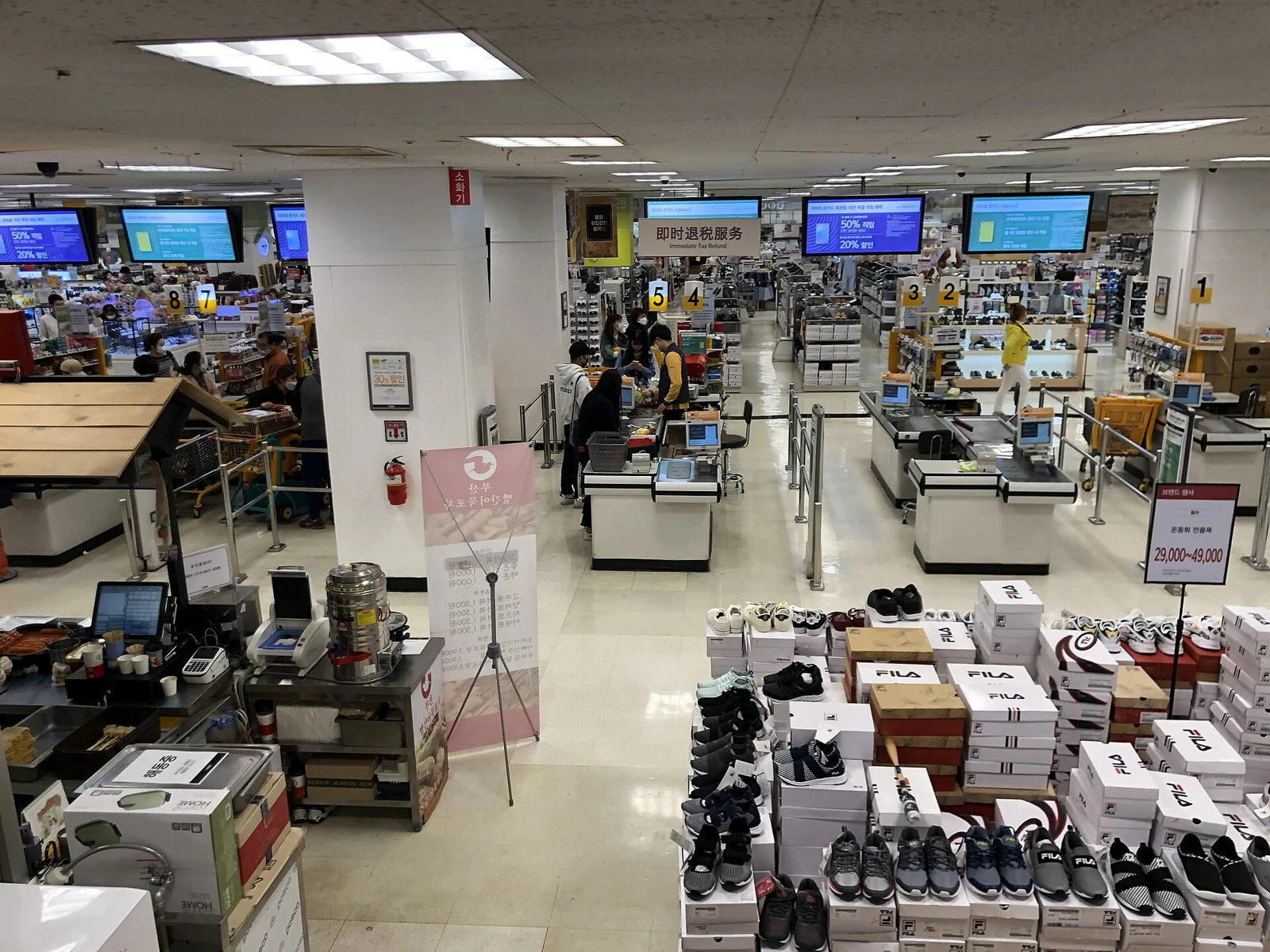
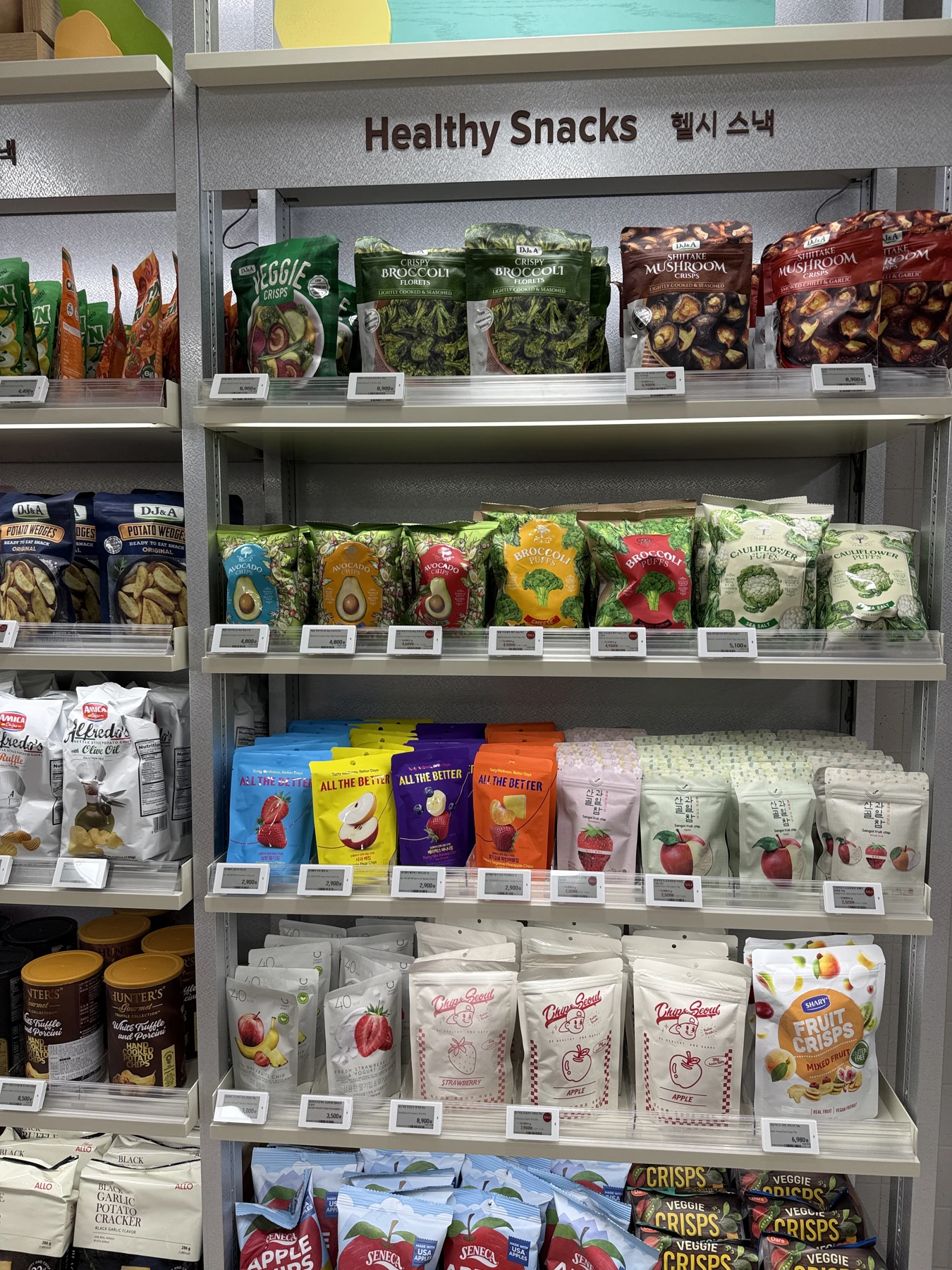
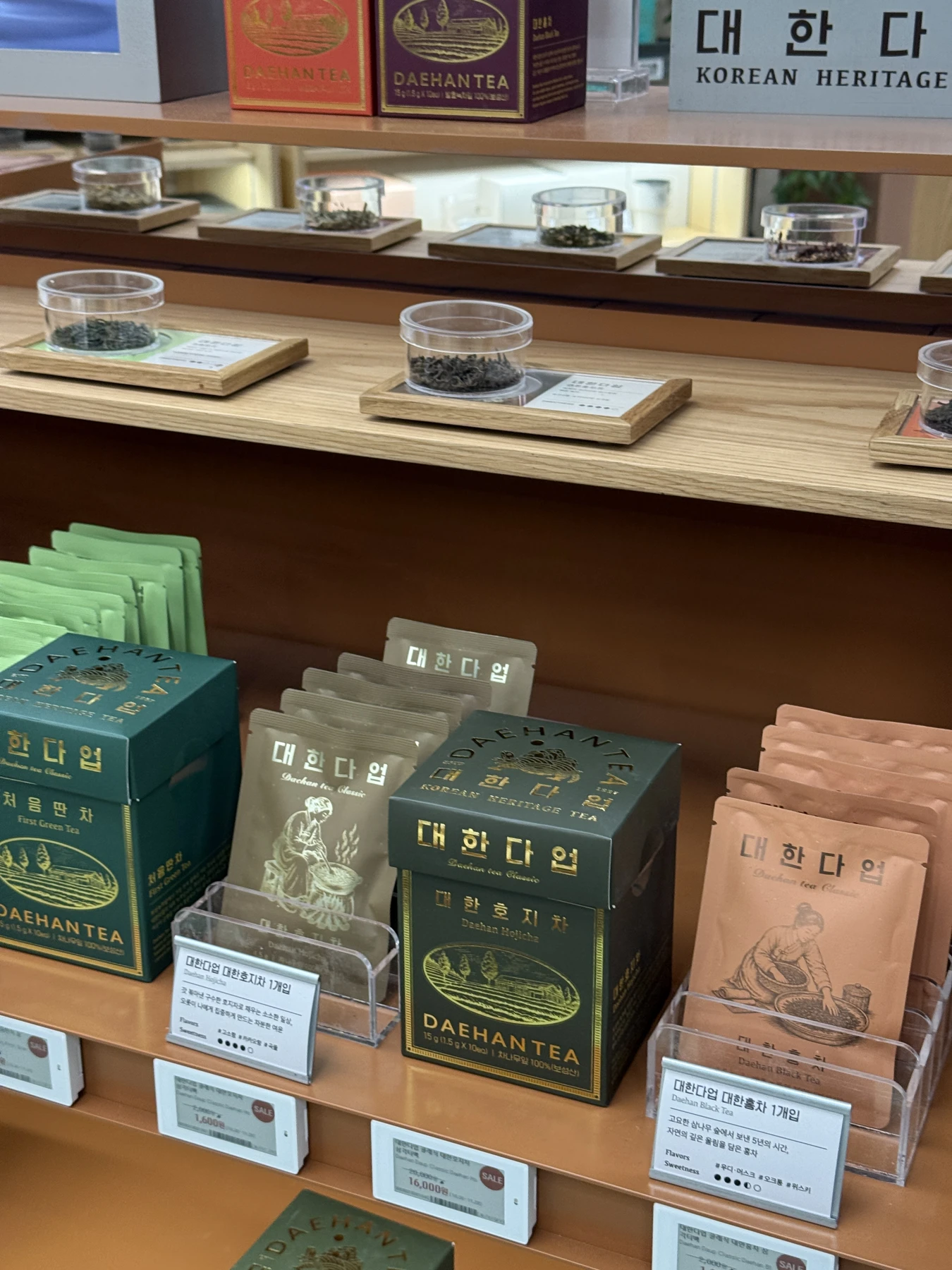
The shop photographs illustrate selection and label-checking. They include imported brands and are not a claim that every pictured product is Korean-made or currently stocked. Check country of origin when choosing a Korean souvenir.
Six good choices
1. Sealed seasoned seaweed (gim)
Seoul’s official 2026 visitor guidebook lists seaweed among popular souvenirs. It’s light and flat, and multipacks are easy to share. Seasoned versions usually contain oil and salt, and some contain other ingredients, so read the label. Seaweed crushes easily, so pack it in a firm spot.
2. Yakgwa
Yakgwa is a traditional Korean honey cookie, and Korea’s official tourism site describes regional styles. Individually wrapped yakgwa make tidy gifts. Wheat is a common ingredient, so check the allergen panel on each package.
3. Chocolate-coated biscuit sticks
Familiar and easy to give out. The boxes protect the sticks better than soft bags. Chocolate can soften in heat, and these products often contain milk, wheat and soy. Some contain nuts.
4. Rice crackers
Rice crackers are usually light, and some are individually wrapped. Rice doesn’t make a product allergen-free, though. Seasonings can include soy, wheat or seafood, so check each product.
5. Fruit chips
Dried or crisp fruit chips weigh little. Be aware that words like “natural” or “healthy” on the pack are marketing, not a guarantee. Check the sugar, the oil and whether the product is fried. Also make sure fruit-based products are allowed into your home country.
6. Tea
Dry teas, such as tea bags or loose grain teas, pack flat and keep well. Jarred fruit teas are usually thick, syrupy preserves. In carry-on bags they can fall under airline liquid and gel limits, and some destinations restrict them. Checking them in or choosing dry tea is often simpler.
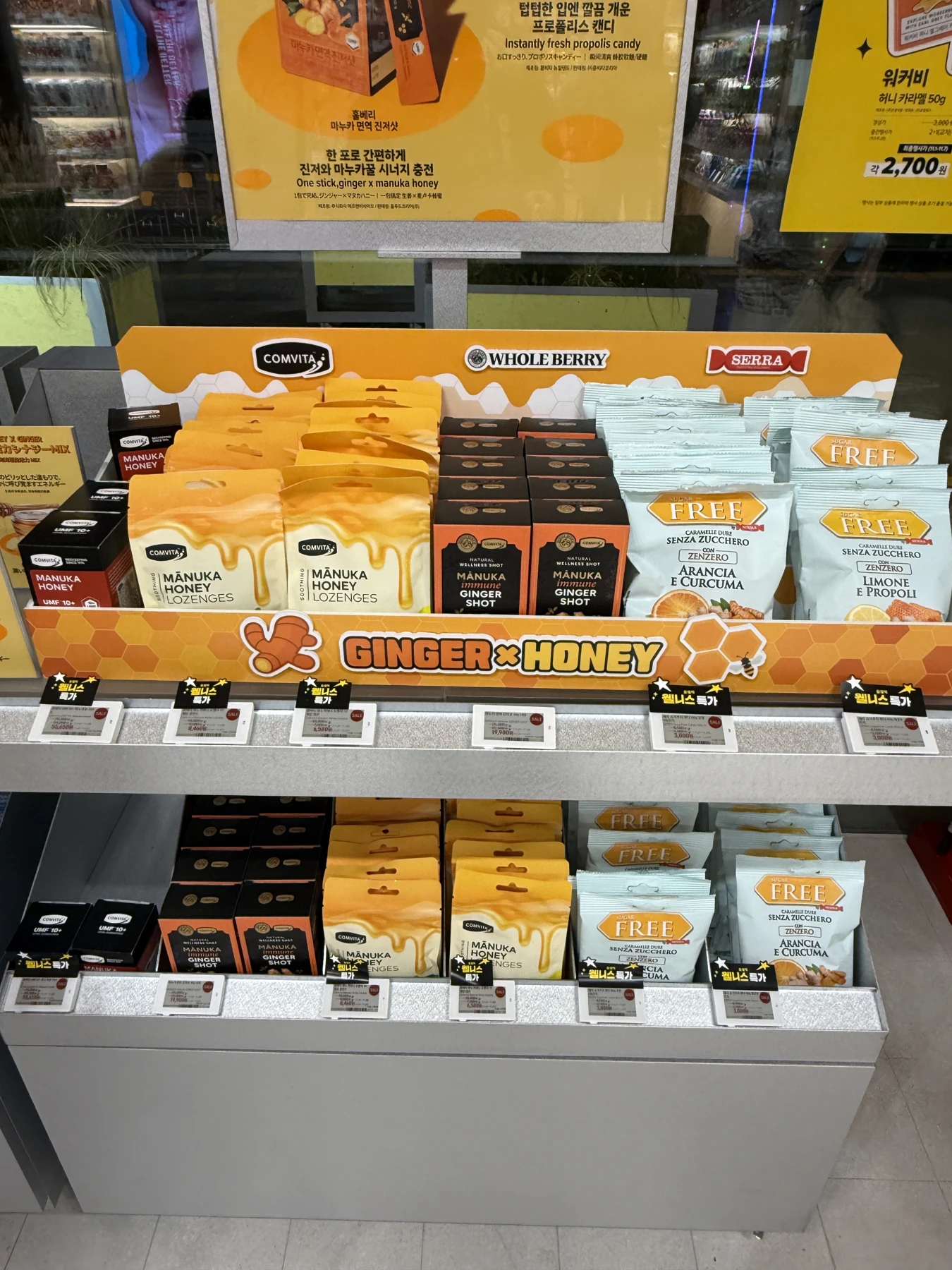
Comparison table
| Snack | Portability | Crush risk | Allergen checks (examples, not complete) | Watch for |
|---|---|---|---|---|
| Sealed seaweed | Very light | Medium–high | Possible seafood/shellfish cross-contact; check oils | Use a firm spot in your bag |
| Yakgwa | Good | Low–medium | Wheat; check others | Best-before date on the pack |
| Chocolate biscuit sticks | Good (boxed) | Medium | Milk, wheat, soy; sometimes nuts | Melts in heat |
| Rice crackers | Light | Medium | Soy, wheat, seafood seasonings vary | Read every flavor’s label |
| Fruit chips | Very light | Medium–high | Varies; check oils and additives | Destination fruit-product rules |
| Dry tea | Very light | Low | Check every blend and flavor | Jarred teas may count as liquids or gels |
Allergens commonly worth checking include nuts, milk, egg, wheat, soy and seafood. Every product is different, so read each package.
A sample souvenir basket
This is a hypothetical example, not a price survey. Say you set aside ₩20,000 for snacks to share at home. Choose from the following shortlist after checking shelf prices; this is not a promise that all five items fit that amount:
-
one multipack of seaweed for the family
-
a few individually wrapped yakgwa for coworkers
-
one box of chocolate biscuit sticks
-
one bag of rice crackers or fruit chips
-
one box of dry tea
Real shelf prices differ by store, size and promotion, so check them when you shop. Look at the unit price, too. A multipack isn’t always cheaper per piece than single packs, and a “1+1” deal only saves money if you’ll actually use the extra. Our Daiso Korea souvenirs page has non-food gift ideas to fill out the rest of your list, and Olive Better in Seongsu covers a different kind of shopping stop.
Packing and customs
-
Keep original seals and labels. Customs officers and allergic friends both depend on them.
-
Pack crushable items in the middle of your bag, surrounded by clothes.
-
Liquids and gels follow airline and airport security rules as well as your destination’s rules.
-
Customs rules depend on where you’re going. Every country sets its own food import rules. Before you fly, check your destination’s official customs or agriculture authority, especially for anything containing meat, fruit, dairy or seeds. Declare food when the rules require it. Nobody can promise that a particular snack will be accepted everywhere.
Official sources
-
Seoul 2026 visitor guidebook (souvenirs, including seaweed and instant foods): Seoul official 2026 visitor guide
-
VisitKorea: yakgwa and regional examples: VISITKOREA — regional gifts and yakgwa
Frequently asked questions
›Are convenience-store snacks useful souvenirs?
They are convenient for buying small packs to try. Compare a supermarket’s multipacks before buying for a group, and check each package’s date and ingredients.
›Can I take Korean seaweed into every country?
Check the destination’s official customs or agriculture guidance. Food import rules differ, including for processed products, and you should declare food when required.
›Does a healthy-snack label guarantee a better choice?
No. Compare the nutrition and ingredient panels on the exact product. Packaging claims do not settle allergens, sugar content or whether something suits your needs.
›How long will packaged Korean snacks keep?
Use the date and storage instructions on the actual package. Shelf life varies by product and batch; avoid assuming a souvenir will last until an event months away.
Sources and updates
Last edited on November 13, 2026. Sources support the specific details discussed in the guide; check the provider for current prices, availability and eligibility.